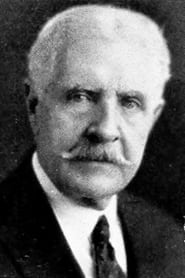
Charles A. Stevenson
Actor
- Active
- 1929-1929
Films 1
About Charles A. Stevenson
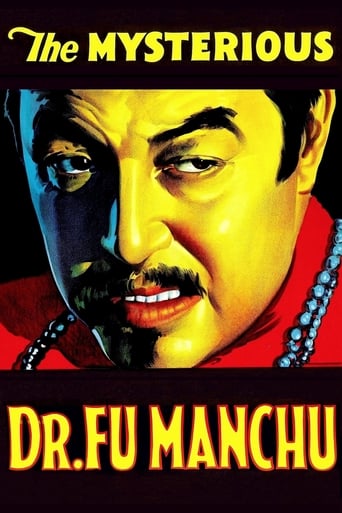
Charles A. Stevenson was a British-born character actor of the silent and early sound eras whose screen career appears to have been brief and largely concentrated in the late 1920s. He is best remembered for his appearance in the early talkie production The Mysterious Dr. Fu Manchu (1929), a film that helped introduce sound-era audiences to one of popular fiction's most enduring villains. Available records suggest that Stevenson worked primarily as a supporting player rather than a marquee star, a common path for many seasoned stage or character actors who moved into motion pictures during the transition from silent cinema to sound. Because documentation on him is limited, his broader life story and complete filmography are not well preserved in widely accessible reference sources, which is not unusual for minor performers of the period. His credit in a high-profile genre film indicates that he was active during a particularly volatile moment in film history, when studios were rapidly recasting and redefining performers for the new demands of synchronized sound. Stevenson’s surviving screen legacy is therefore tied less to celebrity than to the kind of dependable, anonymous craftsmanship that supported many early studio productions. He remains a representative figure of the many actors whose work helped build classic cinema even when their names were not widely publicized.
More about Charles A. Stevenson
On screen
No detailed contemporary acting analysis of Charles A. Stevenson appears to survive in standard reference sources. Based on the type of roles typically assigned to supporting character players in late-1920s sound films, his screen approach was likely restrained, functional, and geared toward clear dramatic delivery rather than star-driven display. In early talkies, actors were often valued for diction, composure, and the ability to fit into ensemble scenes, and Stevenson’s work should be understood within that practical studio context. There is not enough verified evidence to attribute a distinctive signature technique beyond his contribution as a reliable character actor.
In film history
Charles A. Stevenson's cultural impact is modest but historically meaningful as part of the supporting cast labor that sustained early film production. Even performers with only a single surviving credit contributed to the texture and credibility of studio-era filmmaking, especially in transitional works like The Mysterious Dr. Fu Manchu, where performances had to adjust to the new demands of sound. His presence in a notable early talkie connects him to the broader shift in screen acting from silent-era expressiveness to more verbally driven performance. While he was not a major star, his career reflects the countless working actors whose contributions shaped the everyday reality of classic cinema.
Later reputation
Stevenson's legacy lies primarily in his place within the historical record of early sound film rather than in celebrity status. For film historians, actors like him are important because they document the breadth of personnel active during one of cinema's most transformative periods. His credited appearance in a 1929 production ensures that his name remains attached to the emergence of sound-era genre filmmaking. In that sense, his legacy is archival and historical: he stands as one of the many performers whose work helped bridge silent cinema and the talkies, even if only a fragment of that work is now visible.
Influence
There is no verified evidence that Charles A. Stevenson directly influenced major stars or filmmakers in a documented way. His influence, if any, would have been indirect, through participation in the ensemble traditions of studio filmmaking and the professional standards expected of supporting actors in early sound pictures. Performers like Stevenson helped normalize the acting style and production discipline that later actors inherited from the transitional era. His broader influence is therefore best understood as part of the collective foundation of classic film performance rather than as an individually traceable impact.
Off screen
Little reliably documented information survives about Charles A. Stevenson's personal life in widely available film references. No well-established public record of marriages, children, residence history, or biographical anecdotes is readily available from standard classic-cinema sources. This lack of documentation is common for early supporting actors whose careers were short or whose work was not extensively publicized by the studios. As a result, his private life remains largely unknown to modern researchers.
Credits
- Appeared in the early sound-era production The Mysterious Dr. Fu Manchu (1929)
- Worked during the crucial transition from silent films to talkies
- Represented the type of dependable supporting performer commonly cast in genre cinema of the late 1920s
- His surviving screen credit places him within one of the better-known early sound serial-adjacent mystery and crime properties of the period
Roles
- Supporting role in The Mysterious Dr. Fu Manchu (1929)
Films
- The Mysterious Dr. Fu Manchu (1929)
Notes
- Charles A. Stevenson is associated in surviving film records primarily with one known screen credit.
- He worked during the pivotal transition year of 1929, when Hollywood was rapidly adopting synchronized sound.
- His credited appearance is in a film based on the Fu Manchu character, one of the most famous figures in pulp and screen villainy.
- Because his surviving record is sparse, he is representative of many classic-era actors whose careers are only partially preserved.
- His name may be easily confused with other historical figures of similar names, but his film credit identifies him specifically as a screen actor.
- The lack of detailed biographical data suggests he was likely a working character performer rather than a major studio contract star.
- His filmography, as currently documented in accessible sources, appears extremely limited.
Questions
Who was Charles A. Stevenson?
Charles A. Stevenson was a British actor active in the late silent/early sound period of cinema. He is chiefly remembered for a supporting credit in The Mysterious Dr. Fu Manchu (1929).
What films is Charles A. Stevenson best known for?
He is best known for The Mysterious Dr. Fu Manchu (1929), which appears to be his principal surviving screen credit. No broader, well-documented list of major film appearances is readily available in standard reference sources.
When was Charles A. Stevenson born and when did he die?
His birth and death dates are not readily verifiable from accessible classic-film references, so they remain unknown. Likewise, his birth and death places are not clearly documented in the available record.
What awards did Charles A. Stevenson win?
No awards or formal honors are documented for Charles A. Stevenson in the available historical record. He appears to have been a working supporting actor rather than a recipient of major industry recognition.
What was Charles A. Stevenson's acting style?
There is no surviving detailed critical profile of his technique, but his work would have been shaped by the demands of early sound cinema. Supporting actors of that period were generally expected to project clarity, composure, and reliable dramatic presence.
What is Charles A. Stevenson's legacy in film history?
His legacy is primarily historical and archival, representing the many lesser-known performers who supported the transition from silent films to talkies. Even with limited surviving documentation, his name remains connected to an important early sound-era feature.