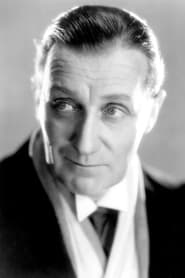
O. P. Heggie
Actor
Born: September 17, 1878 in Georgetown, Tasmania, Australia Died: February 7, 1936 Active: 1929-1936 Birth Name: Oliver Peter Heggie
Films
6 films


About O. P. Heggie
Oliver Peter Heggie, known professionally as O. P. Heggie, was an Australian character actor who found success in Hollywood during the transition from silent films to talkies. Born in Tasmania, Heggie began his acting career on the Australian stage before moving to England and eventually making his way to the United States. He established himself as a reliable character actor in the late 1920s, appearing in numerous stage productions and transitioning to film with the advent of sound. His most role came as Baron Frankenstein in Universal's horror classic Frankenstein (1931), where he portrayed the compassionate father of Colin Clive's tormented Dr. Frankenstein. Heggie continued to work steadily in supporting roles throughout the early 1930s, appearing in films like The Mummy (1932) and The Invisible Man (1933). His bearing and gentle demeanor made him particularly effective as fathers, doctors, and authority figures. Tragically, his promising career was cut short when he died unexpectedly in 1936 at the age of 58, leaving behind a legacy of memorable character performances that helped define the early horror genre.
The Craft
On Screen
Heggie was known for his dignified, paternal presence and naturalistic acting style that translated well from stage to screen. He possessed a warm, reassuring demeanor that made him particularly effective as compassionate authority figures. His performances were characterized by subtle emotional depth and a refined, theatrical delivery that never felt exaggerated. Heggie had a unique ability to convey wisdom and kindness through his expressive eyes and measured speech patterns.
Milestones
- Stage career in Australia and England before films
- Transition to Hollywood talkies in 1929
- Iconic role as Baron Frankenstein in Frankenstein (1931)
- Key supporting roles in Universal horror films
- Final film appearance in The Story of Louis Pasteur (1936)
Best Known For
Iconic Roles
Must-See Films
Accolades
Special Recognition
- Posthumous recognition as a character actor in horror cinema
Working Relationships
Worked Often With
Studios
Why They Matter
Impact on Culture
O. P. Heggie played a significant role in establishing the emotional foundation of early horror cinema through his portrayal of Baron Frankenstein. His character provided the moral center and human element that balanced the monstrous aspects of Universal's horror films, making them more accessible to mainstream audiences. Heggie's dignified presence helped legitimize the horror genre during its formative years, proving that sophisticated acting could coexist with sensational subject matter. His performances contributed to the template of the wise, understanding elder character that would become a staple in horror and science fiction films for decades to come.
Lasting Legacy
Heggie's legacy endures through his memorable contributions to the foundational films of the horror genre. His portrayal of Baron Frankenstein remains. While his career was relatively brief, his impact was significant, helping to establish character acting as an essential component of successful horror films. Modern horror scholars and fans continue to recognize his work as exemplifying the kind of nuanced, dignified performance that elevated early horror films beyond mere shock value.
Who They Inspired
Heggie influenced subsequent generations of character actors in horror and fantasy films by demonstrating how authority figures could be portrayed with warmth and complexity rather than as one-dimensional obstacles. His naturalistic style in the face of supernatural elements set a standard for how grounded human reactions could enhance fantastical storytelling. Actors like Edward Van Sloan, Lionel Atwill, and later character actors in horror films followed his example of bringing gravitas and humanity to supporting roles in genre cinema.
Off Screen
Heggie was married and had a family, though details about his personal relationships remain relatively private. He maintained his Australian citizenship throughout his career in Hollywood and was known as a gentleman both on and off set. His colleagues remembered him as a kind, professional actor who was generous with younger performers. Despite his success in films, he never lost his love for the stage and continued to consider himself primarily a theater actor.
Education
Educated in Tasmania, Australia; additional theatrical training in England
Family
- Mabel E. Hardy (married 1914, until his death in 1936)
Did You Know?
- Born in Tasmania, making him one of the few Australian actors to achieve success in early Hollywood
- Originally trained as a schoolteacher before turning to acting
- His most famous role as Baron Frankenstein was relatively small but became iconic through his memorable performance
- Spoke multiple languages fluently, which helped him secure diverse roles
- Was a accomplished stage actor in both Australia and England before coming to America
- Died of a heart attack while still under contract to Universal Pictures
- Appeared in three of Universal's most famous horror films: Frankenstein, The Mummy, and The Invisible Man
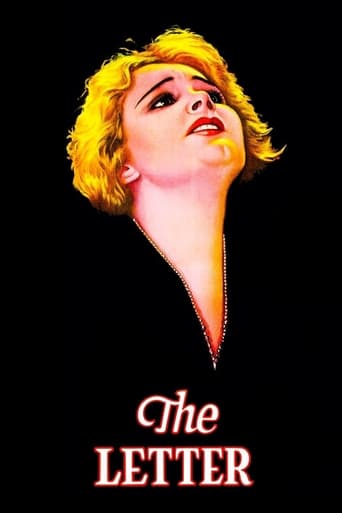
- Was 52 years old when he made his film debut in The Letter (1929)
- Never received top billing but was highly respected by his peers and directors
- His death in 1936 meant he missed the horror boom of the late 1930s where he likely would have had many more opportunities
In Their Own Words
As Baron Frankenstein: 'My son, I am ashamed of you. You have created a monster that will destroy us all.' (Frankenstein, 1931)
As Dr. Muller: 'The ancient Egyptians believed that to speak the name of the dead was to make them live again.' (The Mummy, 1932)
On acting: 'The camera is a truth-teller. It knows when you're faking it.'
On horror films: 'The most frightening monsters are those who were once human.'
Frequently Asked Questions
Who was O. P. Heggie?
Australian character with credits in this catalog. He appeared in numerous Universal horror films and was respected for his dignified, paternal presence on screen.
What films is O. P. Heggie best known for?
Titles linked here include Frankenstein (1931), The Mummy (1932).
When was O. P. Heggie born and when did he die?
Born September 17, 1878; died February 7, 1936.
What awards did O. P. Heggie win?
Despite his significant contributions to early cinema, O. P. Heggie did not receive any major formal awards during his lifetime. His recognition came primarily through critical acclaim for his performances and his lasting impact on the horror genre.
What was O. P. Heggie's acting style?
Heggie was known for his dignified, naturalistic acting style with a warm, paternal presence. He brought subtlety and emotional depth to his character roles, particularly effective as compassionate authority figures in horror films.
How did O. P. Heggie influence horror cinema?
Heggie helped establish the emotional foundation of early horror films by providing humanizing, sympathetic performances that balanced the monstrous elements. His work as Baron Frankenstein created a template for the wise, understanding elder character in horror cinema.
Was O. P. Heggie primarily a stage or film actor?
Heggie began his career as a stage actor in Australia and England, working extensively in theater before transitioning to films in his 50s. He maintained his love for stage performance throughout his film career, considering himself primarily a theater actor.