1916 · Approximately 20 minutes

Also available on: Archive.org
The Bandit's Wager

The Bandit's Wager

1916 Approximately 20 minutes United States
Frontier courtship and resistanceOutlaw bravado versus personal honorGender dynamics and consentMoral testing in the Western frontierFamily protection

Plot

After a brother and sister head West in search of a new life, they encounter the rough frontier world that was a common setting for early American Westerns. The sister becomes the focus of attention for a bandit whose pursuit is framed less as outright violence than as a calculating, boastful wager about his ability to win her affection. He makes a bet that, given time and the right circumstances, she will eventually kiss him voluntarily, without any coercion from him. The situation builds tension as the woman resists his advances and the brother is forced to confront the threat posed by the outlaw. The story resolves in the moralized, fast-moving fashion typical of 1910s Western shorts, with the bandit’s confidence and arrogance tested by the woman’s resolve and the frontier code of honor.

About the Production

Release Date 1916
Production Universal Film Manufacturing Company
Filmed In California, USA

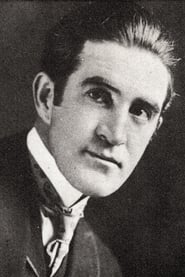
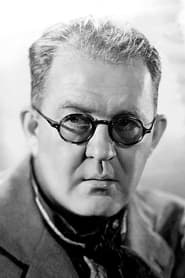
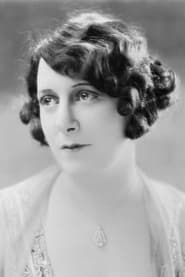
The Bandit's Wager was made as a short silent Western during the prolific mid-1910s output associated with Francis Ford and Universal's busy release schedule. Like many films of the period, it was produced quickly and economically, relying on outdoor locations, compact storytelling, and a small company of recurring performers rather than elaborate sets or large-scale production values. Francis Ford frequently worked in front of and behind the camera, and the presence of John Ford and Grace Cunard reflects the close repertory-style collaborations common in early studio filmmaking. Surviving documentation on the film is limited, so precise production details such as budget, shooting schedule, and exact filming sites are not securely recorded in most modern reference sources.

Historical Background

The Bandit's Wager was made in 1916, a transitional moment for American cinema and for the Western genre. The film industry was rapidly expanding toward feature-length storytelling, but shorts still remained central to theatrical programs, especially for studios like Universal that specialized in frequent releases. In the United States, 1916 also fell within the broader Progressive Era, with social attitudes toward gender, lawlessness, and frontier identity still strongly reflected in popular entertainment. Westerns of this period helped mythologize the American frontier as a place where personal honor, individual courage, and moral order were tested against outlaws and disorder. The film matters historically because it sits within the early professional environment that helped form the careers of Francis Ford, John Ford, and Grace Cunard, all of whom would become important names in silent-era cinema.

Why This Film Matters

Although not a widely known surviving classic, The Bandit's Wager is culturally significant as a representative example of the early silent Western and as a link in the formative chain of American film history. It captures the transitional moment when the Western was evolving from a short melodramatic ride-and-chase picture into a more durable cinematic genre with recognizable conventions and star personalities. The film is also notable for the early screen presence of John Ford, whose later work would define the visual language of the Western for decades. Grace Cunard's role underscores the substantial, though often under-credited, place of women in early action cinema as leads, co-creators, and embodiments of frontier resilience. As a historical artifact, it reflects the genre’s early treatment of courtship, consent, and masculine bravado in ways that are revealing to modern viewers studying silent-era social attitudes.

Making Of

The Bandit's Wager was produced during a period when Francis Ford was working intensely in the silent Western field and was often associated with quick-turnaround films made for Universal. These productions depended on efficient staging, outdoor photography, and a small stock company of performers who could move rapidly from one project to the next. John Ford's appearance is notable because it places him in the orbit of the genre and production culture that would later shape his own directing style, even though he was still early in his career. Grace Cunard's involvement is equally significant, since she was not only a performer but also a major creative presence in early silent filmmaking, frequently contributing to story construction and character-driven action roles. Specific behind-the-scenes anecdotes are not well preserved, but the film clearly belongs to the kind of practical, modestly budgeted studio Westerns that relied on efficient storytelling and familiar genre archetypes.

Visual Style

As a silent 1916 Western, the film would have relied on straightforward, functional cinematography designed to keep action readable and expressive. Outdoor photography was central to the genre, with open landscapes, horseback movement, and physical staging used to communicate both danger and freedom. Early Western camerawork typically favored fixed or lightly mobile setups, medium-long framing, and crisp compositions that allowed actors' gestures and chase action to remain clear without synchronized sound. The visual style likely emphasized contrast between the rugged male outlaw world and the more vulnerable domestic or moral space occupied by the sister character. Even without surviving detailed shot analysis, the film can be understood as part of the visual tradition that helped establish the frontier as an iconic cinematic space.

Innovations

The film does not appear to be associated with any major technical innovation, but it is representative of early professional Western filmmaking at Universal. Its significance lies in the efficient use of silent-era storytelling tools: concise dramatic setup, clear visual conflict, outdoor action, and strong character types that could be understood quickly by audiences. The production also demonstrates the industry’s early refinement of short-form narrative cinema, where filmmakers had to communicate plot and emotional stakes with minimal intertitles and compact scene construction. In that sense, its technique is important as part of the genre’s maturation rather than as a standalone technical breakthrough.

Music

As a silent film, The Bandit's Wager would have been shown with live musical accompaniment in theaters, typically provided by a pianist, organist, or small ensemble depending on the venue. No original score is known to survive with the film in documented form. Music for screenings would likely have been improvised or compiled from stock cue sheets common to the era, using action, romance, and suspense motifs to support the narrative. Specific modern soundtrack information is unavailable.

Memorable Scenes

  • The bandit openly frames his pursuit of the heroine as a wager, turning courtship into a contest of will and pride.
  • The sister’s repeated resistance to the bandit’s advances serves as the emotional center of the film’s conflict.
  • The frontier confrontation between the brother and the outlaw embodies the genre’s mix of family loyalty, danger, and moral reckoning.

Did You Know?

  • The film was directed by Francis Ford, an important early Western filmmaker and the elder brother of John Ford.
  • John Ford appears in the cast before becoming one of the most influential directors in American cinema.
  • Grace Cunard was one of the best-known female action stars and screenwriters of the silent era, often playing resourceful heroines in Westerns and serials.
  • The film belongs to the compact one-reel or short-length Western tradition that dominated much of the 1910s market.
  • Early Universal Westerns often emphasized rapid action, moral conflict, and frontier melodrama rather than realism, and this film fits that pattern.
  • The surviving plot description highlights a wager centered on a woman’s consent, a concept that reflects the gender attitudes and melodramatic structures of early cinema.
  • Because many silent-era shorts were poorly cataloged or lost, this title is far less documented than later feature Westerns by Francis Ford or John Ford.
  • The film is an example of the collaborative, family-based film culture that helped shape the Ford brothers' early careers.
  • Silent Westerns like this one frequently used open landscapes and horseback action to convey danger and romance with minimal intertitles.
  • The Bandit's Wager is a reminder that many early Westerns were built around short, self-contained scenarios rather than the longer narrative arcs audiences associate with the genre today.

What Critics Said

Contemporary critical response to The Bandit's Wager is not well preserved in easily accessible modern sources, which is common for short silent films from the 1910s. It was likely received as a routine but appealing program Western, designed to deliver action, romance, and clear moral conflict to theater audiences. Modern historians tend to value it less for individual artistic distinction than for its place within Francis Ford's output, Universal's early production history, and the development of John Ford's screen career. Because the film is obscure and documentation is sparse, current critical discussion is mostly archival and contextual rather than based on widely circulated reviews. Any modern assessment would likely emphasize its interest as an early Western artifact rather than as a major achievement on its own terms.

What Audiences Thought

Audience reception at the time is not extensively documented, but films of this type were generally popular as short attractions in mixed theatrical programs. Early Western audiences tended to enjoy the genre's blend of danger, romance, outdoor action, and clear-cut conflict, and The Bandit's Wager would have fit comfortably into that expectation. Its appeal likely came from its brisk pacing, familiar outlaw-versus-honor premise, and the star recognition of Francis Ford and Grace Cunard among moviegoers familiar with Universal's regular releases. Today, audiences usually encounter it, if at all, as a curiosity for silent-cinema enthusiasts, Ford family historians, or archivists interested in lost and fragmentary early Westerns.

Film Connections

Influenced By

  • Early American frontier melodramas
  • One-reel Western shorts of the 1910s
  • Dime-novel and popular pulp Western traditions

This Film Influenced

  • Later Universal Western shorts
  • The silent Western output associated with the Ford brothers
  • Early outlaw-romance Westerns

Film Restoration

Preservation status is uncertain in widely available sources; the film appears to be poorly documented and may be incomplete or effectively lost in circulating archives. No widely cited restored print or complete modern home-video release is known.

Themes & Topics