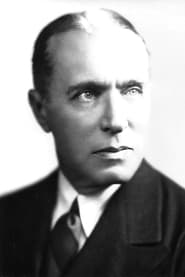
Frank Elliott
Actor
Born: February 11, 1880 in London, England Died: November 9, 1954 Active: 1915-1928
Films
2 films
About Frank Elliott
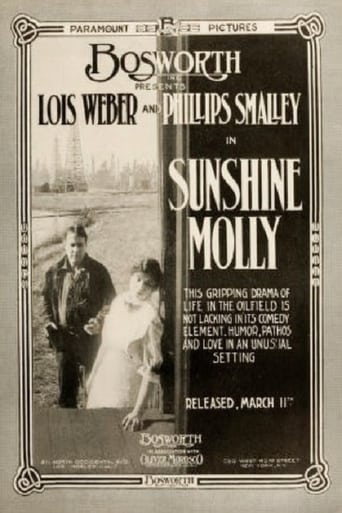
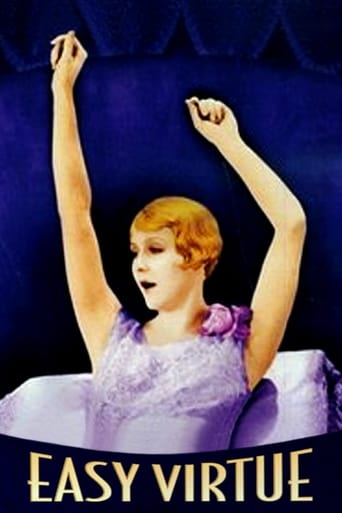
British character actor who flourished during the silent film era, appearing in numerous productions throughout the 1910s and 1920s. He began his film career around 1915 and quickly established himself as a reliable supporting actor in British cinema, often portraying authority figures, gentlemen, and professional men. Elliott appeared in over 50 films during his career, working with some of the prominent directors of the British silent film industry. His most notable works include 'Sunshine Molly' (1915), which was one of his early film appearances, and 'Easy Virtue' (1928), an Alfred Hitchcock-directed film that represented one of his final screen appearances. Like many character actors of his era, Elliott's career largely ended with the transition to sound films, as the industry changed and new opportunities favored different types of performers. His contributions to British silent cinema, while not widely documented today, were part of the foundation upon which British film industry was built during its formative years.
The Craft
On Screen
Frank Elliott was known for his naturalistic acting style within the constraints of silent film performance. He specialized in portraying respectable, middle-class characters with a dignified presence and subtle emotional expressions. His technique relied heavily on facial expressions and body language to convey character emotions, a necessity in the silent era. Elliott often played authority figures, professionals, and gentlemen, bringing a sense of authenticity and gravitas to his roles. His performances were characterized by a restrained, understated approach that avoided the exaggerated gestures common in early silent cinema.
Milestones
- Film debut in 'Sunshine Molly' (1915)
- Appeared in over 50 silent films
- Worked with director Alfred Hitchcock on 'Easy Virtue' (1928)
- Established career as a reliable character actor in British cinema
- Transitioned from supporting roles to more substantial character parts
Best Known For
Iconic Roles
Must-See Films
Working Relationships
Worked Often With
Studios
Why They Matter
Impact on Culture
Frank Elliott contributed to the development of British cinema during its formative years as a reliable character actor who helped populate the growing number of domestic film productions. His work in the silent era represents the foundation of character acting in British cinema, demonstrating how performers could create memorable supporting roles without dialogue. While not a major star, Elliott's consistent presence in films throughout the 1910s and 1920s helped establish the professional standards and acting styles that would influence subsequent generations of British actors. His appearance in Hitchcock's 'Easy Virtue' connects him to one of cinema's most important directors, making him part of the historical lineage of British film development.
Lasting Legacy
Frank Elliott's legacy lies primarily in his contribution to the British silent cinema, where character actors like him provided the essential supporting framework for the films of their era. Though many of his films are now lost or rarely seen, his body of work represents the type of professional, reliable acting that helped establish the British film industry's reputation for quality productions. His career arc from the early days of British cinema through to the transition to sound mirrors the broader evolution of the film industry itself. Today, film historians and silent cinema enthusiasts recognize actors like Elliott as crucial figures who, while not famous names, were integral to the success and development of cinema as an art form.
Who They Inspired
As a character actor during the silent era, Frank Elliott's influence was primarily within the British film industry's professional community rather than on later generations of actors. His naturalistic style and ability to create believable characters without dialogue helped establish standards for supporting performances in British cinema. The techniques he developed for conveying emotion and character through subtle expression and gesture were part of the broader evolution of film acting that would influence performers in subsequent decades. His work with directors like Alfred Hitchcock contributed to the development of British film's distinctive approach to storytelling and character development.
Off Screen
Frank Elliott maintained a relatively private personal life away from the spotlight. Born in London in 1880, he came of age during the early development of the British film industry. His active years covered the transformative years of World War I and the subsequent boom in British cinema production. After his film career ended with the advent of sound, Elliott appears to have retired from acting, living out his later years away from public attention. He passed away in London in 1954 at the age of 74, having witnessed the complete transformation of cinema from silent films to the modern era.
Did You Know?
- Appeared in Alfred Hitchcock's early film 'Easy Virtue' (1928), one of Hitchcock's silent films before he became internationally famous
- His active years covered exactly the period when British cinema was establishing itself as a significant industry
- Many of the films he appeared in are now considered lost, a common fate for silent era productions
- Like many British actors of his era, he successfully transitioned from stage to film during the early cinema boom
- His filmography includes over 50 films, though complete records are difficult to verify due to the age and loss of many silent films
- He worked during World War I, when the British film industry faced unique challenges including resource shortages and changing audience demands
- His final film appearance coincided with the transition to sound, marking the end of an era in British cinema
- He was part of the generation of actors who helped establish British cinema's identity separate from Hollywood dominance
Frequently Asked Questions
Who was Frank Elliott?
British character actor who worked primarily in silent films during the 1910s and 1920s, appearing in over 50 films and working with notable on YTB.my.
What films is Frank Elliott best known for?
Titles linked here include Sunshine Molly (1915), Easy Virtue (1928).
When was Frank Elliott born and when did he die?
Born February 11, 1880; died November 9, 1954.
What awards did Frank Elliott win?
There are no recorded awards or nominations for Frank Elliott, which was common for character actors during the silent era when formal acting awards were not yet established.
What was Frank Elliott's acting style?
Elliott was known for a naturalistic, understated acting style that avoided the exaggerated gestures common in early silent cinema, specializing in portraying respectable middle-class characters through subtle expressions and dignified presence.