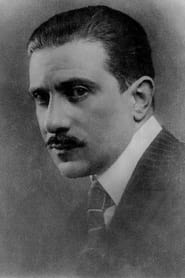
Paul Capellani
Actor
Born: March 2, 1877 in Paris, France Died: September 16, 1960 Active: 1906-1913 Birth Name: Paul Marie Capellani
Films
4 films
About Paul Capellani
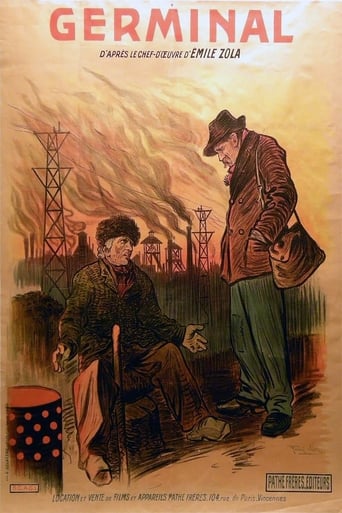
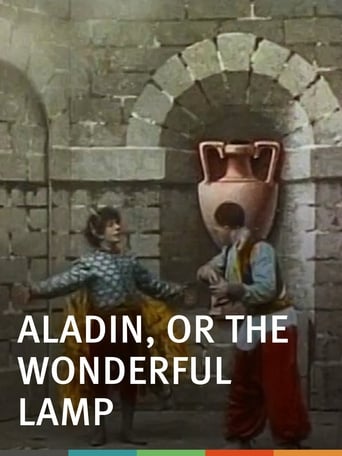
French film actor who emerged during the earliest days of cinema, working primarily with the influential Pathé studio. Born into a theatrical family, he transitioned from stage to screen during the revolutionary period when film was establishing itself as a new art form. Capellani became one of the first recognizable screen actors in French cinema, appearing in numerous short films and early features between 1906 and 1913. His most notable work includes starring roles in early literary adaptations, particularly 'Aladdin and His Wonder Lamp' (1906) and the ambitious 'Germinal' (1913), which was one of the earliest feature-length films produced in France. As the film industry evolved and World War I disrupted European cinema, Capellani's screen career gradually diminished, though he remained connected to the performing arts. His contributions during cinema's formative years helped establish acting techniques specific to the silent medium, influencing subsequent generations of French film performers. Capellani represents the crucial bridge between 19th-century theatrical traditions and the emerging language of cinema.
The Craft
On Screen
Capellani's acting style reflected the theatrical traditions of the late 19th century, adapted for the silent film medium. He employed exaggerated gestures and expressive facial features characteristic of early cinema, where visual storytelling had to compensate for the absence of dialogue. His performances were marked by a dramatic intensity that could be clearly understood by audiences through body language alone, a necessity in the era before intertitles became sophisticated. Capellani demonstrated remarkable range within these constraints, transitioning from the fantastical elements required in 'Aladdin' to the gritty realism demanded in 'Germinal'. His technique evolved as cinema matured, showing increasing subtlety in his later films as filmmakers discovered more nuanced ways to convey emotion visually.
Milestones
- Starred in 'Aladdin and His Wonder Lamp' (1906), one of the earliest film adaptations of the classic tale
- Led the cast in 'Germinal' (1913), a groundbreaking feature-length adaptation of Émile Zola's novel
- Worked extensively with Pathé, the dominant film company of early French cinema
- Participated in the transition from short films to feature-length cinema
- Helped establish screen acting techniques during cinema's formative years
Best Known For
Iconic Roles
Must-See Films
Accolades
Special Recognition
- Recognized as a figure in early French cinema
- Noted in historical film archives for contributions to early feature films
Working Relationships
Worked Often With
Studios
Why They Matter
Impact on Culture
Paul Capellani played a significant role in the development of French cinema during its most formative decade. His work in 'Germinal' (1913) helped demonstrate that serious literary adaptations could succeed as feature-length films, paving the way for more ambitious cinematic projects. As one of the first screen actors to gain recognition in France, he contributed to establishing film acting as a legitimate profession distinct from stage performance. His performances helped French audiences accept cinema as a medium capable of conveying complex narratives and emotions, moving beyond the simple trick films and actualities that dominated early cinema. Capellani's career trajectory also illustrates the rapid evolution of film from novelty to art form, as well as the challenges faced by early film actors as the industry professionalized.
Lasting Legacy
Paul Capellani's legacy lies primarily in his role as a pioneer of French feature cinema during the medium's crucial developmental period. While his name may not be widely recognized today, film historians acknowledge his contributions to early narrative cinema, particularly in establishing acting techniques specific to the silent medium. His work in 'Germinal' remains historically significant as one of the earliest attempts to bring serious literature to the screen, demonstrating cinema's potential as an artistic medium. Capellani represents the generation of performers who bridged 19th-century theatrical traditions and 20th-century cinema, helping create the foundation upon which subsequent French film culture would be built. His career, though brief by modern standards, occurred during perhaps the most transformative decade in cinema history.
Who They Inspired
Capellani influenced early French cinema through his demonstration of how theatrical acting could be adapted for the screen, helping establish a visual language for film performance. His work in literary adaptations showed early filmmakers that complex narratives could be successfully translated to cinema, encouraging more ambitious productions. While direct evidence of his influence on specific later actors is limited, his performances were part of the collective development of screen acting techniques that would be refined by subsequent generations. The Capellani brothers, with Paul as actor and Albert as director, represented an early model of family collaboration in cinema that would become more common in later decades.
Off Screen
Paul Capellani came from a family deeply involved in the performing arts, with his brother Albert Capellani becoming a prominent film director during the same period. This familial connection to entertainment provided him with early exposure to theatrical and cinematic arts. The Capellani brothers were among the first families to establish themselves as cinema professionals during the medium's infancy. Paul's career coincided with his brother Albert's rise as a director at Pathé, though they maintained separate professional identities. His personal life reflected the broader cultural changes occurring in France during the transition from the Belle Époque through World War I and into the modern era.
Education
Likely received theatrical training common for actors of his era, though specific educational details are not documented in available sources
Family
- Information not readily available in historical records
Did You Know?
- Paul Capellani's brother Albert Capellani — highly influential film director who also worked at Pathé
- His film 'Germinal' (1913) ran over two hours, making it one of the earliest feature-length films produced in France
- The Capellani brothers were among the first families to establish themselves as cinema professionals during the medium's infancy
- His active years covered the crucial transition period when cinema evolved from short novelty films to narrative features
- Pathé, the studio he worked with, was the largest film company in the world before World War I
- His performance in 'Aladdin and His Wonder Lamp' represented one of the earliest attempts at fantasy filmmaking
- The 1913 'Germinal' adaptation was remarkably faithful to Zola's novel, indicating the serious artistic ambitions of early French cinema
- Capellani's career ended just as World War I began, which dramatically altered the European film landscape
- He was part of the first generation of actors whose primary career was in film rather than theater
- His surviving films are preserved in various film archives as important examples of early French cinema
In Their Own Words
No documented quotes are available from Paul Capellani, as was common for actors of his era who rarely gave interviews or recorded their thoughts on performance
Frequently Asked Questions
Who was Paul Capellani?
French film with credits in this catalog. He was one of the first recognizable screen actors in French cinema, known for his work with Pathé studio and his roles in early literary adaptations.
What films is Paul Capellani best known for?
Titles linked here include Aladdin and His Wonder Lamp (1906), Germinal (1913).
When was Paul Capellani born and when did he die?
Born March 2, 1877; died September 16, 1960.
What awards did Paul Capellani win?
Paul Capellani did not receive formal awards during his career, as the film industry's award systems were not established during his active period in the 1900s-1910s. However, he is recognized by film historians as an important pioneer of early French cinema.
What was Paul Capellani's acting style?
Capellani's acting style reflected the theatrical traditions of the late 19th century adapted for silent film, characterized by exaggerated gestures and expressive facial features necessary for visual storytelling in the absence of dialogue. His technique evolved to show increasing subtlety as cinema matured.
How did Paul Capellani influence early cinema?
Capellani influenced early cinema by helping establish screen acting techniques specific to the silent medium and demonstrating that serious literary adaptations could succeed as feature films. His work in 'Germinal' helped prove cinema's potential as an artistic medium capable of handling complex narratives.
Was Paul Capellani related to any other filmmakers?
Yes, Paul Capellani's brother Albert Capellani — prominent film director during the same period, also working with Pathé. The Capellani brothers were among the first families to establish themselves as cinema professionals during the medium's infancy.