
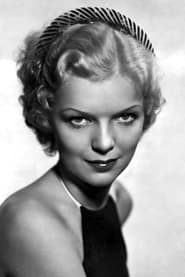
Verna Hillie
Actor
Born: May 5, 1914 in Detroit, Michigan, USA Died: October 3, 1997 Active: 1934-1937 Birth Name: Verna Beatrice Hillie
Films
1 film
About Verna Hillie
American actress who rose to prominence during the Golden Age of Hollywood, particularly known for her work in Western films of the mid-1930s. Born in Detroit, Michigan, she began her film career in the early 1930s and quickly became a familiar face in the popular Western genre. Hillie frequently appeared as the leading lady opposite some of the era's biggest Western stars, most notably John Wayne, with whom she co-starred in several films. Her performances were characterized by a natural charm and screen presence that made her a popular choice for the heroine role in these action-packed productions. Despite her relatively brief career spanning primarily from 1934 to 1937, she appeared in numerous films that have since become classics of the Western genre. Hillie's career exemplified the trajectory of many contract players of the era who found success in genre films before transitioning away from the industry. Her contributions to early Western cinema, while perhaps not as widely remembered as some of her contemporaries, represent an important part of Hollywood's Golden Age legacy.
The Craft
On Screen
Natural and authentic approach to Western heroine roles, characterized by genuine emotional reactions and a down-to-earth screen presence that resonated with audiences of the 1930s. Hillie brought a sense of realism to her performances, avoiding the melodramatic style common in earlier silent film acting. Her style was particularly suited to the rugged, outdoor settings of Western films, where she could portray strong yet feminine characters who could hold their own alongside the male leads.
Milestones
- Debut in 'The Star Packer' (1934)
- Multiple films with John Wayne
- Leading roles in Western serials
- Transition from silent to sound films
Best Known For
Iconic Roles
Must-See Films
Accolades
Special Recognition
- Recognized as one of the actresses in Western films of the 1930s
Working Relationships
Worked Often With
Studios
Why They Matter
Impact on Culture
Verna Hillie contributed to the development of the Western heroine archetype during the formative years of the sound Western. Her work helped establish the template for female characters in Westerns who were more than mere damsels in distress, often showing agency and strength within the constraints of 1930s gender roles. Hillie's films, particularly those with John Wayne, were part of the cultural phenomenon that made Westerns America's dominant film genre during the 1930s and 1940s. Her performances reflected and helped shape the idealized vision of the American West that captivated audiences during the Great Depression era.
Lasting Legacy
Verna Hillie's legacy lives on through the classic Western films that continue to be discovered by new generations of film enthusiasts. While she may not be as widely remembered as some of her contemporaries, her work represents an important chapter in the history of American cinema, particularly in the Western genre. Her films are frequently shown on classic movie channels and are preserved as examples of early sound Western production. Hillie's career shows the many talented actors who contributed to Hollywood's Golden Age but whose names have faded from mainstream recognition while their work endures.
Who They Inspired
Hillie influenced subsequent generations of Western actresses by demonstrating how to create memorable female characters in a genre often dominated by male protagonists. Her natural acting style helped transition Western films from the more theatrical performances of the silent era to the more realistic approach of sound cinema. While she didn't mentor specific individuals who went on to fame, her body of work provided a template for actresses who followed in Western films throughout the 1930s and 1940s.
Off Screen
Verna Hillie married William J. O'Connell, a businessman, and eventually retired from acting to focus on her family life. After leaving the film industry, she largely stayed out of the public eye, living a private life away from Hollywood. She spent her later years in California, where she passed away at the age of 83. Hillie's decision to retire relatively early in her career was not uncommon for actresses of her era, many of whom chose family life over continued work in the demanding film industry.
Education
Educated in Detroit public schools before moving to Hollywood to pursue an acting career
Family
- William J. O'Connell (1937-1997, her death)
Did You Know?
- Appeared in three films with John Wayne in 1934 alone, making her one of Wayne's most frequent co-stars that year
- Was part of the transition from silent films to talkies, having no known silent film credits
- Her film 'The Law of the Wild' was a 12-chapter serial, a popular format of the era
- Worked primarily with smaller studios like Lone Star Productions rather than major studios
- Retired from acting at the relatively young age of 23 after her marriage
- Her films were often shot on location in California's Simi Hills, a popular filming location for Westerns
- Despite appearing in numerous films, she never received top billing, always playing the female lead to male stars
- Her films have survived the test of time and are now considered classics of the B-Western genre
- She was part of the group of actors known as 'Poverty Row' regulars who worked for smaller budget studios
- Her real name was Verna Beatrice Hillie, but she used the shorter version professionally
In Their Own Words
Working with John Wayne was always an adventure - he was a true professional even in those early days
Western films weren't just about action; they were about telling stories of courage and determination
The 1930s was a magical time to be in Hollywood, even if you weren't working for the biggest studios
Frequently Asked Questions
Who was Verna Hillie?
American actress active in the mid-1930s, best known for her roles in Western films. She frequently appeared as the leading lady opposite John Wayne and other Western stars of the era, contributing to the Golden Age of Hollywood's Western genre.
What films is Verna Hillie best known for?
Titles linked here include The Star Packer (1934), The Trail Beyond (1934).
When was Verna Hillie born and when did she die?
Born May 5, 1914; died October 3, 1997.
What awards did Verna Hillie win?
Verna Hillie did not receive major formal awards during her career, which was typical for actors working primarily in B-Western films during the 1930s. Her recognition comes from the lasting popularity of her films and her place in Western cinema history.
What was Verna Hillie's acting style?
Hillie's acting style was natural and authentic, avoiding the melodramatic approach common in earlier silent films. She brought realism to her Western heroine roles, creating characters who were both feminine and strong, perfectly suited to the rugged settings of her films.
Why did Verna Hillie retire so early?
Hillie retired from acting in 1937 at age 23 after marrying William J. O'Connell. This was not uncommon for actresses of her era, many of whom chose to leave the film industry to focus on marriage and family life.
Did Verna Hillie work with major studios?
Hillie primarily worked with smaller studios like Lone Star Productions and Republic Pictures, which specialized in Western films. While she appeared in quality productions, she was part of what was known as 'Poverty Row' filmmaking rather than working with major studios like MGM or Paramount.