

Films
2 films
About Henry Hebert
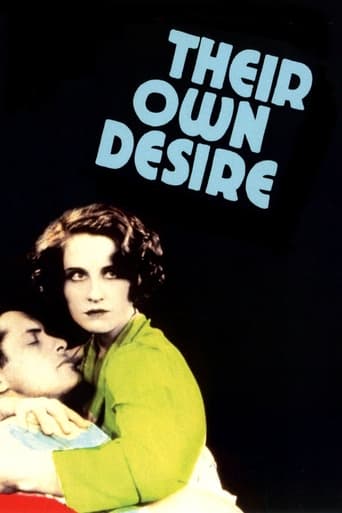
Henry Hebert worked on one surviving credit: the Hills (1919). His the crucial decade of the 1920s, appearing in both the final years of the silent era and the beginning of sound cinema. Hebert worked primarily as a supporting actor, appearing alongside some of the biggest stars of his time, including Mary Pickford in 'Heart o' the Hills' (1919) and Norma Shearer in 'Their Own Desire' (1929). Like many character actors of his era, he adapted his performance style from the exaggerated expressions required for silent films to the more naturalistic approach demanded by talkies. His filmography, while not extensive, demonstrates his versatility in navigating the dramatic shift in filmmaking technology and style that occurred during his active years. Hebert represents the countless working actors who formed the backbone of Hollywood's golden age, providing essential support to leading stars while maintaining steady careers through one of cinema's most transformative periods.
The Craft
On Screen
Typical of the silent era, Henry Hebert likely employed the exaggerated facial expressions and body language necessary to convey emotion without dialogue. As the industry transitioned to sound, he would have adapted to a more naturalistic acting style suitable for talkies, demonstrating the versatility required of actors during this pivotal period in cinema history.
Milestones
- Appeared in 'Heart o' the Hills' (1919) starring Mary Pickford
- Transitioned successfully from silent films to talkies
- Worked in 'Their Own Desire' (1929) during the early sound era
- Maintained career through Hollywood's technological transition
Best Known For
Iconic Roles
Must-See Films
Working Relationships
Worked Often With
Studios
Why They Matter
Impact on Culture
Henry Hebert's contribution to cinema, while not widely documented, represents the essential role of supporting actors in Hollywood's formative years. His ability to transition from silent films to talkies exemplifies the adaptability required of performers during one of cinema's most significant technological revolutions. As part of the ensemble casts that supported major stars, he helped create the early Hollywood cinema that laid the foundation for future filmmaking.
Lasting Legacy
Though not a household name, Henry Hebert's career shows the working actors who populated early Hollywood films. His appearances in notable productions with legendary stars like Mary Pickford and Norma Shearer place him within the historical context of cinema's golden age. He represents the countless performers whose names may be forgotten but whose contributions helped shape the art of film during its most transformative decade.
Who They Inspired
As a supporting actor during the silent-to-sound transition, Henry Hebert would have been part of the generation that demonstrated how acting techniques could evolve with new technology. His career path likely served as a model for other character actors navigating the changing demands of the film industry during the late 1920s.
Off Screen
Very little documented information exists about Henry Hebert's personal life, which was common for supporting actors of his era who maintained private lives outside their film careers.
Did You Know?
- Appeared in films during the pivotal transition from silent to sound cinema
- Worked with two of Hollywood's biggest female stars of the era
- His active years covered exactly one decade, from 1919 to 1929
- Like many character actors of his time, his personal details remain largely undocumented
- Represented the typical working actor who adapted to Hollywood's rapid technological changes
Frequently Asked Questions
Who was Henry Hebert?
American with credits in this catalog. He appeared as a supporting actor in notable films including 'Heart o' the Hills' (1919) with Mary Pickford and 'Their Own Desire' (1929) with Norma Shearer.
What films is Henry Hebert best known for?
Titles linked here include Heart o' the Hills (1919), Their Own Desire (1929).
When was Henry Hebert born and when did he die?
Unfortunately, specific birth and death dates for Henry Hebert are not well-documented in historical records, which was common for supporting actors of his era who maintained private lives outside their film careers.
What awards did Henry Hebert win?
There are no documented awards or nominations for Henry Hebert, which was typical for character actors and supporting performers during the silent and early sound era who often worked without formal recognition.
What was Henry Hebert's acting style?
Henry Hebert's acting style would have evolved from the exaggerated expressions typical of silent films to the more naturalistic approach required for talkies. His ability to adapt his performance style during this transitional period demonstrated the versatility needed by actors during Hollywood's technological revolution.
How did Henry Hebert contribute to early cinema?
Henry Hebert contributed to early cinema as part of the essential supporting cast that helped major stars shine in their films. His successful transition from silent to sound films exemplified how working actors adapted to Hollywood's rapid technological changes during the late 1920s.