John L. Sullivan
Actor
Born: October 15, 1858 in Roxbury, Massachusetts, United States Died: February 2, 1918 Active: 1897-1897 (film appearances) Birth Name: James Lawrence Sullivan
Films
1 film
About John L. Sullivan
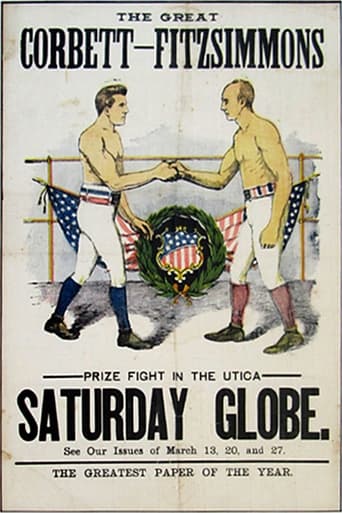
John L. Sullivan, born James Lawrence Sullivan, was not primarily an actor but rather heavyweight boxing champions of the 19th century who appeared in early cinema. Known as the 'Boston Strong Boy,' he dominated the boxing world from the 1880s through the early 1890s, becoming the last heavyweight champion of bare-knuckle boxing and the first under the Marquess of Queensberry Rules. After retiring from boxing, Sullivan's celebrity status led him to appear in various entertainment ventures, including early films. His appearance in 'The Corbett-Fitzsimmons Fight' (1897) was likely as himself, leveraging his fame as a boxing authority rather than as a dramatic actor. Sullivan transitioned from sports to entertainment, performing in vaudeville, giving lectures, and making personal appearances across the country. His foray into cinema represents the early trend of famous athletes and personalities appearing in films during cinema's nascent years. Though his film career was minimal, his contribution to early cinema demonstrates the intersection of sports celebrity and the emerging motion picture industry.
The Craft
On Screen
Non-professional performer who appeared as himself rather than adopting dramatic roles
Milestones
- Last heavyweight bare-knuckle boxing champion (1882-1889)
- First heavyweight gloved boxing champion under Marquess of Queensberry Rules
- Appeared in 'The Corbett-Fitzsimmons Fight' (1897)
- Pioneered the commercialization of boxing
- Transitioned to vaudeville and entertainment after boxing retirement
Best Known For
Iconic Roles
Must-See Films
Accolades
Special Recognition
- Inducted into International Boxing Hall of Fame (1990)
- Inducted into The Ring magazine Hall of Fame
- Named one of the greatest boxers of all time by various boxing publications
Working Relationships
Worked Often With
Studios
Why They Matter
Impact on Culture
John L. Sullivan's appearance in early cinema represents a crucial moment in the convergence of sports celebrity and film entertainment. As one of America's first true sports superstars, his participation in 'The Corbett-Fitzsimmons Fight' helped legitimize boxing films as commercially viable entertainment. The film itself was groundbreaking as one of the first feature-length motion pictures, running over 100 minutes and using innovative techniques for the time. Sullivan's presence in the film, even if limited, brought his massive popularity from the boxing ring to the emerging medium of cinema, helping bridge the gap between 19th-century sports entertainment and 20th-century film culture. His transition from sports to entertainment set a precedent for future athletes appearing in films and television.
Lasting Legacy
John L. Sullivan's legacy in cinema history, while brief, is significant as an example of early celebrity crossover into film. His participation in 'The Corbett-Fitzsimmons Fight' places him among the first sports figures to appear in motion pictures, predating the more famous athlete-actors of later decades. The film itself became a template for future boxing documentaries and fight films, demonstrating the commercial potential of sports in cinema. Sullivan's broader legacy as a boxing pioneer who helped transform the sport from underground bare-knuckle contests to mainstream entertainment indirectly influenced how sports would be portrayed in films for generations. His story represents the American archetype of the self-made man who rises to fame through physical prowess and charisma.
Who They Inspired
Sullivan influenced the early film industry by demonstrating the commercial value of celebrity appearances in motion pictures. His success in bridging boxing and entertainment paved the way for future athletes to transition into film and television. The boxing films he appeared in helped establish sports as a viable genre in early cinema, influencing countless fight films and sports documentaries that followed. His larger-than-life persona and showmanship set standards for how athletes could market themselves across multiple media platforms, a practice that would become standard in the 20th century. The technical innovations in 'The Corbett-Fitzsimmons Fight' influenced how sporting events would be filmed for decades to come.
Off Screen
John L. Sullivan led a colorful personal life marked by both athletic triumph and personal struggles. He married Elizabeth Harrington in 1883, though the marriage was troubled and ended in separation. Sullivan was known for his heavy drinking and lavish lifestyle, which eventually led to financial difficulties despite earning substantial sums from his fights. After retiring from boxing, he embraced temperance and became a lecturer on the dangers of alcohol. He had seven children with his wife. Sullivan's later years were spent in relative obscurity compared to his peak fame, though he remained a respected figure in sports. He passed away in 1918 at age 59 from heart disease, leaving behind a complex legacy as both a sports pioneer and early entertainment figure.
Education
Limited formal education; learned boxing in the streets of Boston
Family
- Elizabeth Harrington (1883-1908, separated)
Did You Know?
- He was the first American athlete to earn over $1 million in career earnings
- His fight against Jake Kilrain in 1889 was the last world heavyweight bare-knuckle championship bout
- He stood 5'10' and weighed around 190 pounds during his fighting prime
- Sullivan was known for his signature phrase 'I can lick any son of a bitch in the house'
- He appeared in vaudeville shows performing monologues about his boxing career
- The Corbett-Fitzsimmons Fight film he appeared in was over 100 minutes long, making it one of the first feature films
- He was a distant cousin of the famous Boston politician James Michael Curley
- Sullivan's fight against Paddy Ryan in 1882 made him the heavyweight champion of America
- He lost his championship to 'Gentleman Jim' Corbett in 1892, marking the end of his boxing dominance
- After retiring, he became a temperance advocate and gave lectures about the dangers of alcohol
In Their Own Words
I can lick any son of a bitch in the house.
My name is John L. Sullivan and I can lick any son of a bitch alive.
A man is not drunk as long as he can hold onto one blade of grass and not fall off the face of the earth.
The prizefighter of the present day is an entirely different proposition from what he was in my time.
Frequently Asked Questions
Who was John L. Sullivan?
Legendary American heavyweight boxing champion who became one of the first sports celebrities to appear in early motion pictures. Known as the 'Boston Strong Boy,' he was the last bare-knuckle heavyweight champion and the first under modern boxing rules, later appearing in films like 'The Corbett-Fitzsimmons Fight' (1897).
What films is John L. Sullivan best known for?
Titles linked here include The Corbett-Fitzsimmons Fight (1897).
When was John L. Sullivan born and when did he die?
Born October 15, 1858; died February 2, 1918.
What awards did John L. Sullivan win?
While John L. Sullivan didn't receive traditional film awards during his lifetime, he was posthumously inducted into the International Boxing Hall of Fame in 1990 and The Ring magazine Hall of Fame. His greatest achievement was being recognized as the heavyweight boxing champion of the world during his era.
What was John L. Sullivan's acting style?
Sullivan was not a professional actor and appeared in films as himself rather than adopting dramatic roles. His screen presence was that of a natural celebrity and boxing authority, leveraging his real-life fame and charismatic personality rather than employing acting techniques.
How did John L. Sullivan influence early cinema?
Sullivan influenced early cinema by demonstrating the commercial value of celebrity appearances in films. His participation in 'The Corbett-Fitzsimmons Fight' helped establish sports as a viable film genre and showed how famous athletes could bridge sports and entertainment, setting precedents for future athlete-actors.
What made John L. Sullivan significant in boxing history?
Sullivan was significant as the transitional figure between bare-knuckle and modern gloved boxing. He was America's first true sports superstar, earning unprecedented fame and fortune, and helped legitimize boxing as a mainstream sport rather than an underground activity.
Did John L. Sullivan have a career in entertainment beyond boxing?
Yes, after retiring from boxing, Sullivan had a successful career in vaudeville, performing monologues about his fighting experiences. He also gave lectures, made personal appearances, and appeared in early films, demonstrating how sports celebrities could transition into broader entertainment fields.