
Films
1 film
About Earl Burtnett
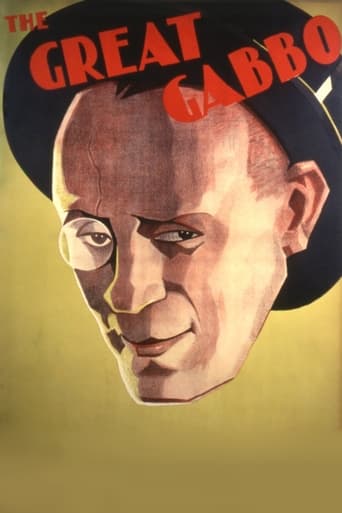
American actor who appeared briefly during the transition from silent films to talkies in the late 1920s. His career was notably short-lived, with his only known film credit being in the 1929 early talkie 'The Great Gabbo.' This film was significant as one of the early sound productions that combined drama with musical elements, starring the Erich von Stroheim. Burtnett appeared during a pivotal moment in cinema history when many actors struggled to adapt to the new sound technology, and his brief career may reflect the challenges faced by performers during this transitional period. Unfortunately, detailed information about his life, training, or career trajectory remains scarce, suggesting he was either a bit player, background actor, or someone who briefly attempted acting before pursuing other endeavors. His appearance in 'The Great Gabbo' represents his entire known film legacy, making him a footnote in the history of early sound cinema.
The Craft
Milestones
- Appeared in the early talkie 'The Great Gabbo' (1929) during the transition from silent to sound cinema
Best Known For
Must-See Films
Working Relationships
Studios
Why They Matter
Impact on Culture
Earl Burtnett's cultural impact is minimal due to his extremely brief career in cinema. However, his participation in 'The Great Gabbo' places him within the historical context of early sound cinema, a transformative period when the film industry was adapting to new technologies and performance requirements. The film itself is notable as an early example of the musical drama genre and represents the experimental nature of early talkies. Burtnett's career, however brief, is representative of the many actors who attempted to make the transition from silent films to sound but did not achieve lasting success in the new medium.
Lasting Legacy
Earl Burtnett's legacy in film history is primarily as a representative example of the many peripheral actors who appeared during the early sound era but did not establish long-term careers. His single known film appearance in 'The Great Gabbo' serves as a historical marker of the transitional period when cinema was evolving from silent to sound. While not a significant figure in film history, his inclusion in this early talkie demonstrates the vast number of performers who contributed to cinema during its formative years, even if their individual contributions were minimal or fleeting.
Who They Inspired
Given his brief career and single known film appearance, Earl Burtnett had no discernible influence on other actors or directors. His career serves more as a historical footnote representing the many performers who passed through Hollywood during the early sound era without achieving lasting impact or recognition in the industry.
Off Screen
Very little information is available about Earl Burtnett's personal life. Given his brief film career and the scarcity of records, he likely returned to other pursuits after his single film appearance. It's worth noting that he should not be confused with Earl Burtnett (1899-1936), the well-known composer and bandleader who led the orchestra at the Biltmore Hotel in Los Angeles during the same period.
Did You Know?
- Earl Burtnett should not be confused with Earl Burtnett (1899-1936), the prominent composer and bandleader of the same name
- His only known film appearance was in 'The Great Gabbo' (1929), which starred Erich von Stroheim
- The film he appeared in was one of the early talkies that combined dramatic elements with musical numbers
- His career coincided with the challenging transition period when many silent film actors struggled to adapt to sound
- Information about his role in the film is not well-documented, suggesting it was likely a minor or background part
- The film was produced by Sono Art-World Wide Pictures, a smaller studio during the early sound era
Frequently Asked Questions
Who was Earl Burtnett?
American with credits in this catalog.' He was active during the transitional period from silent films to talkies but did not achieve lasting success in the film industry.
What films is Earl Burtnett best known for?
Titles linked here include The Great Gabbo (1929).
When was Earl Burtnett born and when did he die?
Specific birth and death dates for Earl Burtnett the actor are not available in historical records. This lack of information is common for minor actors from the early sound era who had brief careers and did not achieve significant recognition.
What awards did Earl Burtnett win?
There are no records of Earl Burtnett receiving any awards or nominations for his work in film. Given his brief career and single film appearance, he would not have been eligible for major industry recognition during his time.
What was Earl Burtnett's acting style?
Due to the limited documentation of his career and the apparent minor nature of his role in 'The Great Gabbo,' there is no available information about Earl Burtnett's specific acting style or techniques. His brief appearance occurred during the challenging transition period when actors were adapting to sound technology.
Is Earl Burtnett related to the composer Earl Burtnett?
No, Earl Burtnett the actor should not be confused with Earl Burtnett (1899-1936), the composer and bandleader who was prominent during the same period. The composer led orchestras at prestigious venues like the Biltmore Hotel and was a significant figure in early 20th century American popular music.