Harry Relph
Actor
Born: July 21, 1867 in Cudham, Kent, England Died: February 10, 1928 Active: 1880s-1928
Films
1 film
About Harry Relph
Harry Relph, better known by his stage name 'Little Tich,' was music hall comedians of the Victorian and Edwardian eras who successfully transitioned into early cinema. Born in Kent, England, he began performing in music halls as a teenager and quickly rose to fame due to his remarkable physical comedy skills and distinctive appearance, standing just 4 feet 6 inches tall. His over four decades, during which he developed an extensive repertoire of characters and routines that showcased his extraordinary physical abilities. Relph's most famous creation was 'The Big Boot Dance,' where he would wear enormous, custom-made boots and perform an astonishing dance routine that defied the laws of physics. He entered the emerging film industry in the early 1900s, appearing in several short comedies that preserved his unique talents for posterity. Throughout his career, he toured extensively across Britain and internationally, becoming one of the highest-paid entertainers of his time. Despite his physical limitations, Relph's performances were characterized by incredible agility, timing, and innovation that influenced generations of comedians who followed.
The Craft
On Screen
Physical comedy characterized by extraordinary agility and timing, utilizing his short stature to create visually striking routines. His performances featured exaggerated movements, precise choreography, and innovative props, particularly his famous oversized boots. Relph's style combined slapstick elements with sophisticated dance techniques, creating a unique blend that was both hilarious and technically impressive.
Milestones
- Rose to fame in London music halls in the 1880s
- Created and perfected 'The Big Boot Dance' routine
- Transitioned successfully to early cinema in the 1900s
- Toured internationally including successful American tours
- Became one of the highest-paid entertainers of the Edwardian era
- Appeared in command performances for royalty
Best Known For
Iconic Roles
Must-See Films
Accolades
Special Recognition
- Recognized as a figure in British entertainment history
- Command performances for British royalty
- Posthumous induction into music hall halls of fame
Working Relationships
Worked Often With
Studios
Why They Matter
Impact on Culture
Harry Relph significantly influenced the development of physical comedy in both stage and screen entertainment. His innovative use of props and extraordinary physical abilities pushed the boundaries of what was considered possible in comic performance. As one of the first major music hall stars to successfully transition to cinema, he helped bridge the gap between theatrical and film performance styles. His work demonstrated the potential of film to capture and preserve unique performance art that might otherwise have been lost to history. Relph's international success helped establish British comedy as a significant cultural export, influencing performers worldwide and contributing to the global appreciation of British entertainment.
Lasting Legacy
Harry Relph's legacy endures through his contributions to physical comedy and early cinema. His 'Big Boot Dance' remains. As a transitional figure between Victorian music hall and modern entertainment, he represents an important link in the evolution of comedy performance. His films are now recognized as valuable historical documents that capture the artistry of early 20th-century entertainment. Relph's influence can be seen in the work of countless comedians who followed, from silent film stars to modern physical comedians. His success despite physical challenges has also made him an inspirational figure in disability representation in entertainment.
Who They Inspired
Relph's innovative approach to physical comedy directly influenced silent film comedians like Charlie Chaplin, Buster Keaton, and Harold Lloyd, who incorporated elements of his style into their own work. His use of oversized props and extraordinary physical feats became staples of visual comedy that continue to appear in modern entertainment. The technical precision of his dance routines influenced the development of choreography in both comedy and serious performance contexts. His success as a performer with physical differences helped pave the way for greater diversity in entertainment, showing that talent could transcend physical limitations. Contemporary comedians and variety performers continue to reference and pay homage to his groundbreaking work.
Off Screen
Harry Relph married Winifred Ternstrom in 1895, and they had one child together. Despite his enormous success, he maintained a relatively private personal life away from the spotlight. His marriage endured until his death, and his wife often accompanied him on tours. Relph was known for his generosity and supported various charitable causes throughout his career. He continued performing even as his health declined in his later years, demonstrating his dedication to his craft and his audiences.
Education
Limited formal education due to beginning work at a young age to support his family
Family
- Winifred Ternstrom (1895-1928)
Did You Know?
- His stage name 'Little Tich' was inspired by the famous Tichborne Claimant case of the 1870s
- The boots he wore for his famous dance routine weighed approximately 28 pounds each
- He could perform incredible acrobatic feats despite his small stature
- His performances were so popular that he earned the equivalent of millions in today's currency
- He performed in command performances for both Queen Victoria and King Edward VII
- His 'Big Boot Dance' routine has never been successfully replicated by any other performer
- He was one of the first performers to recognize the potential of film for preserving performance art
- Despite his fame, relatively little personal documentation about his private life survives
- His films are now considered priceless historical artifacts of early cinema
- He continued performing even after developing serious health issues in his final years
In Their Own Words
The secret to making people laugh is to do the unexpected - and then do it again, but bigger.
These boots may be heavy, but making people smile is worth every pound.
Size doesn't matter when you have the audience in the palm of your hand.
Frequently Asked Questions
Who was Harry Relph?
Harry Relph, known professionally as 'Little Tich,' was a celebrated British music hall comedian and early film actor famous for his physical comedy and extraordinary dance routines. Standing just 4 feet 6 inches tall, he became.
What films is Harry Relph best known for?
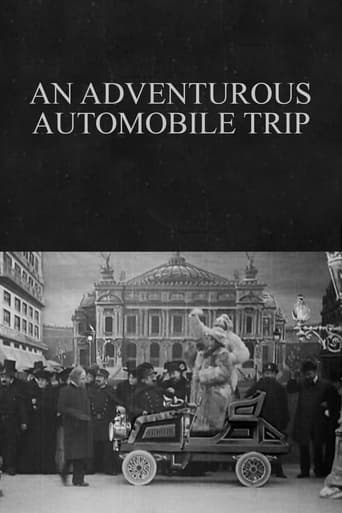
Titles linked here include An Adventurous Automobile Trip (1904), Little Tich and His Big Boots (1900).
When was Harry Relph born and when did he die?
Born July 21, 1867; died February 10, 1928.
What was Harry Relph's most famous routine?
Harry Relph's most famous routine was 'The Big Boot Dance,' where he performed an extraordinary dance wearing enormous, custom-made boots weighing 28 pounds each. This routine showcased his incredible agility and became his signature performance that no other comedian has successfully replicated.
How did Harry Relph influence later comedians?
Harry Relph influenced later comedians through his innovative physical comedy, use of props, and extraordinary timing. Silent film stars like Charlie Chaplin, Buster Keaton, and Harold Lloyd incorporated elements of his style into their work, and his approach to visual comedy continues to influence performers today.