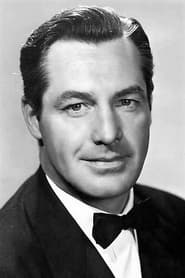
Kane Richmond
Actor
Born: December 23, 1905 in Minneapolis, Minnesota, USA Died: March 24, 1973 Active: 1930-1952 Birth Name: Frederick William Bowman
Films
1 film
About Kane Richmond
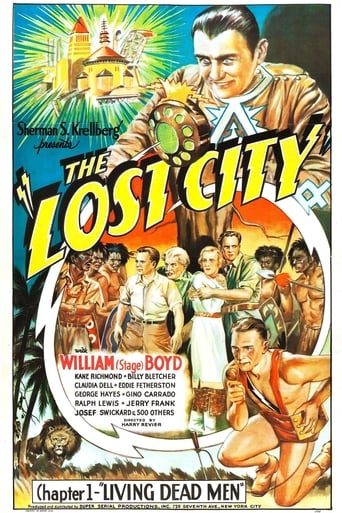
Kane Richmond, born Frederick William Bowman, was an American actor who rose to prominence during the Golden Age of Hollywood as a leading man in serials and adventure films. After beginning his career as a model and athlete, Richmond transitioned to acting in the early 1930s, quickly establishing himself as a reliable action star with his athletic build and commanding screen presence. He achieved his greatest fame starring in popular serials like 'The Lost City' (1935), where he played the heroic Bruce Gordon, and later as the title character in 'Brick Bradford' (1947). Richmond's over two decades, during which he appeared in more than 60 films, primarily for Republic Pictures and other studios specializing in B-movies and serials. Despite never achieving A-list stardom, he became a beloved figure among serial enthusiasts and maintained steady employment throughout the studio system era. Richmond retired from acting in the early 1950s and spent his later years in business ventures away from Hollywood. His legacy endures through his contributions to the serial genre and his memorable portrayals of adventure heroes during cinema's golden age.
The Craft
On Screen
Richmond was known for his athletic, physically demanding acting style that perfectly suited the action-oriented serials and adventure films of his era. He possessed a strong, commanding presence on screen with a deep, resonant voice that carried well in early sound films. His performances were characterized by straightforward, earnest portrayals of heroic figures, often playing brave explorers, soldiers, or adventurers facing extraordinary challenges. Richmond's background as an athlete allowed him to perform many of his own stunts, adding authenticity to the action sequences that were central to his films. While not known for subtle emotional range, he excelled at conveying determination, courage, and moral certainty—qualities that made him ideal for the clear-cut heroes of serial cinema.
Milestones
- Starred in the popular serial 'The Lost City' (1935)
- Played the title role in 'Brick Bradford' (1947) serial
- Became Republic Pictures' leading serial star
- Appeared in over 60 films during his career
- Transitioned successfully from silent films to talkies
- Known for performing many of his own stunts
Best Known For
Iconic Roles
Must-See Films
Accolades
Special Recognition
- Recognized as
- Honored by serial film societies and preservation groups
Working Relationships
Worked Often With
Studios
Why They Matter
Impact on Culture
Kane Richmond made a significant impact on American popular culture through his work in movie serials, which were a dominant form of entertainment during the 1930s and 1940s. His portrayal of brave, decisive heroes in cliffhanger serials helped define the archetype of the American action hero during this period. Richmond's films, particularly 'The Lost City,' contributed to the adventure genre's popularity and influenced later comic book heroes and action films. The serial format he helped popularize laid groundwork for modern television series and cinematic universes with their continuing storylines and heroic protagonists. His work preserved the tradition of the physically capable, morally upright hero during a time when American cinema was establishing its identity.
Lasting Legacy
Kane Richmond's legacy endures primarily among film historians, serial enthusiasts, and preservationists who recognize his contribution to one of Hollywood's most distinctive genres. His performances have been preserved through film archives and continue to be screened at classic film festivals and serial conventions. Richmond represents the era of the journeyman actor who found success and stardom within the specialized world of B-movies and serials, providing entertainment to millions of Americans during the Great Depression and World War II years. The characters he portrayed, particularly Bruce Gordon and Brick Bradford, remain iconic figures in serial cinema history. Modern action heroes and their actors owe a debt to performers like Richmond who established the template for the physically capable, charismatic adventurer.
Who They Inspired
Richmond influenced subsequent generations of action stars through his athletic approach to stunt work and his dedication to performing his own action sequences whenever possible. His work in serials helped establish many conventions that would later become standard in action cinema, including the cliffhanger ending, the heroic rescue sequence, and the battle against villainous masterminds. Actors who followed in serials and adventure films, such as Kirk Alyn (the first Superman) and Clayton Moore (the Lone Ranger), built upon the foundation Richmond helped establish. His straightforward, earnest style of heroism contrasted with more cynical portrayals that would emerge later, but his influence can be seen in the enduring appeal of clear-cut heroic characters in popular entertainment.
Off Screen
Kane Richmond married actress and model Marion Burns in 1934, and the couple remained together until his death in 1973. They had two children together and maintained a relatively private family life away from the Hollywood spotlight. Unlike many of his contemporaries, Richmond avoided the typical Hollywood scandals and maintained a reputation as a reliable professional. After retiring from acting, he successfully transitioned into business, owning and operating a restaurant in Southern California. Richmond was known among colleagues as a humble, hardworking actor who never lost touch with his Midwestern roots despite his Hollywood success.
Education
Attended University of Minnesota, studied engineering before turning to acting
Family
- Marion Burns (1934-1973)
Did You Know?
- His real name was Frederick William Bowman
- He was a champion athlete before becoming an actor
- Richmond stood 6'2" tall, making him an imposing figure in his films
- He performed most of his own stunts, including dangerous cliffhanger sequences
- The Lost City serial was originally 12 chapters, each ending with a cliffhanger
- He was one of the few serial stars to successfully transition from silent films to talkies
- Richmond was considered for the role of Tarzan before Johnny Weissmuller was cast
- He served in the Army Air Corps during World War II
- After retiring from films, he owned a successful restaurant in Orange County, California
- His wife Marion Burns also appeared in several of his films
- The Lost City was one of the first serials to deal with science fiction themes
- Richmond was known for his professionalism and reliability on set, rarely missing a day of shooting
In Their Own Words
In serials, you had to be ready for anything. One day you're fighting lions, the next you're dangling from a cliff. It was all in a day's work.
The kids loved the serials, and that's what mattered. We were their heroes, and we took that responsibility seriously.
Stunts weren't just for show in those days. If you saw me fall from a building, I really fell from that building.
Being a serial star meant you were always working. We'd finish one chapter and start the next the same week.
Frequently Asked Questions
Who was Kane Richmond?
American with credits in this catalog. Born Frederick William Bowman, he became a popular action hero, particularly famous for his role in 'The Lost City' (1935) and as the title character in 'Brick Bradford' (1947). He appeared in over 60 films before retiring in the early 1950s.
What films is Kane Richmond best known for?
Titles linked here include The Lost City (1935), Brick Bradford (1947).
When was Kane Richmond born and when did he die?
Born December 23, 1905; died March 24, 1973.
What awards did Kane Richmond win?
While Kane Richmond did not receive major industry awards like Academy Awards or Golden Globes, he was recognized within the film industry and by serial enthusiasts as. His contributions to the adventure and serial genres have been honored by film preservation societies and classic film organizations.
What was Kane Richmond's acting style?
Richmond was known for his athletic, physically demanding acting style perfect for action roles. He brought a straightforward, earnest quality to his heroic characters, with a commanding screen presence and deep voice. A former athlete, he performed many of his own stunts, adding authenticity to the action sequences that were central to his serial films.
How did Kane Richmond influence later action stars?
Richmond helped establish many conventions of the action genre that influenced later stars. His dedication to performing his own stunts set a standard for physical authenticity in action films. The heroic archetypes he developed in serials influenced later comic book adaptations and action cinema, while his professionalism and reliability became a model for actors in physically demanding roles.
Why did Kane Richmond retire from acting?
Richmond retired from acting in the early 1950s as the serial format declined in popularity and the studio system began to change. He successfully transitioned to business ownership, running a restaurant in Orange County, California. Unlike many actors who struggle with retirement, Richmond embraced his post-acting career and maintained a private life with his family until his death in 1973.