Films
3 films

About Emil Albes
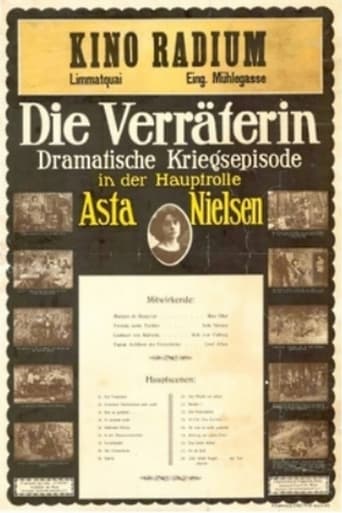
German silent film actor: brief cinematic career was confined to the year 1911, placing him among the pioneers of early German cinema during its formative years. Emil appears in at least two significant films of that period, 'The Traitress' and 'The Black Dream,' both produced during a crucial time when German cinema was establishing its artistic identity separate from the dominant French and American industries. Like many actors of this transitional period, Albes likely came from a theatrical background, as was common for early film performers who brought stage techniques to the new medium. His extremely limited filmography suggests either a brief foray into cinema before returning to other pursuits, an early death, or perhaps incomplete historical records that fail to capture his full body of work. The fact that both his known films were produced in 1911 indicates he was active during a period when German film production was rapidly expanding, with companies like Deutsche Bioscop and others establishing themselves as major players. Albes represents the countless actors who participated in cinema's birth but whose contributions remain largely undocumented due to the fragmentary nature of early film preservation and record-keeping.
The Craft
Milestones
- Appeared in 'The Traitress' (1911)
- Appeared in 'The Black Dream' (1911)
- Participated in early German silent cinema during its formative period
Best Known For
Must-See Films
Why They Matter
Impact on Culture
Emil Albes, like many actors from the dawn of cinema, represents the foundational contributors to the film industry whose individual stories have been largely lost to time. His participation in early German films during 1911 places him among the pioneers who helped establish cinema as a legitimate art form and entertainment medium in Germany. Though his specific contributions may be difficult to trace, actors like Albes were essential in developing the visual language and performance techniques that would evolve throughout the silent era. The films he appeared in were created during a crucial period when German cinema was beginning to develop its unique identity, distinct from the more established French and American film industries of the time.
Lasting Legacy
Emil Albes' legacy is primarily that of an early cinema pioneer whose work, like that of many contemporaries, shows the collaborative nature of early filmmaking. While he may not have achieved lasting fame, his participation in the earliest years of German cinema contributes to our understanding of how the film industry developed and the types of performers who were drawn to this new medium. The survival of his film credits, however limited, provides valuable historical documentation of the actors working during cinema's first decade as a narrative art form.
Who They Inspired
Due to the limited documentation of Emil Albes' career and the ephemeral nature of early film performances, it's difficult to trace his specific influence on other performers or the development of acting techniques. However, like all actors working in this period, he would have contributed to the evolution of screen acting from theatrical styles to more cinema-appropriate performance methods.
Off Screen
Very little is documented about Emil Albes' personal life, which is typical for many actors from the earliest days of cinema who were not major stars. As with most supporting actors from this period, detailed biographical information was rarely preserved unless the individual achieved significant fame.
Did You Know?
- Emil Albes' entire known film career spans only one year - 1911
- Both of his known films were produced during the early expansion period of German cinema
- The Traitress and The Black Dream were among the thousands of German films produced before World War I
- Early German actors like Albes often came from theatrical backgrounds
- Most films from this era are now lost, making surviving actor credits particularly valuable
- 1911 was a significant year for German film production, with numerous companies establishing themselves
- Early silent film actors often worked anonymously or with minimal credit
- The preservation of early film records was often inconsistent, especially for supporting performers
Frequently Asked Questions
Who was Emil Albes?
German silent film with credits in this catalog.
What films is Emil Albes best known for?
Titles linked here include The Traitress (1911), The Black Dream (1911).
When was Emil Albes active in films?
Emil Albes was active exclusively in 1911, making him one of the earliest German film actors during cinema's decade.
What was Emil Albes' nationality?
Emil Albes was German, working during the early development of the German film industry in the 1910s.
Why is so little known about Emil Albes?
Limited documentation is typical for early cinema actors who weren't major stars, as record-keeping and preservation of film history was inconsistent during cinema's first decade.