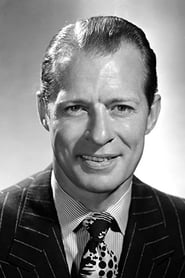
Morgan Conway
Actor
Born: March 16, 1903 in Newark, New Jersey, USA Died: November 7, 1981 Active: 1934-1950 Birth Name: Sydney Conway Lyster
Films
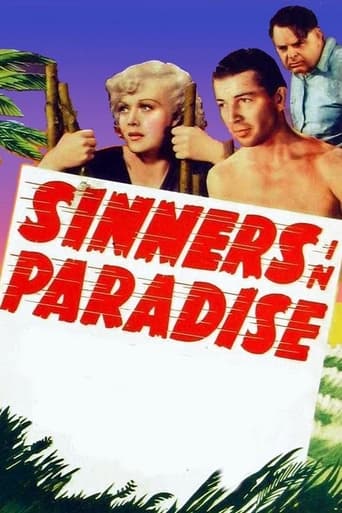
1 film
About Morgan Conway
American actor best known for his portrayal of the comic strip detective Dick Tracy in a series of RKO Radio Pictures films during the 1940s. Born Sydney Conway Lyster on March 16, 1903, in Newark, New Jersey, he began his acting career in theater before transitioning to film in the mid-1930s. Conway gained significant recognition when he was cast as Dick Tracy in 1945's 'Dick Tracy' and its sequel 'Dick Tracy vs. Cueball' in 1946, becoming the first actor to bring the character to life in a major motion picture. Prior to his Tracy role, he appeared in numerous supporting roles throughout the 1930s and early 1940s, often playing sophisticated villains or authority figures. His film from 1934 to 1950, during which he appeared in over 40 films. After his acting career declined, Conway worked in real estate and later became a successful businessman. He passed away on November 7, 1981, in Van Nuys, California, leaving behind a legacy as the definitive Dick Tracy of his era.
The Craft
On Screen
Conway was known for his stern, authoritative presence and distinctive voice, which made him particularly well-suited for playing law enforcement characters and sophisticated villains. His portrayal of Dick Tracy was characterized by a no-nonsense, serious approach that captured the comic strip character's determined nature. In supporting roles, he often brought a sense of gravitas and menace to his performances, using his tall stature and commanding screen presence to great effect.
Milestones
- First actor to portray Dick Tracy in major motion pictures
- Starred in 'Dick Tracy' (1945) and 'Dick Tracy vs. Cueball' (1946)
- Appeared in over 40 films during his 16-year career
- Transitioned from theater to film in the mid-1930s
- Became successful in real estate after acting career
Best Known For
Iconic Roles
Must-See Films
Accolades
Special Recognition
- Remembered as the first major film actor to portray Dick Tracy
Working Relationships
Worked Often With
Studios
Why They Matter
Impact on Culture
Morgan Conway's portrayal of Dick Tracy in the mid-1940s established the visual template for how the iconic detective would be portrayed in live-action for decades to come. His stern, serious interpretation of the character contrasted with later, more stylized versions, but his performances remain influential among classic film enthusiasts and comic book historians. Conway's work helped bridge the gap between comic strip characters and mainstream cinema during a time when such adaptations were becoming increasingly popular. His Dick Tracy films were among the first successful comic book-to-film adaptations, paving the way for the numerous superhero and comic adaptations that would follow in later decades.
Lasting Legacy
Morgan Conway's lasting legacy is primarily tied to his groundbreaking portrayal of Dick Tracy, making him the first actor to give the comic strip detective a definitive cinematic identity. While his overall film career was relatively modest compared to Hollywood's biggest stars, his two Dick Tracy films have endured as cult classics among fans of classic cinema and comic book adaptations. Film historians and classic movie enthusiasts continue to appreciate his serious, no-nonsense approach to the character, which stood in contrast to the more stylized interpretations that would follow. His work represents an important chapter in the evolution of comic book adaptations in cinema, demonstrating how early filmmakers approached bringing illustrated characters to life on screen.
Who They Inspired
Conway's portrayal of Dick Tracy influenced subsequent actors who would play the character, including Ralph Byrd, Warren Beatty, and others who appeared in various adaptations. His serious, authoritative approach to the character established a baseline for how comic strip detectives should be portrayed in live-action films. While not a household name like many Hollywood stars of his era, Conway's work in the Dick Tracy films has been studied by film scholars interested in the early days of comic book adaptations and the transition from print to screen entertainment. His performances demonstrated that comic strip characters could be successfully adapted for serious dramatic treatment rather than mere parody or camp.
Off Screen
Morgan Conway was married twice during his lifetime. After his acting career ended in the early 1950s, he successfully transitioned into the real estate business, where he found considerable success. He spent his later years in California, where he lived until his death in 1981 at the age of 78. Conway maintained a relatively private personal life, with most public attention focused on his professional work rather than his private affairs.
Education
Educational background not publicly documented
Family
- First marriage details unavailable
- Second marriage details unavailable
Did You Know?
- His real name was Sydney Conway Lyster, but he used Morgan Conway as his stage name
- He was the first actor to play Dick Tracy in a major motion picture
- Despite being replaced by Ralph Byrd in later Dick Tracy films, many fans prefer Conway's serious interpretation
- His Dick Tracy films were produced by RKO Radio Pictures
- Conway stood 6'2" tall, which added to his imposing screen presence as Dick Tracy
- After his acting career ended, he became successful in real estate
- He appeared in over 40 films during his career, though many were uncredited or minor roles
- His portrayal of Dick Tracy featured the character's signature yellow trench coat and fedora
- The two Dick Tracy films he starred in were both released in 1945 and 1946 respectively
- Conway's version of Dick Tracy was closer to the original comic strip character than later adaptations
In Their Own Words
I'm Dick Tracy, and I'm here to clean up this town.
Crime doesn't pay, and I'm here to collect.
Frequently Asked Questions
Who was Morgan Conway?
American with credits in this catalog. Born Sydney Conway Lyster, he appeared in over 40 films during his career from 1934 to 1950, with his most memorable roles being in 'Dick Tracy' (1945) and 'Dick Tracy vs. Cueball' (1946).
What films is Morgan Conway best known for?
Titles linked here include Dick Tracy (1945), Dick Tracy vs. Cueball (1946).
When was Morgan Conway born and when did he die?
Born March 16, 1903; died November 7, 1981.
What awards did Morgan Conway win?
Morgan Conway did not receive any major formal awards or nominations during his acting career. However, his legacy as the first actor to portray Dick Tracy in major motion pictures has earned him recognition and appreciation among classic film enthusiasts and comic book historians, though this recognition came more in the form of cult status rather than formal awards.
What was Morgan Conway's acting style?
Morgan Conway was known for his stern, authoritative presence and distinctive voice, which made him particularly well-suited for playing law enforcement characters and sophisticated villains. His acting style was characterized by a serious, no-nonsense approach that brought gravitas to his roles, particularly in his portrayal of Dick Tracy, where he captured the comic strip character's determined and resolute nature.