
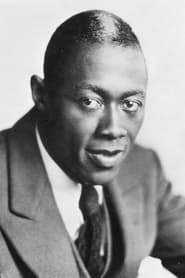
Stepin Fetchit
Actor
Born: May 30, 1902 in Key West, Florida, USA Died: November 19, 1985 Active: 1925-1976 Birth Name: Lincoln Theodore Monroe Andrew Perry
Films
3 films
About Stepin Fetchit
Lincoln Theodore Monroe Andrew Perry, known professionally as Stepin Fetchit, was an American comedian and film actor who became one of the first Black actors to achieve mainstream success in Hollywood. Born in Key West, Florida, he began his career in vaudeville and minstrel shows before transitioning to films in the 1920s. Perry created a controversial character persona known as 'The Laziest Man in the World' - a slow-moving, shiftless character who spoke in an exaggerated dialect that became both his trademark and a source of criticism. Despite the problematic nature of these stereotypes, Perry became the first Black actor to earn a million dollars and receive prominent screen credit in major Hollywood productions. His five decades, though his film prominence declined after the 1940s as attitudes toward racial stereotypes began to change. In his later years, he faced criticism from civil rights leaders for perpetuating harmful stereotypes, though some scholars have argued his performances contained elements of subversion and survival strategy. He spent his final years in relative obscurity, having lost his fortune through mismanagement and lavish spending.
The Craft
On Screen
Perry developed a distinctive acting style characterized by extremely slow, deliberate movements, exaggerated laziness, and a unique drawling speech pattern. His performances featured a shuffling gait, perpetually sleepy expression, and a dialect that emphasized certain syllables while dropping others. This style was carefully crafted to appeal to white audiences' expectations of Black behavior while simultaneously allowing Perry to subvert expectations through subtle comedic timing and intelligence behind the apparent simplicity.
Milestones
- First Black actor to become a Hollywood millionaire
- First Black actor to receive featured screen credit in films
- Starred in the first all-Black talking picture 'Hearts in Dixie' (1929)
- Appeared in over 50 films during his career peak
- Worked with major stars including Will Rogers and Shirley Temple
Best Known For
Iconic Roles
Must-See Films
Accolades
Won
- NAACP Image Award Hall of Fame (1976, posthumous recognition)
- Hollywood Walk of Fame Star (1960, later removed due to controversy)
Nominated
- No major Academy Award nominations during his active period
Special Recognition
- Inducted into the Black Filmmakers Hall of Fame (1978)
- Subject of scholarly re-evaluation in film studies
- Recognized as a figure in African American cinema
Working Relationships
Worked Often With
Studios
Why They Matter
Impact on Culture
Stepin Fetchit's cultural impact remains deeply controversial and complex. On one hand, his perpetuation of the 'lazy' stereotype damaged the perception of African Americans in cinema for decades and provided ammunition for those promoting racist ideologies. His character became so ingrained in American culture that 'Stepin Fetchit' entered the lexicon as a pejorative term for anyone perceived as lazy or incompetent. However, Perry also broke significant barriers by becoming the first Black actor to achieve true Hollywood stardom and millionaire status. His success, however problematic, paved the way for future Black performers to demand better treatment and more authentic representation. Modern scholars have debated whether his performances contained elements of subversion, using apparent stupidity as a survival mechanism in a racist industry.
Lasting Legacy
Stepin Fetchit's legacy is one of contradiction and ongoing debate. While initially celebrated as a pioneer who opened doors for Black performers in Hollywood, he was later vilified by the civil rights movement for reinforcing harmful stereotypes. Today, film historians and scholars attempt a more nuanced understanding, acknowledging both the damage caused by his stereotypical portrayals and the historical significance of his achievements. His career serves as a case study in the complex choices faced by minority performers in early Hollywood, where success often required compromising dignity and authenticity. Recent scholarship has explored the possibility that Perry's character contained subtle elements of resistance and that his apparent laziness may have been a form of performance art that critiqued the very stereotypes he appeared to embody.
Who They Inspired
Perry's influence extends in multiple directions. His stereotypical character unfortunately set a template for how Black actors would be cast in Hollywood for decades, making it harder for serious dramatic roles to be written for African Americans. However, his financial success demonstrated that Black performers could achieve economic independence in the film industry, inspiring future generations. Later Black comedians, including Redd Foxx and Richard Pryor, referenced or parodied his style while simultaneously working to subvert it. Contemporary Black performers and scholars continue to grapple with his legacy, using his career as a touchstone for discussions about representation, authenticity, and the price of success in mainstream entertainment.
Off Screen
Perry's personal life was marked by both extravagance and tragedy. He married three times and had several children. His first marriage to Winifred Johnson ended in divorce, as did his second to Dorothy Hutchinson. His third marriage to Bernice Sims lasted until her death. Perry lived lavishly during his peak years, owning multiple homes and expensive cars, but later faced financial difficulties. He struggled with alcoholism in his later years and was involved in several legal disputes over his finances. His relationships with his children were often strained, particularly as his career declined and he became more reclusive.
Education
Limited formal education; attended public schools in Key West until dropping out in his early teens to pursue entertainment career
Family
- Winifred Johnson (1925-1931)
- Dorothy Hutchinson (1935-1939)
- Bernice Sims (1947-1970, her death)
Did You Know?
- The name 'Stepin Fetchit' came from a racehorse he won money betting on
- He was the first Black actor to receive featured screen credit in a Hollywood film
- At his peak, he earned $3,500 per week - equivalent to over $50,000 today
- He owned a mansion with 17 rooms and employed a staff of 12 servants during his wealthy years
- His character was so popular that 'Stepin Fetchit' became a common slang term for laziness
- He appeared in both the first all-Black talking picture and the first all-Black musical
- Despite his on-screen persona, Perry was reportedly highly intelligent and a skilled businessman
- He was friends with many major Hollywood stars, including Will Rogers and Shirley Temple
- His Hollywood Walk of Fame star was removed in the 1970s due to controversy but later restored
- He filed for bankruptcy in 1947, having lost his entire fortune
- In his later years, he was rediscovered by civil rights activists who initially condemned him but later recognized his historical significance
In Their Own Words
I'm the laziest man in the world. I don't even like to breathe unless I have to.
When I was making $100,000 a year, I was still Stepin Fetchit. When I was making nothing, I was still Stepin Fetchit.
I didn't create the stereotype. I just used it to make a living.
They called me lazy, but I was the one working while they were watching.
I played the fool, but I was the one who made the money.
Frequently Asked Questions
Who was Stepin Fetchit?
Stepin Fetchit was the stage name of Lincoln Theodore Monroe Andrew Perry, an African American actor who became one of the first Black Hollywood stars in the 1920s and 1930s. He was known for playing a stereotypical 'lazy' character that made him both famous and controversial in film history.
What films is Stepin Fetchit best known for?
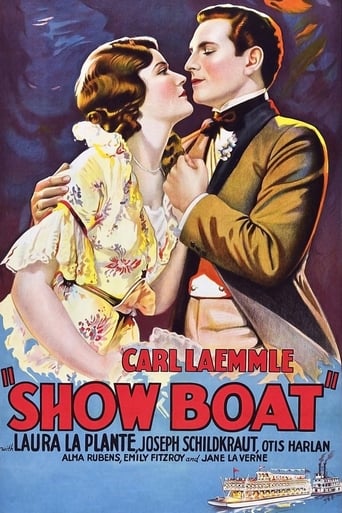
Titles linked here include Hearts in Dixie (1929), Show Boat (1929).
When was Stepin Fetchit born and when did he die?
Born May 30, 1902; died November 19, 1985.
What awards did Stepin Fetchit win?
While he did not receive major industry awards during his active career, he was posthumously inducted into the Black Filmmakers Hall of Fame in 1978 and received the NAACP Image Award Hall of Fame in 1976. He also received a star on the Hollywood Walk of Fame in 1960.
What was Stepin Fetchit's acting style?
His acting style featured extremely slow movements, exaggerated laziness, and a unique drawling speech pattern. This carefully crafted persona appealed to white audiences' stereotypes while allowing Perry to achieve unprecedented success for a Black actor of his era.
Why is Stepin Fetchit controversial?
He is controversial because his character perpetuated harmful stereotypes of African Americans as lazy and simple-minded. Civil rights leaders criticized his work for reinforcing racist caricatures, though some modern scholars argue his performances contained elements of subversion.
How much money did Stepin Fetchit make?
At the peak of his career in the 1930s, Perry earned up to $3,500 per week and became the first Black actor to earn a million dollars. However, he lost his fortune through poor investments and lavish spending, filing for bankruptcy in 1947.