James Eagles
Actor
Born: August 24, 1907 in Norfolk, Virginia, USA Died: August 15, 1959 Active: 1930-1943 Birth Name: James C. Eagles
Films
1 film
About James Eagles
Prolific American character actor of the early sound era, particularly active during the Pre-Code period of the 1930s. Born in Norfolk, Virginia, in 1907, he moved to Hollywood at the dawn of the talkies and quickly found a niche playing youthful, often troubled or vulnerable characters. His career was closely linked with Warner Bros. And First National, where he appeared in several landmark social realism films and gritty urban dramas. Eagles is perhaps best remembered for his poignant performance as Tommy in the controversial 1933 film 'The Story of Temple Drake,' where he played a mentally disabled youth who meets a tragic end. Throughout the mid-1930s, he transitioned into a variety of supporting roles, ranging from jockeys to gang members, working alongside major stars like James Cagney, Richard Barthelmess, and Miriam Hopkins. Despite a steady stream of work in high-profile productions, his screen career largely tapered off by the late 1930s, though he remained a recognizable face of the era's 'forgotten youth' archetypes.
The Craft
On Screen
Eagles was known for a naturalistic and often sensitive acting style that suited the gritty social realism of the 1930s. He frequently portrayed 'the kid' or 'the victim,' utilizing a youthful appearance and an ability to project vulnerability or mental instability, most notably in his role as the 'slow' Tommy in 'The Story of Temple Drake.'
Milestones
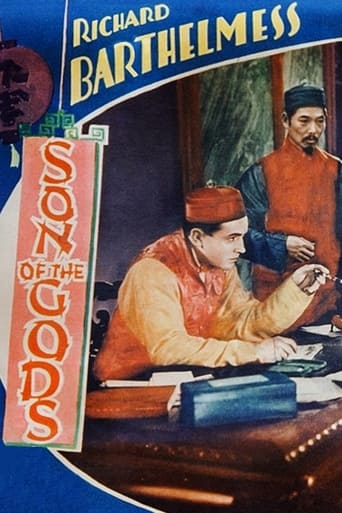
- Cast in the Richard Barthelmess vehicle 'Son of the Gods' (1930) early in his career
- Delivered a standout performance as the tragic Tommy in the Pre-Code classic 'The Story of Temple Drake' (1933)
- Appeared in 'The Public Enemy' (1931),
- Featured in William Wellman's social realism masterpiece 'Wild Boys of the Road' (1933)
- Played a jockey in the boxing drama 'The Life of Jimmy Dolan' (1933) starring Douglas Fairbanks Jr.
- Appeared in the social justice Western 'Massacre' (1934) alongside Richard Barthelmess
Best Known For
Iconic Roles
Must-See Films
Accolades
Special Recognition
- Recognized by modern film historians for his contributions to Pre-Code social realism cinema
Working Relationships
Worked Often With
Studios
Why They Matter
Impact on Culture
James Eagles served as a cinematic face for the 'lost generation' of the Great Depression. His roles in films like 'Wild Boys of the Road' and 'The Mayor of Hell' helped highlight the social issues of the time, specifically the plight of unemployed youth and the failures of the juvenile justice system. His performance in 'The Story of Temple Drake' remains a point of discussion for film scholars due to its depiction of disability and its role in the film's eventual censorship by the Hays Office.
Lasting Legacy
While not a leading man, Eagles' legacy lies in his contribution to the 'Warner Bros. Style' of the 1930s—a fast-paced, socially conscious form of filmmaking. He is remembered by classic film enthusiasts as a reliable and effective character actor who added depth to the supporting casts of some of the most important films of the early sound era.
Who They Inspired
His portrayals of vulnerable, street-wise, or troubled youths influenced the archetype of the 'juvenile delinquent' and the 'tragic sidekick' that would become staples of later film noir and social dramas.
Off Screen
James Eagles was born in Norfolk, Virginia, and maintained a relatively private life outside of his film work. He was part of the generation of young actors who arrived in Hollywood during the transition to sound, often finding themselves typecast in the 'juvenile' roles of the Great Depression era.
Education
Information regarding his formal education is not widely documented, though he likely received theatrical training before entering the film industry.
Did You Know?
- He appeared in 'The Public Enemy' (1931), though his role was uncredited, as was common for many supporting players of the time.
- His character in 'The Story of Temple Drake' was based on the character 'Tommy' from William Faulkner's novel 'Sanctuary'.
- He was often cast alongside Frankie Darro, another prominent 'tough kid' actor of the 1930s.
- Eagles appeared in several 'horse racing' films, often playing jockeys due to his slight build.
- He died at the relatively young age of 51 in Los Angeles, California.
Frequently Asked Questions
Who was James Eagles?
American character with credits in this catalog. He was a staple of Pre-Code Hollywood, often appearing in gritty social dramas and gangster films for Warner Bros. And Paramount.
What are James Eagles' most famous films?
He is best known for his roles in 'The Story of Temple Drake' (1933), 'Wild Boys of the Road' (1933), 'The Public Enemy' (1931), and 'The Petrified Forest' (1936).
When was James Eagles born and when did he die?
Born August 24, 1907; died August 15, 1959.
What was James Eagles' typical acting role?
He was frequently cast as youthful, vulnerable, or troubled characters. He often played jockeys, younger brothers, or tragic figures in urban dramas.
Did James Eagles win any awards?
As a character actor in the early sound era, Eagles did not receive major individual awards, but he appeared in several films that are now considered cinematic masterpieces.