Films
1 film
About Francisco Santos
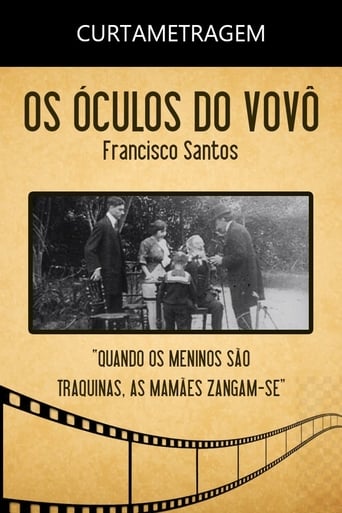
Brazilian filmmaker who emerged during the earliest days of cinema in Brazil. His sole known directorial work, 'Os Óculos do Vovô' (Grandpa's Glasses) from 1913, places him among the first generation of Brazilian directors working in the silent era. While little is documented about his broader career, this single film suggests he was part of the nascent Brazilian film industry that was developing alongside international cinema movements. His work came during a period when Brazil was establishing its own cinematic identity separate from European and American influences. The film itself represents the comedic and family-oriented storytelling that characterized early Brazilian cinema. Though his filmography appears limited to this one production, Santos contributed to the foundation of Brazilian filmmaking during its formative years. His brief but significant appearance in cinema history coincides with the transition from actualités to narrative filmmaking in Brazil.
The Craft
Behind the Camera
Early silent era comedic storytelling, likely influenced by European cinematic traditions of the period
Milestones
- Directed 'Os Óculos do Vovô' (1913), one of the earliest narrative films in Brazilian cinema history
Best Known For
Must-See Films
Accolades
Special Recognition
- Recognized as an early pioneer of Brazilian cinema
Working Relationships
Studios
Why They Matter
Impact on Culture
Francisco Santos represents the foundational period of Brazilian cinema, when local filmmakers were first establishing a national film identity. His work 'Os Óculos do Vovô' contributes to our understanding of how Brazilian cinema developed its unique voice in the silent era. Though only one film survives as evidence of his work, it serves as an important artifact of early Brazilian storytelling on screen. The film's focus on family comedy reflects cultural values and entertainment preferences of Brazilian audiences in the 1910s. Santos and his contemporaries laid the groundwork for future generations of Brazilian filmmakers who would eventually gain international recognition.
Lasting Legacy
As one of Brazil's earliest film directors, Francisco Santos' legacy lies in his contribution to the establishment of Brazilian cinema during its infancy. While his name may not be widely known today, his work represents the spirit of early Brazilian filmmakers who worked with limited resources and technology. 'Os Óculos do Vovô' stands as proof of the creative efforts of Brazil's first generation of directors. His brief appearance in film history highlights the challenges of preserving early cinema, particularly from countries like Brazil where many early films have been lost. Santos represents the countless anonymous pioneers who helped build national cinema industries worldwide.
Who They Inspired
Due to the limited documentation of his work and the scarcity of surviving films from this period, it's difficult to trace Francisco Santos' direct influence on later Brazilian filmmakers. However, as part of the first wave of Brazilian directors, he contributed to establishing a tradition of local filmmaking that would influence generations to come. Early Brazilian cinema, including work by directors like Santos, helped create a foundation upon which later movements such as Cinema Novo would build. His focus on family-oriented comedy may have influenced the development of popular Brazilian film genres that continue to this day.
Off Screen
Very little is documented about Francisco Santos' personal life, which is common for filmmakers from this extremely early period of cinema history in Brazil. Records from the 1910s Brazilian film industry are scarce, making it difficult to piece together comprehensive biographical information about individual filmmakers from this era.
Did You Know?
- 'Os Óculos do Vovô' (1913) translates to 'Grandpa's Glasses' in English
- Francisco Santos was active during the very early days of Brazilian cinema, less than 20 years after the invention of motion pictures
- His film came out during Brazil's Belle Époque period, a time of significant cultural development in the country
- 1913 was the same year that major Hollywood studios were beginning to form in the United States
- Early Brazilian cinema of this period often focused on comedic situations and family themes
- Very few films from Brazil's 1910s cinema survive today, making Santos' work particularly rare
- Brazil was one of the first countries in Latin America to develop a national film industry
- Silent films in Brazil during this period were often accompanied by live music and sound effects
Frequently Asked Questions
Who was Francisco Santos?
Early Brazilian on YTB.my. He was among the first generation of filmmakers working in Brazil's nascent cinema industry during the 1910s.
What films is Francisco Santos best known for?
Titles linked here include Os Óculos do Vovô (1913).
When was Francisco Santos born and when did he die?
Unfortunately, specific birth and death dates for Francisco Santos are not documented in available historical records, which is common for filmmakers from Brazil's early cinema period. We know he was active as a director in 1913.
What awards did Francisco Santos win?
No awards or nominations are documented for Francisco Santos, which is typical for filmmakers from the 1910s when formal award systems for cinema had not yet been established, particularly in Brazil.
What was Francisco Santos' directing style?
Based on his known work 'Os Óculos do Vovô,' Santos appeared to work in the comedic genre typical of early Brazilian silent cinema. His style likely reflected the storytelling conventions of the period, focusing on family situations and humorous scenarios.
Why is Francisco Santos important to Brazilian cinema history?
Francisco Santos is important as one of Brazil's directors who helped establish the foundation of Brazilian cinema during its formative years. His work represents the early efforts to create a national film identity in Brazil during the silent era.