
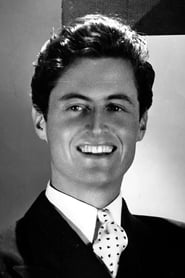
Robert Clampett
Director
Born: May 8, 1913 in San Diego, California, USA Died: May 2, 1984 Active: 1931-1984 Birth Name: Robert Emerson Clampett
Films
4 films
About Robert Clampett
Robert Emerson 'Bob' Clampett — American animator, director, producer, and puppeteer who revolutionized animation during the Golden Age of Hollywood. Born in San Diego in 1913, Clampett began his career at Warner Bros. Animation studio at just 18 years old, quickly rising through the ranks to become one of the studio's most creative and controversial directors. During his tenure at Warner Bros. From 1931 to 1946, he directed over 84 animated shorts and created several characters including Tweety Bird, who debuted in 'A Tale of Two Kitties' (1942). His animation style was characterized by wild, surreal gags, exaggerated character designs, and a willingness to push boundaries of what was considered acceptable in family entertainment. After leaving Warner Bros., Clampett formed his own production company and created the immensely popular puppet show 'Time for Beany' (1949-1954), which later evolved into the animated series 'Beany and Cecil' (1962). His influence extended beyond his own work, mentoring future animation legends and helping establish the irreverent, self-referential style that would define American animation. Clampett's over five decades, during which he consistently challenged conventions and expanded the artistic possibilities of animation as a medium.
The Craft
Behind the Camera
Clampett's directing style was characterized by extreme visual gags, surreal imagery, exaggerated character animation, and a willingness to push boundaries of good taste. He pioneered techniques like 'smear animation' for exaggerated motion, used rapid-fire pacing, and incorporated contemporary pop culture references. His work often featured breaking the fourth wall, meta-humor, and self-referential jokes that influenced generations of animators.
Milestones
- Started at Warner Bros. Animation studio at age 18 (1931)
- Directed first Warner Bros. Cartoon 'The Hep Cat' (1942)
- Created Tweety Bird character in 'A Tale of Two Kitties' (1942)
- Directed 'Porky in Wackyland' (1938), considered one of the greatest animated shorts ever made
- Left Warner Bros. To form Clampett Productions (1946)
- Created 'Time for Beany' puppet show (1949)
- Launched 'Beany and Cecil' animated series (1962)
- Received Winsor McCay Award for lifetime achievement (1975)
Best Known For
Iconic Roles
Must-See Films
Accolades
Won
- Winsor McCay Award (1975)
- Annie Award for Lifetime Achievement (posthumous, 1985)
- Inkpot Award (1974)
Nominated
- Academy Award nomination for Best Animated Short Film - 'Naughty But Mice' (1939)
- Academy Award nomination for Best Animated Short Film - 'The Sour Puss' (1940)
Special Recognition
- Hollywood Walk of Fame star (1994, posthumous)
- Inducted into the Television Hall of Fame (1986, posthumous)
- Animation Guild's Golden Award (1984)
- Multiple films preserved in the National Film Registry
Working Relationships
Worked Often With
Studios
Why They Matter
Impact on Culture
Robert Clampett fundamentally changed the course of American animation by introducing surrealism, adult humor, and self-referential comedy to cartoons. His work at Warner Bros. Helped establish the irreverent, gag-driven style that would define the Looney Tunes franchise for generations. Clampett's 'Porky in Wackyland' is widely regarded as. His creation of 'Time for Beany' introduced sophisticated satire and political commentary to children's television, attracting adult viewers including Albert Einstein and Groucho Marx. The show's success proved that puppet animation could compete with traditional animation and live-action programming. Clampett's willingness to tackle controversial subjects and push against censorship helped expand the artistic possibilities of animation as a medium for all audiences.
Lasting Legacy
Robert Clampett's legacy endures through the continued popularity of the characters he created and the animators he influenced. His work on Looney Tunes remains a cornerstone of American animation history, with films like 'Porky in Wackyland' studied in film schools and animation programs worldwide. The Beany and Cecil characters have experienced multiple revivals and remain cult favorites among animation enthusiasts. Clampett's innovative techniques in character design, timing, and visual storytelling continue to influence contemporary animators. His extensive collection of animation materials and historical documents helped preserve the early history of the medium. The animation community recognizes him as one of the medium's great innovators, with his work regularly featured in retrospectives and animation festivals. His approach to animation as an art form capable of sophisticated humor and adult themes paved the way for future animated works that would appeal to all ages.
Who They Inspired
Clampett's influence extends throughout animation history, directly inspiring generations of animators and directors. His surreal visual style influenced underground animators like Ralph Bakshi and the creators of 'Ren & Stimpy.' The self-referential humor he pioneered became a staple of modern animation, seen in everything from 'The Simpsons' to 'Adventure Time.' His character design principles influenced the creation of countless animated characters, particularly in the use of simplified, expressive forms. Directors like John Kricfalusi and Genndy Tartakovsky have cited Clampett as a major influence on their work. His approach to timing and exaggerated motion continues to be taught in animation schools as fundamental technique. The success of his puppet show 'Time for Beany' demonstrated the viability of alternative animation formats, influencing later puppet-based shows like 'The Muppet Show.' His work also influenced video game designers, particularly in creating surreal, impossible environments similar to Wackyland.
Off Screen
Robert Clampett was married twice during his lifetime. His first marriage was to Mildred 'Milly' Hovious, with whom he had two children, Cherie and Bob Jr. After their divorce, he married his second wife, Sody Clampett, who became his creative collaborator, particularly on the Beany and Cecil projects. Clampett was known for his boundless energy and creative enthusiasm, maintaining friendships with many animation contemporaries despite some professional rivalries. He was an avid collector of animation memorabilia and historical materials, which he used to help preserve the history of the medium.
Education
Attended Otis Art Institute and Los Angeles City College; largely self-taught in animation through practical experience at studios
Family
- Mildred 'Milly' Hovious (1937-1950)
- Sody Clampett (1951-1984)
Did You Know?
- Started his animation career at age 18 after winning a cartoon drawing contest
- Created Tweety Bird's original design, though the character was later refined by Friz Freleng
- His cartoon 'Coal Black and de Sebben Dwarfs' (1943) is now considered. Cartoons
- Albert Einstein was reportedly a fan of 'Time for Beany' and would rearrange his schedule to watch it
- His cartoon 'Porky in Wackyland' was selected for preservation in the National Film Registry in 2000
- Clampett was one of the first animators to give interviews about the animation process, helping to educate the public about the medium
- He was an early pioneer in using animation for television, adapting his techniques for the smaller screen
- His daughter Cherie voiced Cecilia in the original 'Time for Beany' puppet show
- Clampett — avid collector and preservationist of early animation materials
- He created one of the first animation fan clubs, 'The Clampett Club,' in the 1930s
- His studio was one of the first to use computer-assisted animation in the early 1980s
In Their Own Words
Animation can explain whatever the mind of man can conceive. This facility makes it the most versatile and explicit means of communication yet devised for quick mass appreciation.
I don't make cartoons for children. I make them for myself, and the kids happen to like them too.
The secret of good animation is not in the drawing, but in what happens between the drawings.
If you can make them laugh, you can make them think.
Every frame should be a work of art, but the art must serve the story and the gag.
Frequently Asked Questions
Who was Robert Clampett?
American animator, on YTB.my. During the Golden Age of Animation. He created iconic characters like Tweety Bird and later developed the popular 'Beany and Cecil' franchise, becoming known for his wild, surreal animation style and innovative approach to cartoon comedy.
What films is Robert Clampett best known for?
Titles linked here include Porky in Wackyland (1938), A Tale of Two Kitties (1942).
When was Robert Clampett born and when did he die?
Born May 8, 1913; died May 2, 1984.
What awards did Robert Clampett win?
Clampett received the Winsor McCay Award for lifetime achievement in 1975, the Inkpot Award in 1974, and was posthumously awarded an Annie Award for Lifetime Achievement in 1985. He also received a star on the Hollywood Walk of Fame in 1994 and was inducted into the Television Hall of Fame in 1986.
What was Robert Clampett's directing style?
Clampett's directing style was characterized by extreme visual gags, surreal imagery, rapid pacing, and exaggerated character animation. He pioneered techniques like smear animation, broke the fourth wall, incorporated contemporary references, and pushed boundaries with adult humor and self-referential comedy that influenced generations of animators.