


Wacky Blackout
"Farm animals mobilize for the war"
Keys: Space play/pause · ←/→ 10s · F fullscreen · M mute · </> speed
About this film
We tour a farm and see how the various animals are preparing for the war, in a series of blackout skits.
Cast & crew
More films like this

More Animation films
View all →



More from Robert Clampett
View all →
More about this film
About the production
Release dateMay 9, 1942
ProductionLeon Schlesinger Productions, Warner Bros. Pictures
Filmed inHollywood, California
Directed by Robert Clampett during his peak creative period at Warner Bros. The cartoon was part of the studio's wartime propaganda efforts, using humor to promote compliance with blackout regulations. The animation team included many of Clampett's regular collaborators, with Carl Stalling handling the musical score. The film was produced quickly to meet the studio's quota of wartime-themed cartoons.
Themes
Themes & topics
Historical background
Made in 1942, Wacky Blackout reflects production norms of World War II and immediate postwar filmmaking—shorter runtimes, regional audiences, and limited preservation infrastructure.
Why this film matters
Historians reference Wacky Blackout (1942) when discussing 1942 film.
Making of
Robert Clampett directed this cartoon during what many consider his most creative period at Warner Bros., where he developed his signature style of surreal, energetic animation. The production team worked under tight deadlines typical of the studio's system, producing approximately one cartoon every six weeks. The voice recording sessions would have been quick affairs, with Mel Blanc often voicing multiple characters in a single session. The animators, many of whom would later become famous in their own right, worked under Clampett's guidance to create the exaggerated gags and character movements. The wartime theme meant the cartoon had to balance entertainment with propaganda elements, a challenge Clampett and his team met by keeping the tone light and humorous while still delivering the blackout compliance message.
What critics said
Where contemporary reviews survive, Wacky Blackout is discussed in terms of audience appeal at release; later criticism often reframes it through archive restoration and festival programming.
Did you know?
- This was one of many Warner Bros. cartoons produced during World War II that incorporated wartime themes and propaganda elements.
- Robert Clampett was known for his surreal and wild animation style, which is particularly evident in this short's blackout gags.
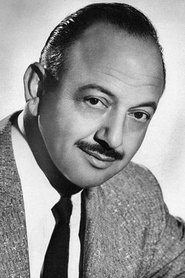
- The cartoon features Mel Blanc in multiple voice roles, showcasing his incredible range as a voice actor.
- Sara Berner, who provided voices for this cartoon, was one of the few women regularly working in voice acting for animated shorts during this era.
- Kent Rogers, another featured voice actor, died tragically young in a military training accident in 1944, making his performances in these wartime cartoons particularly poignant.
- The blackout theme was directly relevant to American audiences in 1942, as coastal cities regularly conducted blackout drills to prevent enemy ships from targeting them.
- This cartoon was released just a few months after the United States entered World War II following the attack on Pearl Harbor.
- The farm setting allowed Clampett to use his trademark exaggerated animal characters while still delivering the wartime message.
- Like many wartime cartoons, this short was likely distributed internationally as part of American cultural diplomacy efforts.
- The cartoon's title plays on both the wartime blackout theme and Clampett's reputation for 'wacky' animation.
Visual style
As an animated short, the 'cinematography' refers to the animation techniques and visual style employed. Clampett was known for his dynamic camera movements, exaggerated character expressions, and surreal visual gags. The cartoon features the classic Warner Bros. animation style of the early 1940s, with bold colors, fluid character movement, and expressive animation. The blackout theme allowed for creative use of light and shadow, with dramatic contrasts between illuminated and dark scenes. The animation team would have used traditional cel animation techniques, with each frame hand-drawn and painted.
Innovations
While not groundbreaking in technical terms, this cartoon represents the high level of craftsmanship achieved by Warner Bros. animation studio during its golden age. The animation demonstrates the studio's mastery of character animation, timing, and visual storytelling. The effective use of lighting effects to simulate blackout conditions shows technical skill in creating mood and atmosphere through animation. The seamless integration of voice work, music, and animation reflects the sophisticated production methods Warner Bros. had developed by the early 1940s.
Music
The musical score was composed by Carl Stalling, Warner Bros.' musical director who was responsible for the soundtracks of most Looney Tunes and Merrie Melodies cartoons of this era. Stalling was known for his innovative use of popular songs, classical music, and original compositions to enhance the on-screen action. The soundtrack likely included patriotic tunes and wartime-themed music alongside Stalling's usual comedic musical cues. The sound effects and voice work were integrated with the music to create the full audio experience typical of Warner Bros. cartoons.
Famous quotes
It's blackout time, folks!
Every light must be out!
We're doing our part for the war effort!
Memorable scenes
- The opening sequence introducing the farm setting and its animal residents preparing for war
- The blackout drill scene where animals scramble to extinguish all lights
- The various animal-specific gags showing how different species adapt to blackout conditions
What audiences thought
Contemporary audiences in 1942 would have found the blackout themes immediately relevant and relatable, as many were participating in actual blackout drills. The humor and familiar Looney Tunes style would have made the wartime message more palatable. The cartoon likely served as both entertainment and reinforcement of proper blackout behavior. Modern audiences viewing the cartoon today appreciate it as a historical artifact that provides insight into American home front life during World War II. Animation enthusiasts and historians value it as an example of Clampett's directorial style and wartime animation production.
Film connections
Influenced by
- Warner Bros. propaganda efforts
- Office of War Information guidelines
- Contemporary blackout drills
- Previous farm-themed cartoons
This film influenced
- Other wartime Warner Bros. cartoons
- Later propaganda animations
Film restoration
Preserved in the Warner Bros. film archives and likely held by the Library of Congress as part of the Warner Bros. collection. The cartoon has been released on various home video collections and is available through digital platforms.
Where to watch
- Warner Bros. Home Video collections
- Classic animation streaming services
- Public domain archives (if applicable)
- Film archives and libraries