
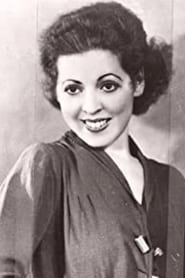
Sara Berner
Actor
Born: January 12, 1912 in Albany, New York, USA Died: December 13, 1969 Active: 1937-1958 Birth Name: Sarah Berner
Films
7 films

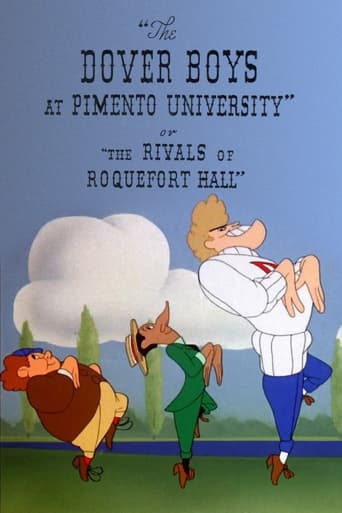
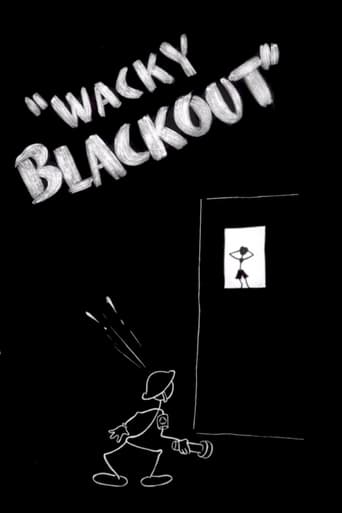

About Sara Berner
Voice actress and character performer who became recognizable female voices in Golden Age animation. Beginning her career in radio during the 1930s, she transitioned to voice work for Warner Bros. Cartoons in the early 1940s, where her remarkable vocal versatility allowed her to portray everything from elderly women to young children. Her distinctive voice could be heard in numerous Merrie Melodies and Looney Tunes shorts, where she often provided multiple character voices in a single cartoon. Beyond animation, Berner built a successful career in live-action films, appearing in classics like 'The Big Sleep' and 'A Letter to Three Wives,' while continuing her prolific radio work on shows such as 'The Jack Benny Program.' Her ability to create memorable characters through voice alone made her sought-after voice actresses of her era, working not just for Warner Bros. But also for MGM and other animation studios. Despite her significant contributions to early animation and radio, her career was relatively short-lived, as health issues forced her to retire in the late 1950s. Berner's legacy lives on through her voice performances that continue to entertain audiences through classic cartoon reruns.
The Craft
On Screen
Known for her incredible vocal range and character versatility, Berner could seamlessly switch between voices of different ages, genders, and personalities within a single performance. Her voice work was characterized by its warmth, comedic timing, and ability to create distinct character personalities through vocal inflection alone. In live-action roles, she specialized in playing wisecracking secretaries, maids, and comedic supporting characters with a distinctive New York accent and sharp delivery.
Milestones
- Became the primary female voice for Warner Bros. Cartoons in the early 1940s
- Provided voices for over 100 animated shorts across major studios
- Regular cast member on 'The Jack Benny Program' radio show
- Appeared in Academy Award-nominated film 'A Letter to Three Wives' (1949)
- Voiced the iconic 'Canary Row' character Granny
- Worked extensively with animation directors Tex Avery and Friz Freleng
Best Known For
Iconic Roles
Must-See Films
Accolades
Special Recognition
- Posthumously recognized as a voice actress in animation history
- Featured in animation history retrospectives for her contributions to Golden Age cartoons
Working Relationships
Worked Often With
Studios
Why They Matter
Impact on Culture
Sara Berner played a crucial role in establishing voice acting as a respected profession during the Golden Age of Hollywood animation. As one of the few prominent female voice actors in an industry dominated by men like Mel Blanc, she broke barriers and demonstrated that women could excel in voice characterization. Her work helped define the sound of classic Warner Bros. Cartoons, creating memorable characters that became part of American popular culture. Beyond animation, her radio work on 'The Jack Benny Program' made her a household name and showcased how voice actors could become stars in their own right. Her ability to create distinct personalities through voice alone influenced the entire field of voice acting and set standards for character vocalization that continue to be studied by voice actors today.
Lasting Legacy
Sara Berner's legacy endures through the timeless cartoons she helped bring to life, which continue to entertain new generations of viewers. As a female voice actress, she paved the way for future women in the field and demonstrated the artistic possibilities of voice characterization. Her performances in classic films like 'The Big Sleep' and 'A Letter to Three Wives' also cement her place in Hollywood history as a versatile character actress. Animation historians frequently cite her as an example of early voice acting excellence, and her work is studied by voice actors seeking to understand character vocalization techniques. Though she never received major awards during her lifetime, her contributions have been recognized in retrospectives on Golden Age animation and radio history.
Who They Inspired
Berner's influence can be seen in the work of subsequent generations of voice actresses who followed in her footsteps. Her technique of creating multiple distinct voices within a single performance became a standard practice in animation voice acting. Her success in both animation and live-action demonstrated the versatility that voice actors could achieve, inspiring many to pursue careers across different media. The natural, character-driven approach she brought to voice work, avoiding caricature in favor of authentic character creation, influenced how voice acting developed as an art form. Many modern voice actresses cite early pioneers like Berner as inspirations for proving that women could excel in voice characterization roles beyond traditional female stereotypes.
Off Screen
Sara Berner was known to be a private person who rarely discussed her personal life in public. She never married and had no children, dedicating her life entirely to her craft. Throughout her career, she maintained close friendships with many radio and film colleagues, though she preferred to keep her romantic relationships out of the public eye. In her later years, she struggled with health issues that eventually forced her retirement from entertainment. She spent her final years living quietly in New York City, away from the Hollywood spotlight.
Education
Limited information available about her formal education, though she likely received training in voice and acting for her radio and film career
Did You Know?
- Could voice up to 8 different characters in a single cartoon short
- Never received screen credit for most of her voice work in Warner Bros. Cartoons
- Was one of the few women to have a regular role on 'The Jack Benny Program'
- Her voice range was so versatile that audiences often didn't realize the same actress voiced multiple characters
- Worked alongside Mel Blanc on numerous cartoons, creating some of animation's most memorable character interactions
- Appeared in over 50 films during her career, though often in uncredited roles
- Was known for her ability to ad-lib and improvise during radio recordings
- Retired from show business due to health issues in the late 1950s
- Her voice can be heard in cartoons that won Academy Awards for Best Animated Short Film
- Despite her prolific career, she never gave a formal interview about her voice acting techniques
In Their Own Words
Voice acting isn't about changing your voice, it's about finding the character's voice within you.
In radio, your voice is everything. In cartoons, your voice becomes the character's soul.
The best voices aren't the ones you notice, but the ones that make you believe in the character.
Frequently Asked Questions
Who was Sara Berner?
American voice actress and character performer best known for her work in Warner Bros. Cartoons during the 1940s and her regular role on 'The Jack Benny Program' radio show. She was.
What films is Sara Berner best known for?
Titles linked here include Pantry Panic (1941), Farm Frolics (1941).
When was Sara Berner born and when did she die?
Born January 12, 1912; died December 13, 1969.
What awards did Sara Berner win?
While Sara Berner did not receive major formal awards during her lifetime, she has been posthumously recognized as a voice actress in animation history and is frequently cited in retrospectives about Golden Age animation and radio.
What was Sara Berner's acting style?
Berner was known for her incredible vocal versatility, able to create distinct character voices ranging from elderly women to young children. Her voice work emphasized natural character creation over caricature, with exceptional comedic timing and emotional range that brought animated characters to life.