Mattie Do
Director
Born: 1970s (exact date not publicly available) in United States Active: 2012-present
Films
1 film
About Mattie Do
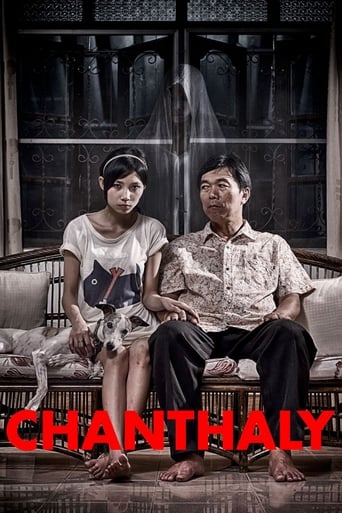
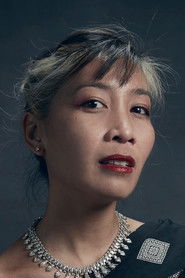
Mattie Do is a Lao-American film director who made history as Laos' first female film director. Born in the United States to Laotian refugees who fled after the Secret War, she moved to Laos as an adult and became interested in filmmaking. Her directorial debut 'Chanthaly' (2012) was significant not only as the first horror film produced in Laos but also as a milestone for women in the country's film industry. Do's work often explores themes of cultural identity, tradition versus modernity, and the supernatural within Laotian context. She continued her filmmaking career with 'Dearest Sister' (2016), which became the first Laotian film submitted for Oscar consideration in the Foreign Language Film category. Her films have been screened at international festivals including Sundance, Berlin, and Toronto, bringing unprecedented attention to Laotian cinema on the global stage.
The Craft
Behind the Camera
Mattie Do's directing style blends supernatural horror elements with social commentary, focusing on themes relevant to contemporary Laotian society. She employs atmospheric tension and psychological horror rather than relying on jump scares, often exploring the intersection of traditional beliefs and modern challenges. Her visual aesthetic emphasizes the natural landscapes and urban environments of Laos, using them as integral elements of her storytelling. Do's approach to horror is distinctly cultural, incorporating Laotian folklore and spiritual traditions while addressing issues of gender, class, and cultural identity.
Milestones
- Directed Laos' first horror film 'Chanthaly' (2012)
- Became Laos' first female film director
- 'Dearest Sister' (2016) first Laotian film submitted for Oscar consideration
- Films screened at major international festivals including Sundance and Berlin
Best Known For
Must-See Films
Accolades
Won
- Best Director at the Asian Pacific Screen Awards (2016) for 'Dearest Sister'
Nominated
- Academy Award submission for Best Foreign Language Film (2017) for 'Dearest Sister'
Special Recognition
- Pioneer recognition as Laos' first female film director
- International festival selections at Sundance, Berlin, Toronto, and Venice
Working Relationships
Worked Often With
Studios
Why They Matter
Impact on Culture
Mattie Do has had a transformative impact on Laotian cinema and culture, essentially putting Laos on the international film map. As the country's first female film director, she has broken significant gender barriers in a traditionally conservative society. Her films have introduced global audiences to Laotian culture, stories, and perspectives that were previously underrepresented in world cinema. Do's success has inspired a new generation of Laotian filmmakers and demonstrated that stories from Laos can resonate internationally. Her work has also contributed to important conversations about Laos' history, particularly regarding the aftermath of the Secret War and the experiences of the Laotian diaspora.
Lasting Legacy
Mattie Do's legacy extends beyond her individual films to her role as a pioneer for Laotian cinema. She has established a template for how Laotian stories can be told with both cultural authenticity and international appeal. Her films have become reference points for discussions about Southeast Asian cinema and the possibilities for filmmaking in developing countries with limited film infrastructure. Do's success at major international festivals has opened doors for other Laotian filmmakers and attracted attention to the country's potential as a filming location and creative hub. Perhaps most importantly, she has created a body of work that preserves and explores Laotian cultural identity through the medium of cinema.
Who They Inspired
Mattie Do has influenced filmmakers across Southeast Asia, particularly women working in male-dominated film industries. Her approach to genre filmmaking that incorporates local cultural elements has inspired other directors to explore their own cultural traditions through popular genres. Do has demonstrated that it's possible to create internationally successful films while maintaining cultural specificity, influencing how emerging filmmakers think about balancing local and global audiences. Her success has also encouraged international film festivals and distributors to look more closely at cinema from Laos and other underrepresented countries in Southeast Asia.
Off Screen
Mattie Do was born in the United States to Laotian parents who were refugees following the Secret War in Laos. She spent her early years in America before relocating to Laos as an adult, where she discovered her passion for filmmaking. Do is married to Christopher Larsen, who frequently collaborates with her as a screenwriter and producer. The couple works together on most of her film projects, with Do directing and Larsen handling writing duties. Their partnership has been instrumental in developing the nascent Laotian film industry.
Education
Educational background details not publicly available, though she has mentioned studying film independently and learning through practical experience
Family
- Christopher Larsen (married, ongoing collaboration)
Did You Know?
- 'Chanthaly' was the first horror film ever produced in Laos
- She is the first and only female film director from Laos as of 2023
- Her film 'Dearest Sister' was the first Laotian film ever submitted for Academy Award consideration
- Do learned filmmaking through self-study and practical experience rather than formal film school
- Her films often feature strong female protagonists challenging traditional gender roles
- She moved to Laos in her 30s after spending her early life in the United States
- Her husband Christopher Larsen co-writes all her films despite not speaking Lao fluently
- She often incorporates elements of Laotian folklore and spiritual beliefs into her horror films
- Do has stated that she faces challenges due to Laos' limited film infrastructure and small pool of trained crew
- Her films have been used in academic settings to study Southeast Asian cinema and post-war Laotian culture
In Their Own Words
I want to show that Laos has stories to tell, and we can tell them in our own way.
Horror is a great genre to explore social issues because it allows you to say things that might be difficult to say directly.
Being the first female director in Laos comes with responsibility, but it's also an opportunity to open doors for others.
Film can be a way to preserve culture and also question it at the same time.
Making films in Laos is challenging, but it's also rewarding because we're building something from scratch.
Frequently Asked Questions
Who is Mattie Do?
Mattie Do is a Lao-American film director who made history as Laos' first female film director. She is known for directing 'Chanthaly' (2012), the first horror film produced in Laos, and 'Dearest Sister' (2016), which was the first Laotian film submitted for Oscar consideration.
What films is Mattie Do best known for?
Mattie Do is best known for 'Chanthaly' (2012), Laos' first horror film; 'Dearest Sister' (2016), which received Oscar submission consideration; and 'The Long Walk' (2019), which premiered at the Venice Film Festival.
When was Mattie Do born?
Mattie Do was born in the 1970s in the United States to Laotian refugee parents, though her exact birth date is not publicly available. She moved to Laos as an adult in her 30s.
What awards has Mattie Do won?
Mattie Do won Best Director at the Asian Pacific Screen Awards in 2016 for 'Dearest Sister'. Her films have also been selected for prestigious festivals including Sundance, Berlin, Toronto, and Venice.
What is Mattie Do's directing style?
Mattie Do's directing style blends supernatural horror with social commentary, using atmospheric tension and psychological elements rather than jump scares. She incorporates Laotian folklore and cultural traditions while addressing contemporary issues of gender, class, and identity.
Why is Mattie Do significant to Laotian cinema?
Mattie Do is significant to Laotian cinema as the country's first female film director and the creator of its first horror film. Her international success has put Laos on the global cinema map and inspired a new generation of Laotian filmmakers.
What themes does Mattie Do explore in her films?
Mattie Do's films explore themes of cultural identity, tradition versus modernity, gender roles, and the supernatural within Laotian context. She often addresses the aftermath of the Secret War and the experiences of the Laotian diaspora through genre storytelling.