
Films
2 films
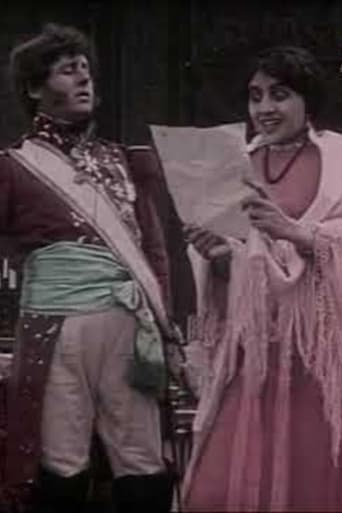
About Giovanni Pezzinga
Italian actor who worked during the days of cinema, appearing in films during the silent era of 1912. His career, though brief, coincided with the golden age of Italian silent film production, when Italy was one of the world's leading film-producing nations. Pezzinga appeared in at least two notable productions in 1912, including an early adaptation of Shakespeare's Romeo and Juliet and a historical drama about political intrigue during the Napoleonic era. His work represents the early development of Italian cinema, which was known for its spectacular historical epics and literary adaptations during this period. Like many actors of this era, Pezzinga likely came from a theatrical background, transitioning from stage to the new medium of motion pictures. His filmography, though limited, places him among the early pioneers of Italian cinema who helped establish the foundations of the country's film industry.
The Craft
Milestones
- Appeared in Romeo e Giulietta (1912), one of the earliest film adaptations of Shakespeare's work
- Starred in Una congiura contro Murat (1912), a historical drama from Italy's early cinema period
- Participated during the peak of Italian silent film production
Best Known For
Must-See Films
Why They Matter
Impact on Culture
Giovanni Pezzinga's contribution to cinema, though modest in scope, represents the foundational period of Italian film history. His participation in early adaptations like Romeo e Giulietta demonstrates how quickly filmmakers recognized the potential of cinema to bring classic literature to moving pictures. During 1912, Italy was producing some of the world's most ambitious and technically sophisticated films, and actors like Pezzinga were part of this revolutionary artistic movement that established cinema as a legitimate art form. His work in historical dramas like Una congiura contro Murat reflects the Italian cinema's early specialization in grand historical epics that would influence filmmakers worldwide.
Lasting Legacy
As an actor from the dawn of cinema, Giovanni Pezzinga's legacy is preserved through the surviving films from 1912 that represent some of the earliest examples of Italian cinematic art. His appearances in these productions place him among the pioneers who helped establish the acting techniques and performance styles specific to silent film. While not a major star like some of his contemporaries, his work contributes to our understanding of how early Italian cinema developed and the types of performers who populated these groundbreaking films. These early films are historically significant as they show the evolution of cinematic storytelling and acting in the medium's formative years.
Who They Inspired
Due to the limited scope of his documented career and the scarcity of records from this early period, specific details about Giovanni Pezzinga's influence on other actors or filmmakers are not well documented. However, as part of the early Italian film industry, he contributed to the development of acting techniques specific to silent cinema that would influence generations of performers. The films he appeared in, particularly literary adaptations, helped establish precedents for how classic works could be translated to the screen, influencing countless future adaptations.
Off Screen
Very little is documented about Giovanni Pezzinga's personal life, which is typical for actors from the very early silent era when film performers were not yet considered celebrities and detailed records were not maintained.
Did You Know?
- Giovanni Pezzinga's entire known filmography consists of just two films, both released in 1912
- Romeo e Giulietta (1912) was one of the earliest film adaptations of Shakespeare's famous tragedy
- 1912 was considered a peak year for Italian silent film production, with the country being a world leader in cinema
- Una congiura contro Murat deals with historical events surrounding Joachim Murat, King of Naples during the Napoleonic era
- Actors from this period often came from theatrical backgrounds and had to adapt their acting styles for the new medium of film
- Early Italian cinema was known for its elaborate sets and costumes, particularly in historical dramas
- Many films from this era are now lost, making surviving works particularly valuable to film historians
- The film industry in 1912 was still establishing many conventions that would become standard in cinema
Frequently Asked Questions
Who was Giovanni Pezzinga?
Italian silent film with credits in this catalog.
What films is Giovanni Pezzinga best known for?
Titles linked here include Romeo e Giulietta (1912), Una congiura contro Murat (1912).
When was Giovanni Pezzinga born and when did he die?
Specific birth and death dates for Giovanni Pezzinga are not documented, which is common for actors from the very early silent era when detailed records were not maintained.
What was significant about Giovanni Pezzinga's career?
His career, though brief, coincided with the golden age of Italian silent film when Italy was a world leader in cinema production, and he participated in early literary adaptations that helped establish cinematic conventions.
What was Italian cinema like in 1912?
1912 was a peak year for Italian cinema, with the country producing elaborate historical epics and literary adaptations that were technically sophisticated and influential worldwide.