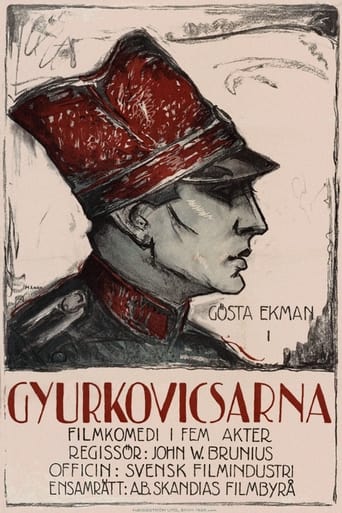
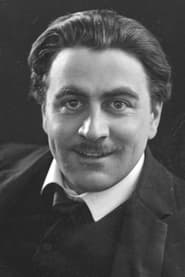
Films
1 film
About Emile Stiebel
Actor during the silent film era, known primarily for his single documented appearance in the 1920 Hungarian film 'The Gyurkovics Boys.' His career appears to have been extremely brief, with his only known film credit dating from this pivotal year in early European cinema. The film itself was part of the flourishing Hungarian film industry of the early 1920s, a period when Hungarian cinema was producing numerous notable works before facing political and economic challenges. Stiebel's involvement in this production suggests he was likely part of the European acting community during the transition from the 1910s to the 1920s, though his career did not extend into the later sound era. Like many actors from this period, particularly those with limited filmographies, detailed records of his life and career have been largely lost to time.
The Craft
Milestones
- Appeared in 'The Gyurkovics Boys' (1920)
Best Known For
Must-See Films
Why They Matter
Impact on Culture
As an actor with only one known film credit from 1920, Emile Stiebel's cultural impact was minimal and primarily limited to his contribution to early Hungarian cinema. His appearance in 'The Gyurkovics Boys' represents the collective work of countless actors who participated in the flourishing European film industry of the early 1920s, many of whom remain largely undocumented in film history. These actors, while not achieving lasting fame, formed the essential foundation upon which the golden age of cinema was built, contributing to the development of film as an art form and entertainment medium during its crucial formative years.
Lasting Legacy
Emile Stiebel's legacy is that of a typical early cinema actor whose brief career reflects the transient nature of film work in the silent era. While he did not achieve lasting fame or recognition, his contribution to 'The Gyurkovics Boys' places him among the thousands of actors who helped establish cinema as a legitimate art form during its early decades. His story illustrates how many performers from this period have been largely forgotten by film history, despite their role in creating the foundational works of cinema. His single film credit serves as a reminder of the vast number of artists who contributed to early cinema but whose names and lives have been lost to time.
Who They Inspired
Given his extremely limited filmography, Emile Stiebel did not have a documented influence on other actors or directors. His career appears to have been too brief and his role too minor to have left a lasting impression on the film industry or subsequent generations of performers.
Off Screen
Very little is known about Emile Stiebel's personal life, which is typical for many supporting actors from the silent era whose careers were brief and whose records were not extensively preserved.
Did You Know?
- Emile Stiebel's entire known film career consists of a single movie from 1920
- 'The Gyurkovics Boys' was a Hungarian silent film, suggesting Stiebel may have been part of the European film industry
- 1920 was a significant year for international cinema, marking the post-World War I recovery of European film production
- Many actors from the silent era with brief careers like Stiebel's have incomplete or lost biographical records
- The lack of information about Stiebel is typical for supporting actors from early European cinema whose careers spanned only a few years
Frequently Asked Questions
Who was Emile Stiebel?
Silent film with credits in this catalog.' His career appears to have been extremely brief, consisting of just this single documented film credit.
What films is Emile Stiebel best known for?
Titles linked here include The Gyurkovics Boys (1920).
When was Emile Stiebel born and when did he die?
Unfortunately, no birth or death information is available for Emile Stiebel, which is common for many actors from the silent era who had brief careers and limited documentation.
What awards did Emile Stiebel win?
There are no known awards or nominations for Emile Stiebel. Given his brief career consisting of only one film in 1920, he would not have been eligible for the major film awards that were established later in cinema history.
What was Emile Stiebel's acting style?
No information is available about Emile Stiebel's specific acting style. As a supporting actor in a silent film, he would have likely employed the exaggerated physical acting techniques common in early cinema before the advent of sound.