
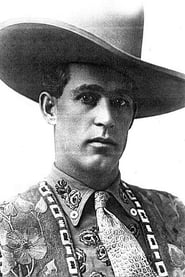
Fred Burns
Actor
Born: January 1, 1870 in New York City, New York, USA Died: May 18, 1939 Active: 1915-1939 Birth Name: Frederick N. Burns
Films
3 films
About Fred Burns
Character actor of the silent film era, specializing in Westerns and frontier dramas. Born in New York City in 1870, Burns spent his early years as a real cowboy, working on ranches throughout the American West, which provided him with authentic experience that would later inform his film performances. He entered the film industry relatively late in life, making his debut at age 45 in 1915, quickly establishing himself as a reliable presence in Hollywood Westerns. Burns became particularly known for his collaborations with Western star William S. Hart, appearing in numerous Hart productions throughout the 1910s and 1920s. His weathered appearance and natural authority made him ideal for playing sheriffs, judges, ranch owners, and other figures of authority in Western narratives. Despite his late start, Burns appeared in over 200 films during his career, transitioning successfully into sound pictures in the early 1930s. He continued working steadily until his death in 1939, leaving behind a legacy as recognizable character actors in Western cinema history.
The Craft
On Screen
Naturalistic and authentic, drawing from real cowboy experience; specialized in portraying authority figures with gravitas and authenticity; his weathered appearance and authoritative presence made him ideal for Western roles
Milestones
- Film debut in 'Martyrs of the Alamo' (1915)
- Long-standing collaboration with William S. Hart
- Appeared in over 200 films
- Successful transition from silent to sound films
- Became
Best Known For
Iconic Roles
Must-See Films
Accolades
Special Recognition
- Recognized as
- Honored in Western film historians' studies of silent era performers
Working Relationships
Worked Often With
Studios
Why They Matter
Impact on Culture
Fred Burns contributed significantly to the development of the Western film genre during its formative years. His authentic portrayal of Western authority figures helped establish many of the archetypes that would become standard in American Western cinema. As one of the few actors with genuine cowboy experience, he brought a level of realism to his performances that elevated the quality of early Western films and influenced how these characters would be portrayed for decades. His extensive filmography provides a valuable record of the evolution of Western cinema from its silent origins through the transition to sound.
Lasting Legacy
Fred Burns left an enduring legacy as. His appearances in over 200 films make him. His authentic cowboy background set a standard for realism in Western performances that influenced subsequent generations of actors. Film historians often cite Burns as an example of how real-life experience can enhance cinematic authenticity, particularly in genre films.
Who They Inspired
Burns influenced numerous Western actors who followed, particularly in how to portray authority figures with authenticity and gravitas. His naturalistic acting style, derived from real experience rather than theatrical training, helped pioneer a more realistic approach to Western performances. Younger actors often sought his advice on horsemanship and cowboy mannerisms, making him an unofficial mentor on many film sets throughout the 1920s and 1930s.
Off Screen
Fred Burns married actress Dolores Cassinelli in 1915, and they remained together until his death. He was known as a family man who maintained a stable home life despite the transient nature of early filmmaking. His experience as a real cowboy before entering films gave him a level of authenticity that few actors could match, and he often shared stories of his Western experiences with younger actors on set.
Education
Limited formal education; primarily educated through his experiences working on ranches and traveling the American West
Family
- Dolores Cassinelli (1915-1939)
Did You Know?
- Was a real cowboy for over 20 years before entering films at age 45
- Appeared in more than 200 films during his 24-year career
- Was married to actress Dolores Cassinelli, who appeared in many of his films
- Often served as an unofficial technical advisor for Western productions due to his real cowboy experience
- His first film appearance was in 'Martyrs of the Alamo' (1915) when he was already 45 years old
- Worked with virtually every major Western star of the silent era
- Was known for his ability to ride horses and perform his own stunts well into his 60s
- His weathered face and authentic appearance made him a natural for Western character roles
- Continued working steadily through the transition from silent to sound films
- Died just as he was completing work on his final film in 1939
In Their Own Words
I've been a cowboy longer than I've been an actor, and I reckon I know more about the West than most of these Hollywood fellows who've never seen a real ranch.
In pictures, you don't have to act when you've actually lived the life they're showing on screen.
Frequently Asked Questions
Who was Fred Burns?
American character with credits in this catalog. With over 200 film appearances between 1915-1939, he was known for playing authority figures like sheriffs and judges, bringing authenticity from his real cowboy experience to his roles.
What films is Fred Burns best known for?
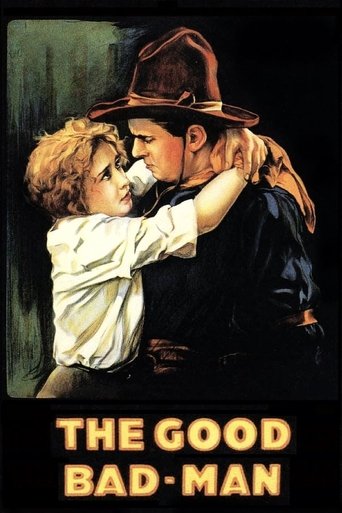
Titles linked here include Martyrs of the Alamo (1915), The Good Bad-Man (1916).
When was Fred Burns born and when did he die?
Born January 1, 1870; died May 18, 1939.
What awards did Fred Burns win?
Fred Burns did not receive major formal awards during his career, as was common for character actors in the silent era. However, he is recognized by film historians as.
What was Fred Burns's acting style?
Burns employed a naturalistic, authentic acting style derived from his real experience as a cowboy. He specialized in portraying authority figures with gravitas and realism, avoiding theatrical exaggeration in favor of genuine performance that reflected his actual Western experience.