
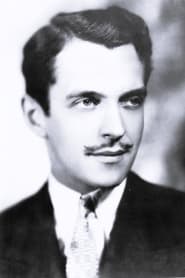
Kenneth MacKenna
Actor
Born: August 19, 1899 in Cambridge, Massachusetts, USA Died: January 15, 1962 Active: 1929-1962 (acting: 1929-1931) Birth Name: Leo Mielziner Jr.
Films
1 film
About Kenneth MacKenna
Kenneth MacKenna, born Leo Mielziner Jr., was an American actor who had a brief but notable career during the early sound era of Hollywood before transitioning into a successful behind-the-scenes role as a talent agent and casting director. After graduating from Harvard University, he briefly pursued acting, appearing in several films between 1929 and 1931, with his most prominent role being in the 1930 pre-Code drama 'Sin Takes a Holiday' opposite Constance Bennett. Despite his handsome appearance and capable performances, MacKenna found greater success and longevity in the entertainment industry by shifting his focus away from acting. He became a respected talent agent and casting director, working with major studios and helping shape the careers of numerous performers during Hollywood's Golden Age. His brother Jo Mielziner became one of Broadway's most celebrated set designers, creating a family legacy in American theater and film. MacKenna married actress Mary Philips in 1928, and their marriage lasted until his death in 1962, spanning over three decades. Though his time in front of the camera was brief, his contributions to Hollywood's talent development system during its formative years on the industry's evolution.
The Craft
On Screen
MacKenna's acting style was typical of the transitional period from silent films to talkies, featuring the slightly theatrical delivery common among stage-trained actors adapting to the new medium. He possessed a polished, educated demeanor that suited sophisticated romantic roles, with a clear diction that was valuable during the early sound era when many actors struggled with microphone technique.
Milestones
- Film debut in 'The Vagabond King' (1930)
- Notable role in 'Sin Takes a Holiday' (1930)
- Transition from acting to talent representation
- Successful career as casting director during Golden Age
- Marriage to actress Mary Philips lasting 34 years
Best Known For
Iconic Roles
Must-See Films
Working Relationships
Worked Often With
Studios
Why They Matter
Impact on Culture
Kenneth MacKenna's cultural impact lies primarily in his role as a bridge between Hollywood's early sound era and its Golden Age, both as an actor who navigated the technical challenges of early talkies and as a casting director who helped shape the star system. His transition from performing to talent representation reflected the growing professionalization of Hollywood during the 1930s and 1940s, when specialized roles behind the scenes became increasingly important to the industry's success. As a casting director, he contributed to the creation of many classic films by helping assemble the perfect combinations of talent that defined Hollywood's golden era.
Lasting Legacy
While Kenneth MacKenna's acting career was brief and largely forgotten by film history, his lasting legacy comes from his behind-the-scenes work that helped shape Hollywood's Golden Age. His career trajectory exemplifies the adaptability required to succeed in the rapidly changing film industry of the 1930s, demonstrating how performers could find alternative paths to contribute to cinema when their on-screen careers didn't flourish. The stability of his marriage to Mary Philips also stands as a counterpoint to the stereotype of Hollywood relationships, representing a different side of industry life during that era.
Who They Inspired
MacKenna's influence on other actors and directors came primarily through his work as a casting director, where he had the power to shape careers and determine which performers would get opportunities to demonstrate their talents. His Harvard education and sophisticated background likely influenced the types of performers he advocated for, potentially contributing to the elevation of more refined, educated talent in Hollywood films during the 1930s and 1940s.
Off Screen
Kenneth MacKenna was born into a cultured family in Cambridge, Massachusetts, where he received an excellent education that would later serve him well in Hollywood. He married actress Mary Philips in 1928, and their marriage was considered one of Hollywood's most stable relationships during an era known for volatile unions. Philips was an established actress who had previously been married to Humphrey Bogart, and her connections likely helped MacKenna navigate the complex Hollywood social and professional landscape. The couple had no children but maintained a strong partnership until MacKenna's death from cancer in 1962. His family included his famous brother Jo Mielziner, who revolutionized theatrical set design and won multiple Tony Awards for his work on Broadway productions.
Education
Harvard University
Family
- Mary Philips (1928-1962)
Did You Know?
- Born Leo Mielziner Jr., he changed his name for his acting career
- His brother Jo Mielziner was one of Broadway's most influential set designers
- His wife Mary Philips was previously married to Humphrey Bogart
- He attended Harvard University before entering show business
- His acting career lasted only about two years before he moved behind the scenes
- He worked as a talent agent and casting director for over three decades
- He appeared in pre-Code films that pushed boundaries of content in early Hollywood
- Despite his brief acting career, he maintained connections in Hollywood for his entire professional life
- He died of cancer in 1962 at the age of 62
- His family was of Jewish heritage, though not much is documented about his religious affiliation
In Their Own Words
No documented famous quotes from Kenneth MacKenna
Frequently Asked Questions
Who was Kenneth MacKenna?
Screen credits include early sound films during 1929-1931, most notably in 'Sin Takes a Holiday' (1930). After his brief acting career, he became a successful talent agent and casting director in Hollywood, contributing to the Golden Age of cinema behind the scenes.
What films is Kenneth MacKenna best known for?
Titles linked here include Sin Takes a Holiday (1930), The Vagabond King (1930).
When was Kenneth MacKenna born and when did he die?
Born August 19, 1899; died January 15, 1962.
What was Kenneth MacKenna's real name?
Kenneth MacKenna was born Leo Mielziner Jr. He changed his name when he began his acting career, a common practice in early Hollywood.
Who was Kenneth MacKenna married to?
Kenneth MacKenna was married to actress Mary Philips from 1928 until his death in 1962. Philips had previously been married to Humphrey Bogart and was a successful actress in her own right.
What was Kenneth MacKenna's connection to Broadway?
MacKenna's brother, Jo Mielziner, was one of Broadway's most celebrated set designers, winning multiple Tony Awards. This family connection to theater influenced Kenneth's cultural background and understanding of performance.
Why did Kenneth MacKenna stop acting?
While specific reasons aren't well documented, MacKenna likely found greater success and job security as a casting director and talent agent during Hollywood's transition to the studio system. His education and social skills made him well-suited for behind-the-scenes work.