No Poster

Tulsi Lahiri
Actor
Born: 1897 in Kolkata, Bengal Presidency, British India Died: 1959 Active: 1932-1941
Films
3 films
About Tulsi Lahiri
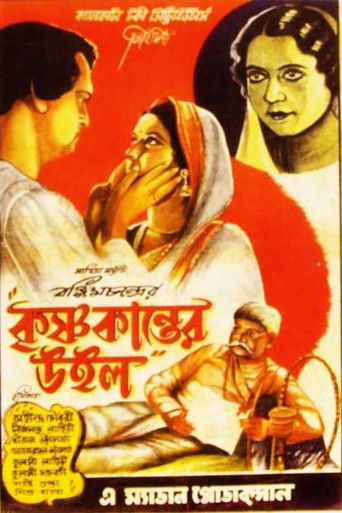
Actor in early Bengali cinema during the transition from silent films to talkies in the 1930s and early 1940s. His the crucial decade when Indian cinema was establishing its artistic identity, with notable performances in some of the most significant Bengali films of the era. Lahiri demonstrated remarkable versatility across diverse roles, from dramatic leads to character parts, helping to establish the foundation of professional acting in regional Indian cinema. His work in films like 'Krishnakanter Will' (1932), one of the earliest successful Bengali talkies, showcased his ability to adapt to the new medium of sound cinema. Throughout his active years from 1932 to 1941, he collaborated with some of the most important filmmakers of early Bengali cinema, contributing to the cultural renaissance that was sweeping through Bengal at the time. Though his career was relatively brief, his impact on the development of acting techniques in early Indian cinema was significant, influencing subsequent generations of actors in the Bengali film industry.
The Craft
On Screen
Tulsi Lahiri was known for his naturalistic acting style that was ahead of its time in early Indian cinema. He moved away from the theatrical, exaggerated gestures common in silent films, embracing a more subtle and realistic approach suited for talkies. His performances were characterized by emotional depth and authenticity, bringing psychological complexity to his characters. Lahiri had a particular talent for conveying nuanced emotions through voice modulation and facial expressions, skills that were especially valuable in the new medium of sound cinema.
Milestones
- Debut in 'Krishnakanter Will' (1932), one of the earliest successful Bengali talkies
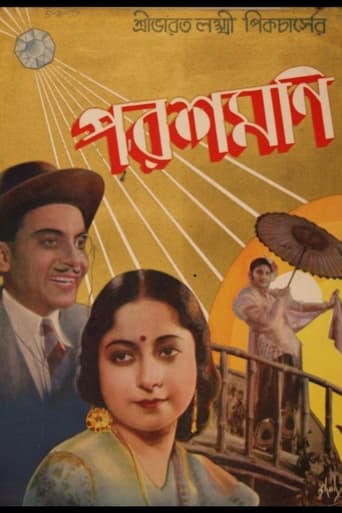
- Memorable performance in 'Parashmoni' (1939)
- Significant role in 'Avatar' (1941)
- Contributed to establishing professional acting standards in early Bengali cinema
- Worked during the crucial transition period from silent to sound cinema
Best Known For
Iconic Roles
Must-See Films
Accolades
Special Recognition
- Recognized as a pioneer of early Bengali cinema
- Remembered as an important contributor to India's early talkie era
Working Relationships
Worked Often With
Studios
Why They Matter
Impact on Culture
Tulsi Lahiri contributed significantly to the cultural development of Bengali cinema during its formative years. His work helped establish Bengali film as a serious artistic medium capable of addressing complex social and cultural themes. Through his performances, he participated in the broader Bengal renaissance that was transforming literature, theater, and arts in the region. Lahiri's naturalistic acting style influenced subsequent generations of Bengali actors, helping to move the industry away from theatrical conventions toward more cinematic expressions. His films, particularly 'Krishnakanter Will,' were part of the movement that created a distinct Bengali cinematic identity separate from mainstream Hindi cinema.
Lasting Legacy
Tulsi Lahiri's legacy lies in his role as a pioneer who helped shape early Bengali cinema during its crucial developmental phase. Though his career was relatively brief, spanning less than a decade, his contributions during the transition from silent to sound cinema were invaluable. He is remembered as one of the actors who established professional standards for film acting in regional Indian cinema. His work in films like 'Krishnakanter Will' remains historically significant as examples of early Indian attempts to create sophisticated cinema that could compete with international standards. Lahiri represents the generation of artists who laid the groundwork for the golden age of Bengali cinema that would follow in the 1950s and 1960s.
Who They Inspired
Tulsi Lahiri influenced subsequent generations of Bengali actors through his naturalistic approach to film acting at a time when most performers still relied heavily on theatrical techniques. His ability to adapt to the demands of sound cinema demonstrated the new skills required in the talkie era. While specific records of his mentorship are not available, his performances served as models for actors entering the industry in the late 1930s and 1940s. Lahiri's work contributed to the development of a distinctly Bengali acting style that would later be refined and perfected by legendary actors like Uttam Kumar and Soumitra Chatterjee in the following decades.
Off Screen
Tulsi Lahiri lived during a transformative period in Indian history, witnessing the transition from colonial rule to independence. He was part of the Bengal cultural renaissance that produced many artists, writers, and filmmakers who would shape Indian culture. His career coincided with the rise of the Indian People's Theatre Association and the growing political consciousness in Bengal, which influenced the themes of the films he participated in. Despite the challenges of working in a nascent film industry, Lahiri maintained his artistic integrity and contributed to elevating cinema as a serious art form in India.
Education
Information about formal education not available in historical records, though his sophisticated acting suggests a cultured background typical of Bengali intellectuals of his era
Family
- Information not available in historical records
Did You Know?
- Tulsi Lahiri was active during the crucial transition period from silent films to talkies in Indian cinema
- His debut film 'Krishnakanter Will' (1932) was based on a popular Bengali novel by Bankim Chandra Chattopadhyay
- The 1930s was a decade of tremendous growth for Bengali cinema, with Lahiri being one of its prominent actors
- Early Bengali talkies like those Lahiri appeared in often dealt with social reform themes and cultural identity
- The film industry in Kolkata was one of the earliest centers of Indian cinema production outside Bombay
- Actors of Lahiri's era had to be proficient in both traditional theater techniques and new film acting methods
- Sound recording technology in early 1930s Indian cinema was primitive, requiring special acting techniques
- Many early Bengali films were adaptations of literary works, reflecting the region's rich literary tradition
- The 1930s saw the emergence of film studios in Kolkata that would dominate regional cinema for decades
- Actors like Lahiri often had to multiple roles in early productions due to limited professional acting pools
In Their Own Words
No documented famous quotes are available from historical records of early Indian cinema actors of this period
Frequently Asked Questions
Who was Tulsi Lahiri?
with credits in this catalog. He was active during the crucial transition period from silent films to talkies in Indian cinema and contributed to establishing professional acting standards in regional Indian cinema.
What films is Tulsi Lahiri best known for?
Titles linked here include Krishnakanter Will (1932), Parashmoni (1939).
When was Tulsi Lahiri born and when did he die?
Born 1897; died 1959.
What awards did Tulsi Lahiri win?
While formal award systems for Indian cinema were not well-established during Tulsi Lahiri's active years (1932-1941), he is recognized posthumously as a pioneer of early Bengali cinema and an important contributor to India's early talkie era. His legacy lies in his artistic contributions rather than formal accolades.
What was Tulsi Lahiri's acting style?
Tulsi Lahiri was known for his naturalistic acting style that was ahead of its time in early Indian cinema. He moved away from theatrical gestures common in silent films, embracing subtle and realistic approaches suited for talkies. His performances were characterized by emotional depth and authenticity, with particular skill in voice modulation and facial expressions.