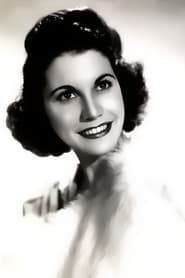
Maxene Andrews
Actor
- Born
- January 12, 1916, N/A, Minnesota, United States
- Died
- October 21, 1995
- Active
- 1925-1995
- Birth name
- Maxene Anglyn Andrews
Films 1
About Maxene Andrews
Maxene Andrews was an American singer and entertainer best known as one of the three Andrews Sisters, the hugely popular vocal trio that became a defining musical act of the World War II era. Although she is identified in some film databases as having appeared in the 1942 musical comedy Private Buckaroo, her principal career was not as a screen actor but as a vocalist and live performer, and her screen appearances were largely tied to musical films and shorts that showcased the trio's harmony act. Born into a family steeped in music, she and her sisters LaVerne and Patty developed a polished, tightly blended style that made them one of the most recognizable entertainment acts of the 1940s. The Andrews Sisters recorded an enormous string of hits, performed for troops, and became closely associated with wartime morale-boosting entertainment, radio, and Broadway-like film musicals. Maxene was admired for her strong stage presence, warm personality, and ability to anchor the trio's middle harmony line with precision and energy. After the peak of the trio's fame, she continued to perform in various settings, including reunion appearances and nostalgic concert work, helping preserve the Andrews Sisters' place in American popular culture. Her legacy rests primarily in music history, but her film appearances remain part of the broader classic Hollywood musical landscape.
More about Maxene Andrews
On screen
Maxene Andrews was not primarily a dramatic screen actor, so her film work should be understood as performance-based musical appearing rather than character acting. On screen she projected ease, brightness, and rhythmic assurance, emphasizing crisp timing, polished delivery, and vocal blend within ensemble numbers. Her strongest screen quality was her poise as part of a tightly coordinated trio, where expression, movement, and harmony were carefully synchronized for maximum entertainment impact.
In film history
Maxene Andrews helped define an era of American entertainment when vocal harmony, swing, and wartime optimism were central to mainstream culture. Through the Andrews Sisters, she contributed to a repertoire that crossed records, radio, film, and live performance, making the trio one of the most pervasive sounds of the 1940s. Their blend of polished femininity, rhythmic snap, and cross-market appeal influenced not only pop vocal groups but also the visual language of musical cinema, where tight ensemble presentation became a model for later acts. Her screen presence, though limited compared with her recording career, reinforced the idea that musical personalities could move fluidly between recording studio and Hollywood musical production. In cultural memory, Maxene remains associated with the sound of wartime America, nostalgia for the swing era, and the enduring appeal of sister acts in popular entertainment.
Later reputation
Maxene Andrews' lasting legacy is inseparable from the Andrews Sisters' place in American music history, where they are regarded as one of the most successful and influential female vocal groups of all time. Her contributions helped establish the commercial and artistic viability of close-harmony female ensembles in mainstream pop and film. Even though her movie work was relatively limited and largely musical in nature, it forms part of the classic Hollywood wartime entertainment tradition that connected cinema to national morale. Later generations have continued to rediscover her through reissues, documentaries, compilations, and nostalgia programming, ensuring that her performance style and the trio's repertoire remain part of the classic American songbook. Her name endures as a symbol of polished ensemble singing, wartime entertainment, and the bridge between radio-era popularity and Hollywood musical spectacle.
Influence
Maxene Andrews influenced later vocal groups by helping set a standard for blend, precision, and rhythmic articulation in popular harmony singing. The Andrews Sisters' style, with Maxene's middle harmony often acting as a stabilizing core, became a reference point for girl groups, swing revival acts, and even later pop ensembles seeking a retro vocal sound. Their film appearances also helped shape the notion of the musical personality as a portable brand that could move across records, radio, stage, and screen. While she was not a director or dramatic screen stylist, her performance legacy influenced the way female vocal acts were presented visually and sonically in mid-century entertainment.
Off screen
Maxene Andrews was born into a large musical family and, like her sisters, entered show business at a very young age. Much of her adult life was shaped by the demanding schedule and fame of the Andrews Sisters, whose act required extensive touring, recordings, and film work. She was married and experienced the normal personal complexities of a life lived in the public eye, but her public identity remained most strongly tied to the trio and to the preservation of their musical reputation. In later years she became one of the principal custodians of the Andrews Sisters' memory, appearing in retrospectives and speaking about the group's career and cultural importance.
Education
She received a practical entertainment education through performance experience rather than a formal conservatory path, developing her craft through family singing, live appearances, and professional stage and radio work from childhood.
Credits
- Rose to international fame as one of the Andrews Sisters, one of the most successful vocal groups of the 1940s
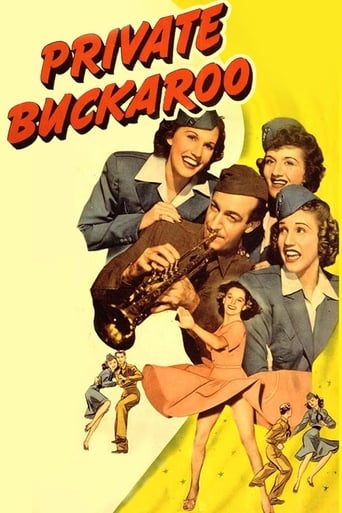
- Appeared in the 1942 musical film Private Buckaroo with the Andrews Sisters, contributing to the trio's on-screen wartime popularity
- Helped define the close-harmony, swing-influenced vocal style that became a hallmark of American popular music during World War II
- Performed extensively for troops and on radio, becoming closely associated with morale and patriotic entertainment during the war years
- Participated in reunion performances and nostalgia tours that kept the Andrews Sisters' music alive for later generations
- Remained a key public face of the Andrews Sisters' legacy after the trio's original era had ended
Roles
- Herself in musical film appearances with the Andrews Sisters
- Featured harmony vocalist in ensemble musical numbers
Films
- Private Buckaroo (1942)
Awards
- No major individual film awards are widely documented for Maxene Andrews
- Recognition as part of the Andrews Sisters, whose recordings and performances achieved landmark commercial success
Honors
- Enduring recognition as a foundational figure in American close-harmony pop and swing entertainment
- Induction and archival recognition in popular-music history through the Andrews Sisters' legacy
Collaborators
- LaVerne Andrews
- Patty Andrews
- Bing Crosby
- Musical arrangers and bandleaders associated with swing-era pop recordings
Studios
- Universal Pictures
- Decca Records
- Various radio and stage production companies
Family
- Robert John "Bob" McGuire (married 1947; later divorced)
Notes
- Maxene Andrews was the middle sister in the Andrews Sisters trio, a placement that was musically important because the middle harmony often helped define the group's blended sound.
- Although sometimes listed in film databases as an actor, her career was overwhelmingly that of a singer and ensemble performer rather than a dramatic film actress.
- Private Buckaroo is one of the better-known film credits associated with the Andrews Sisters during their wartime popularity.
- The Andrews Sisters became famous for their patriotic and morale-boosting wartime performances, including work connected to troop entertainment.
- Maxene was part of a trio that recorded some of the biggest hits of the 1940s, making the group one of the most commercially successful female acts of the era.
- She spent much of her career performing as part of a tight sibling ensemble rather than as a solo star, which was central to her identity as a performer.
- Later in life, she participated in nostalgia appearances and retrospectives that helped preserve the trio's image for modern audiences.
- Her contribution to film history is closely linked to the broader musical-comedy tradition of the early 1940s rather than to standalone acting roles.
Quotes
I cannot verify a specific, reliably sourced quotation from Maxene Andrews without risking inaccuracy.
She was widely remembered in interviews and retrospectives for speaking warmly about the Andrews Sisters' harmonies and their wartime audiences, but a precise documented quote is not consistently available in standard reference sources.
Questions
Who was Maxene Andrews?
Maxene Andrews was an American singer and entertainer best known as one of the Andrews Sisters, the celebrated harmony trio of the 1940s. She also appeared in a small number of musical film performances, including Private Buckaroo (1942), but her main fame came from recordings, radio, and live appearances.
What films is Maxene Andrews best known for?
Her best-known film association is Private Buckaroo (1942), where she appeared with the Andrews Sisters in a wartime musical context. Most of her screen presence was tied to musical performance rather than dramatic acting roles.
When was Maxene Andrews born and when did she die?
Maxene Andrews was born on January 12, 1916, in Minnesota, United States, and died on October 21, 1995. She lived a long life after her peak film-and-recording era, remaining an important figure in nostalgia performances and music history.
What awards did Maxene Andrews win?
No major individual film awards are widely documented for Maxene Andrews. Her recognition came primarily through the enormous success and historical importance of the Andrews Sisters, whose recordings and performances became central to American popular music.
What was Maxene Andrews's acting style?
Maxene Andrews was not primarily a dramatic actor; her screen work was built around musical performance, ensemble timing, and polished stage presence. In film, she projected confidence and precision as part of a tightly coordinated vocal trio.
What is Maxene Andrews's legacy in classic cinema and entertainment?
Her legacy lies in the intersection of classic Hollywood musical entertainment and American popular music. She helped create one of the most recognizable female vocal sounds of the 1940s, and her film appearances preserve that era's blend of wartime optimism, swing, and studio-produced musical spectacle.