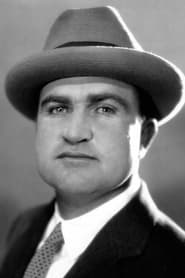
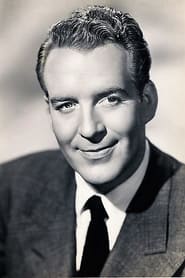
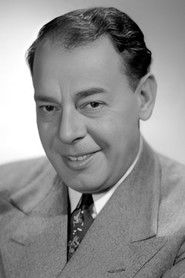
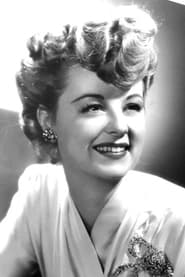
1942 · null

Private Buckaroo

Private Buckaroo

1942 null United States

"null"

Military discipline versus individualityRomance as a path to maturityMorale and entertainment during wartimeComedy as reassurance in stressful timesCamaraderie and collective effort

Plot

Private Buckaroo is a wartime musical comedy built around a lively Army-camp premise. A rebellious young inductee has trouble adjusting to military discipline until he falls for the daughter of a retired officer, which helps nudge him toward responsibility and maturity. Meanwhile, James and his band are also drafted and decide to improve morale by putting on a big entertainment show for the camp. The film mixes romance, slapstick, musical numbers, and service-comedy routines as the men try to find their place in boot camp while their performances lift spirits around them. The story ultimately blends patriotic sentiment with lighthearted farce, resolving with the characters better aligned with duty, affection, and show business camaraderie.

About the Production

Release Date null
Budget null
Box Office null
Production Republic Pictures
Filmed In null

Private Buckaroo was produced as a low-budget Republic Pictures wartime entertainment feature, designed to capitalize on audience appetite for military-themed comedies and musical revue films during World War II. Like many Republic productions of the period, it was assembled efficiently, with an emphasis on energetic pacing, topical humor, and performance-driven set pieces rather than elaborate production values. The film’s appeal depended heavily on its musical acts, comic banter, and the familiar studio strategy of mixing romance, patriotic morale-boosting, and novelty entertainment. Specific surviving production records on location shooting, budget, and box-office performance are not readily documented in commonly accessible sources, but the film fits squarely within Republic’s fast-turnaround production model.

Historical Background

Private Buckaroo was produced and released in 1942, during the early years of American involvement in World War II, when Hollywood was rapidly adapting to wartime themes. Studios across the industry were making films that could support morale, normalize military service, and present induction and camp life in approachable, entertaining ways. Musical comedies set in service environments were especially common because they could combine patriotic affirmation with escapist fun, helping civilian audiences and servicemen alike. Republic Pictures, as a smaller studio, specialized in quickly responding to public taste, and this film fits that wartime cultural moment precisely. Its mix of romance, boot-camp antics, and band-centered entertainment reflects the period’s desire to turn military hardship into a reassuringly cheerful cinematic experience.

Why This Film Matters

The film is culturally significant as a representative example of World War II-era studio entertainment that blurred the line between patriotic messaging and variety-show amusement. While not a canonical major release, it captures how Hollywood helped normalize the military experience for civilian audiences through comedy, song, and romance. It also documents Republic Pictures’ role in sustaining mid-tier popular cinema, where many performers, comedians, and musical acts were given screen exposure in compact genre hybrids. For historians, Private Buckaroo is useful as a snapshot of wartime screen culture: it shows how military service could be depicted not as grim realism but as a venue for morale, performance, and courtship. Its broader impact lies less in innovation than in illustrating a very common and influential wartime entertainment formula.

Making Of

Private Buckaroo was made within Republic Pictures’ efficient production system, where speed, economy, and audience familiarity were central priorities. Edward F. Cline, whose background in silent comedy informed his style, was a natural fit for a project that depended on brisk gags, exaggerated personalities, and performance interludes. The casting reflects Republic’s strategy of blending genre familiarity with performer appeal: Dick Foran provided the clean-cut leading man energy, Jennifer Holt supplied the romantic anchor, and Joe E. Lewis contributed comic-musical personality. The picture was designed to entertain wartime audiences with a mixture of camp humor, military discipline, and show-business chaos, rather than to present a realistic portrayal of Army life. Surviving mainstream references to the production are limited, so detailed anecdotes about the shoot, specific set problems, or script revisions are not widely documented in standard film histories.

Visual Style

The film’s visual style is consistent with Republic Pictures’ compact studio production methods: straightforward staging, functional lighting, and efficient coverage designed to keep dialogue and musical business moving. Rather than emphasizing elaborate composition, the cinematography likely prioritizes clarity for ensemble interaction, performance numbers, and physical comedy. Military settings in films of this type often relied on clean, readable framing that made routines, marches, and group performances easy to follow. Any visual flair would have come more from the choreography of bodies, comic timing, and musical presentation than from expressionistic camerawork. The result would be a polished but economical classic-studio look, typical of a quickly mounted wartime entertainment feature.

Innovations

Private Buckaroo is not generally associated with major technical innovation, but it represents competent studio-era craftsmanship in combining dialogue scenes, comedy beats, and musical performance within a relatively modest production. Its notable accomplishment is the efficient integration of multiple entertainment modes—military comedy, romance, and band performance—into a coherent feature-length program. Republic Pictures was especially adept at producing this kind of streamlined entertainment, and the film showcases that industrial efficiency. The production’s value lies in its well-honed pacing and its ability to deliver a polished theatrical product on a limited budget. In that sense, its technical achievement is more about skilled economy than about groundbreaking technique.

Music

Music is central to Private Buckaroo’s identity, with the plot built around a band being drafted and using performance to energize camp life. The film likely features a mix of novelty songs, ensemble numbers, comic musical routines, and patriotic-tinged material suited to 1942 audiences. Joe E. Lewis’s presence suggests a strong vaudeville or nightclub flavor, while the band elements provide opportunities for upbeat, morale-focused performances. Like many Republic musicals, the soundtrack serves narrative and entertainment purposes rather than aiming for symphonic complexity. Specific song titles are not consistently documented in the readily available sources consulted here, but the film’s musical identity is clearly one of its defining features.

Famous Quotes

null

Memorable Scenes

  • The induction and boot-camp material, where the rebellious recruit clashes with military discipline and the routines of camp life.
  • The moments in which James and his band decide to stage a camp show, turning military duty into a morale-boosting performance.
  • The romantic scenes between the young inductee and the retired officer’s daughter, which soften the comedy with a sentimental thread.
  • The ensemble performance sequences that interrupt camp routine and provide the film’s chief entertainment value.
  • The comic interactions among soldiers and entertainers as they attempt to reconcile show business with army structure.

Did You Know?

  • The film was directed by Edward F. Cline, a veteran comedy filmmaker associated with silent-era slapstick and early sound comedy.
  • It was released by Republic Pictures, a studio known for economical productions, serials, westerns, and timely genre films during the 1940s.
  • The film reflects the World War II-era trend of mixing military settings with comedy and music to support home-front morale.
  • Dick Foran, one of the credited stars, was a familiar presence in westerns and musicals and often played affable, energetic leading men.
  • Joe E. Lewis, famous as a nightclub comic and singer, brought a vaudeville-style performance sensibility to the film.
  • Jennifer Holt was a frequent Republic Pictures performer and appeared in numerous studio productions during the 1940s.
  • The known premise combines both boot-camp comedy and band-performance spectacle, a common formula in wartime studio entertainment.
  • The title Private Buckaroo itself is a punning blend of military rank and cowboy slang, signaling the film’s light comic tone.
  • The film is associated with the era’s practice of showcasing popular entertainers in narrative features rather than strictly integrating them into traditional dramatic plots.
  • As with many Republic titles of the period, it has remained more of a cult or archival-interest film than a major mainstream classic.
  • The film’s exact production details such as budget and release date are not consistently listed in widely accessible modern reference summaries, which is common for lower-budget studio releases of the era.

What Critics Said

Contemporary critical reception for Private Buckaroo is not widely preserved in major reference summaries, and it appears to have attracted more routine review attention than major critical acclaim. As a Republic Pictures wartime comedy-musical, it was likely judged primarily on its ability to entertain rather than on artistic ambition. Modern criticism tends to view such films as modest, historically revealing examples of studio-era popular entertainment, appreciated for their period charm, comic performances, and musical interludes. It is generally not discussed as a landmark title, but rather as an enjoyable artifact of its era and a useful example of Republic’s production style. In retrospective contexts, the film is more likely to be valued by classic-film enthusiasts, collectors, and historians of wartime Hollywood programming.

What Audiences Thought

There is no widely cited evidence of extraordinary box-office success or major audience backlash, suggesting that the film likely performed as a typical wartime studio release rather than as a sensational hit or failure. Its appeal would have depended on contemporary audiences being receptive to military comedies, novelty music numbers, and familiar screen personalities. The presence of entertainers such as Joe E. Lewis would have given it added attraction for viewers who enjoyed nightclub and radio-style comedy on screen. As with many mid-budget 1940s features, audience reception was probably strongest among viewers looking for light, fast-paced escapism during wartime. Today, its audience is largely composed of classic-film fans, collectors, and viewers exploring Republic’s back catalog.

Awards & Recognition

  • null

Film Connections

Influenced By

  • Wartime military comedies of the early 1940s
  • Vaudeville and nightclub revue traditions
  • Silent-era slapstick comedy traditions associated with Edward F. Cline
  • Popular home-front morale films made during World War II

This Film Influenced

  • null

Film Restoration

The film is not generally considered lost and is preserved in circulation through archival holdings and vintage-film access channels, though no major restoration campaign is widely cited in standard references.

Themes & Topics

Army campdrafted bandwartime comedyromantic interestmorale showboot camp