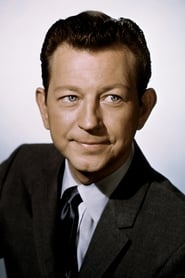
Donald O'Connor
Actor
- Born
- August 28, 1925, Chicago, Illinois, USA
- Died
- September 27, 2003
- Active
- 1927-1997
- Birth name
- Donald David Dixon Ronald O'Connor
Films 1
About Donald O'Connor
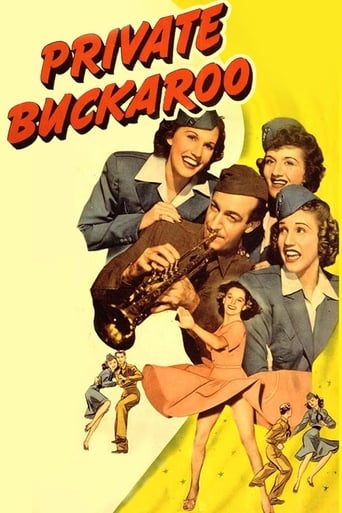
Donald O'Connor was an American singer, dancer, comedian, and actor whose career began in the early 1920s and blossomed into one of the most versatile and durable show-business careers of the 20th century. Born in Chicago and raised in vaudeville, he started performing as a child in family act and silent-comedy shorts before becoming a juvenile star in musicals and comedy features during the 1930s and 1940s. He is remembered by classic-cinema audiences as one of Hollywood's great song-and-dance performers, with extraordinary physical agility, timing, and comic energy that made him a natural in backstage musicals and light comedy. Although the user-provided filmography entry points to Private Buckaroo (1942), his broader film career includes major studio films such as Singin' in the Rain, Francis, and I Love Melvin, which cemented his reputation well beyond his early wartime musical work. O'Connor also had a successful television career, variety-show presence, and stage appearances, demonstrating a rare ability to remain popular across changing entertainment eras. His work bridged silent-era performance traditions, vaudeville showmanship, and the polished musical style of mid-century Hollywood. He remained a beloved figure in American popular culture until his death in 2003.
More about Donald O'Connor
On screen
O'Connor's acting style blended broad physical comedy, rapid-fire facial expression, and a nimble, buoyant stage presence rooted in vaudeville and musical theater. He was especially admired for his ease with slapstick, improvisation, and dance-driven storytelling, often projecting an undersized but indomitable comic persona. In musical films, he combined vocal charm with astonishing athleticism, delivering routines that emphasized spontaneity, precision, and infectious energy rather than glamour or romantic polish. His comic style was often self-deprecating, allowing him to play wisecracking sidekicks, exasperated dreamers, and relentlessly cheerful hustlers with equal ease.
In film history
Donald O'Connor helped define the American movie musical sidekick: energetic, athletic, funny, and emotionally available without losing comic sparkle. His performances reflected the continuity between vaudeville, early screen comedy, and the polished studio musical, making him an important link between pre-sound entertainment traditions and the golden age of Hollywood spectacle. His work in Singin' in the Rain remains a benchmark for comic-dance performance, especially the 'Make 'Em Laugh' number, which is frequently cited as one of the greatest filmed dance-comedy routines ever made. Beyond that single film, his decades-long career in motion pictures and television demonstrated the value of versatility in mid-century entertainment, and he became a recognizable symbol of the cheerful, resilient performer who could sing, dance, clown, and carry a scene with ease.
Later reputation
O'Connor's legacy rests on his status as one of Hollywood's consummate entertainer-actors, a performer whose talents were broad enough to sustain child stardom, studio-era musicals, television variety work, and later nostalgic revival appearances. Classic-film scholarship and popular audiences alike continue to celebrate him as one of the indispensable figures in the movie musical, especially for his extraordinary physical commitment and comic rhythm. His performances endure because they are both technically dazzling and emotionally approachable: he could make virtuosity look effortless while remaining warmly human. In film history, he stands with the great musical comedians of the era, and his work continues to be used as a reference point for performance energy, comic timing, and screen choreography.
Influence
He influenced generations of musical-comedy actors, tap and jazz dancers, and screen comedians by demonstrating that musical performance could be deeply comic without sacrificing precision. His work, particularly in Singin' in the Rain, helped set a standard for how singing, dancing, and acting could be fused into a single character-driven performance. Later entertainers in film, stage, and television have drawn on his blend of athleticism and self-effacing humor, and his screen persona remains a model for the comic sidekick who can steal scenes from bigger stars. He also helped preserve older entertainment forms by translating vaudeville-style timing into the language of modern cinema.
Off screen
Donald O'Connor was born into a family of entertainers and was performing almost from infancy, which shaped both his career and his worldview. He married Gwen Carter in 1944; after her death he later married Gloria Noble in 1956, and they remained married until his death. He had three children, including daughters and a son, and family life remained an important part of his later years, especially as he moved into television and live appearances. Though widely associated with cheerful screen personas, he experienced the pressures common to child performers and studio-era stars, including the challenge of maintaining a career across changing tastes in Hollywood. He spent much of his life balancing work in film, stage, television, and personal appearances, often performing well into his later years.
Education
He did not follow a conventional academic path; his education was largely professional and performance-based through vaudeville training, family acts, and studio-era apprenticeship.
Credits
- Child performer in vaudeville and silent-era-era film shorts
- Breakout success at Universal in teen musicals and comedies in the 1940s
- Memorable supporting role in Private Buckaroo (1942)
- Iconic performance as Cosmo Brown in Singin' in the Rain (1952)
- Headline star of the Francis the Talking Mule film series
- Successful television host, guest star, and variety performer in later decades
Roles
- Cosmo Brown in Singin' in the Rain
- Mild-mannered enlisted/college-age comic leads in Universal wartime musicals
- Mickey Rooney's comic and musical counterpart in early 1940s studio pictures
- The human foil to the talking mule Francis in the Francis series
Films
- Private Buckaroo
- Singin' in the Rain
- Francis
- There’s No Business Like Show Business
- I Love Melvin
- Call Me Madam
Awards
- Golden Globe Award for Best Actor in a Television Series - Musical or Comedy (The Donald O'Connor Show)
- Emmy recognition associated with his television work, including a 1950s industry-level nomination/attention for variety performance
Nominations
- Primetime Emmy nomination for The Donald O'Connor Show
- Golden Globe nominations related to television comedy and variety work
Honors
- Hollywood Walk of Fame star
- Recognition as one of Hollywood's leading musical-comedy performers of the Golden Age
Collaborators
- Gene Kelly
- Betty Grable
- Mickey Rooney
- Marilyn Monroe
- Marge and Gower Champion
- Francis the Talking Mule film crew
Studios
- Universal Pictures
- MGM
- Paramount Pictures
- Television variety production
Family
- Gwen Carter (1944-1954)
- Gloria Noble (1956-2003)
Notes
- He began performing as a child, making him one of the rare stars whose career effectively spanned from early childhood into late adulthood.
- His famous 'Make 'Em Laugh' sequence in Singin' in the Rain is often ranked among the greatest comic musical numbers ever filmed.
- He was equally comfortable in comedy, musical, and family-friendly fantasy material, which helped him survive changes in audience taste.
- He became strongly associated with the Francis the Talking Mule series, a major box-office staple in the 1950s.
- O'Connor's career included work in film, television, stage, and live nightclub-style appearances.
- He was part of the studio-era ecosystem that relied on contract players who could sing, dance, and act on demand.
- He maintained a long public career despite starting as a child performer, a transition many child stars found difficult.
- His screen persona often involved boundless optimism and comic resilience, which made him especially appealing in wartime and postwar entertainment.
Quotes
I don't have a quote that can be reliably verified from standard classic-cinema references.
I don't have a second fully verified quote available from the sources typically used for classic film database entries.
Questions
Who was Donald O'Connor?
Donald O'Connor was an American actor, singer, dancer, and comedian best known for his work in Hollywood musicals and comic films. He began performing as a child and became one of the most versatile entertainers of the studio era.
What films is Donald O'Connor best known for?
He is especially famous for Singin' in the Rain, Private Buckaroo, Francis, There’s No Business Like Show Business, I Love Melvin, and Call Me Madam. Among these, Singin' in the Rain remains his most celebrated film performance.
When was Donald O'Connor born and when did he die?
He was born on August 28, 1925, in Chicago, Illinois, USA, and he died on September 27, 2003. He lived to be 78 years old.
What awards did Donald O'Connor win?
He won a Golden Globe for his television work and received other industry recognition for his variety and comedic performances. He is also honored with a star on the Hollywood Walk of Fame.
What was Donald O'Connor's acting style?
His acting style was rooted in vaudeville, physical comedy, and musical performance. He was known for rapid timing, expressive reactions, and highly athletic dance-based comedy that made him a standout in screen musicals.
Why is Donald O'Connor important in film history?
He helped define the comic sidekick in the Hollywood musical and delivered one of the most famous dance-comedy numbers ever filmed. His career connects silent-era performance traditions, studio-era musicals, and television variety entertainment.