Mary Wickes
Actor
- Born
- May 13, 1910, St. Louis, Missouri, United States
- Died
- August 22, 1995
- Active
- 1942-1994
- Birth name
- Mary Isabella Wickenhauser
Films 1
About Mary Wickes
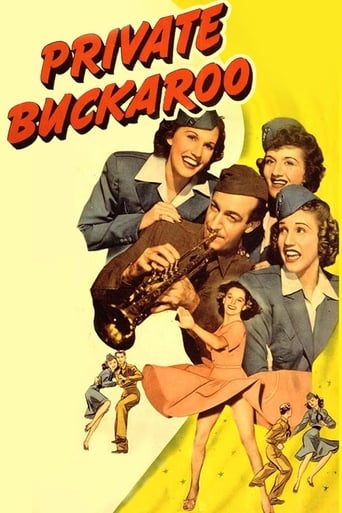
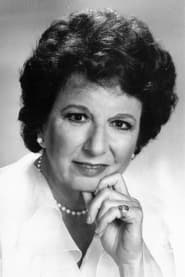
Mary Wickes was an American character actress whose career became one of the most recognizable in Hollywood and later television, defined by her sharp comic timing, no-nonsense presence, and warm underlying humanity. Born Mary Isabella Wickenhauser in St. Louis, Missouri, she studied at Washington University before beginning her professional path on the stage, where her commanding voice and distinctive delivery quickly made her memorable. She entered films in the early 1940s and was introduced to movie audiences in pictures such as Private Buckaroo (1942), but her greatest screen success came over the following decades in supporting roles that often cast her as nurses, maids, secretaries, schoolteachers, nuns, and other authoritative women. Wickes worked steadily for decades at major studios and on television, becoming especially beloved for her scene-stealing appearances in films like White Christmas, The Trouble with Angels, and Sister Act. Her screen persona was often tough, brisk, and blunt on the surface, yet she could also project empathy and deadpan humor, making her one of the era's most dependable character players. Beyond film, she enjoyed a notable television career and stage success, including memorable work in musical theater and guest appearances on popular series. She remained active into the late 1980s and early 1990s, and her long career made her a familiar and cherished figure in American entertainment until her death in 1995.
More about Mary Wickes
On screen
Mary Wickes was known for a crisp, deadpan, and highly disciplined comic style that made even brief appearances memorable. She specialized in authoritative, no-nonsense women whose sharp exterior could be used for comedy, but she avoided broad caricature by grounding her characters in practical realism. Her voice, timing, and precise physical expression were major tools, allowing her to dominate scenes with minimal screen time. She often played supporting parts that required quick reactions, verbal bite, and an ability to balance tart humor with underlying kindness or vulnerability.
In film history
Mary Wickes helped define a particular kind of American character actress: brisk, intelligent, formidable, and immediately believable whether she was playing a nurse, nun, maid, or school administrator. Her performances became part of the fabric of mid-century Hollywood comedy and family entertainment, and her screen presence contributed significantly to the success of many ensemble pictures. Because she frequently played women with professional authority, she also helped normalize the idea that supporting female characters could be memorable, funny, and essential to the narrative rather than merely ornamental. Her work bridged classic studio-era filmmaking, television comedy, and later nostalgic revival culture, making her familiar to multiple generations of viewers.
Later reputation
Wickes's legacy rests on her extraordinary reliability, versatility, and distinctiveness as a supporting player who could elevate an entire scene through timing alone. She is remembered as one of the great character actresses of American cinema, someone whose roles were often smaller than the stars' but whose personality was impossible to ignore. Her work in beloved films such as White Christmas and The Trouble with Angels has ensured continuing popularity, especially on television broadcasts and home video. She remains an important example of the character-actor tradition in Hollywood, proving that a performer need not be the leading lady to become culturally iconic.
Influence
Mary Wickes influenced generations of character actors, especially women who specialized in comic authority figures and grounded supporting roles. Her style demonstrated the value of precision, economy, and a strong verbal rhythm, qualities that later actresses in film, television, and stage comedy often emulated. The confidence with which she played stern or skeptical women opened space for later performers to make such roles both humorous and human. Her continued visibility in enduring films also helped shape audience expectations for the comic supporting ensemble in family entertainment and religious-comedy narratives.
Off screen
Mary Wickes never married and is generally remembered as a private person who kept her personal affairs out of the press. She was born into a St. Louis family and was educated at Washington University, where her interests in performance and theater developed before she moved into professional acting. Much of her public identity centered on her work and her wit rather than on a highly publicized personal life, and she became known for her independence and directness. In later years she was admired as a consummate professional whose offscreen reputation matched the capable, matter-of-fact characters she often portrayed.
Education
Attended Washington University in St. Louis; later studied and worked in theater before moving into film and television.
Credits
- Made her film debut in Private Buckaroo (1942), entering feature films during the World War II era
- Built a long career as one of Hollywood's most distinctive character actresses, specializing in comic supporting roles
- Appeared in the classic musical White Christmas (1954), one of her best-known film performances
- Delivered a memorable comic turn in The Trouble with Angels (1966) and reprised the role in subsequent projects associated with the series
- Expanded her fame through television guest work and recurring appearances, becoming a highly familiar small-screen presence
- Received major recognition in 1975 with a Tony Award nomination for Best Featured Actress in a Play for The Good Doctor
- Appeared in the hugely popular Sister Act (1992), introducing her to a new generation of film audiences late in life
Roles
- O'Connor in White Christmas
- Sister Clarissa in The Trouble with Angels
- Sister Clarissa in Where Angels Go, Trouble Follows
- Madame Galletin in Sister Act
- Nurse roles in multiple Hollywood comedies and dramas
- Schoolteacher and authority-figure roles in stage and screen comedy
Films
- Private Buckaroo
- White Christmas
- The Trouble with Angels
- Where Angels Go, Trouble Follows
- The Bishops Wife
- Sister Act
- The Man Who Came to Dinner
Awards
- Tony Award nomination for Best Featured Actress in a Play for The Good Doctor (1975)
Nominations
- Tony Award nomination for Best Featured Actress in a Play for The Good Doctor (1975)
Honors
- Recognized as one of Hollywood's most distinctive character actresses of the studio era
- Honored by later generations of film and television audiences through continued broadcast and revival of her films
Collaborators
- Rosalind Russell
- Bing Crosby
- David Butler
- Henry Koster
- Ida Lupino
- Hayley Mills
- Sister Act ensemble cast
Studios
- MGM
- Warner Bros.
- RKO
- Universal
Notes
- She was born Mary Isabella Wickenhauser and later shortened her professional name to Mary Wickes.
- She made her movie debut in Private Buckaroo, a 1942 wartime musical comedy.
- Her career spanned stage, film, television, and voice work, making her one of the most versatile supporting actresses of her generation.
- She was widely admired for her deadpan delivery and ability to turn stern authority figures into comic highlights.
- She appeared in White Christmas, one of the most enduring holiday films in American cinema.
- She was nominated for a Tony Award late in her career, showing her continued stage vitality well into the 1970s.
- She never married and did not have children, a fact often noted in biographies of her as part of her private personal life.
- She became especially beloved to younger audiences through Sister Act and its sequel-era association with her earlier angel-school comedies.
- She had a long and respected career on television, where her authority-figure persona remained highly effective.
- Her surname was often pronounced and remembered by audiences even when her roles were brief because her performances were so distinctive.
Quotes
No reliably sourced, widely circulated personal quote is consistently attributed to Mary Wickes in standard reference works.
Her screen persona is best remembered through her film dialogue rather than documented public quotations.
Questions
Who was Mary Wickes?
Mary Wickes was an American character actress known for her sharp comic timing, authoritative screen presence, and memorable supporting roles across film, television, and stage. She became especially famous for playing formidable but funny women such as nurses, nuns, and teachers.
What films is Mary Wickes best known for?
She is best known for Private Buckaroo, White Christmas, The Trouble with Angels, Where Angels Go, Trouble Follows, The Man Who Came to Dinner, and Sister Act. These films showcase her strength as a supporting actress who could steal scenes with very little screen time.
When was Mary Wickes born and when did she die?
Mary Wickes was born on May 13, 1910, in St. Louis, Missouri, United States. She died on August 22, 1995.
What awards did Mary Wickes win?
Her most notable major recognition was a Tony Award nomination for Best Featured Actress in a Play for The Good Doctor in 1975. While she was not a frequent recipient of top industry awards, she was widely respected and admired as one of the great character actresses of her era.
What was Mary Wickes's acting style?
Her acting style was crisp, precise, and dryly comic, with a talent for making authority figures both funny and believable. She relied on timing, vocal control, and a strong sense of character rather than broad mugging, which made her highly effective in ensemble scenes.
What was Mary Wickes's legacy in film history?
Mary Wickes is remembered as one of Hollywood's quintessential character actresses, a performer whose supporting roles helped define the tone of many beloved films. Her work remains popular because she brought wit, realism, and personality to parts that might otherwise have been forgettable.