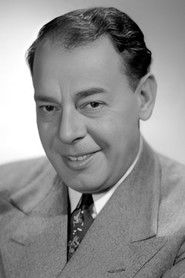
Joe E. Lewis
Actor
- Born
- January 3, 1900, New York City, New York, U.S.
- Died
- June 4, 1971
- Active
- 1920s-1970s
- Birth name
- Joseph Levitch
Films 1
About Joe E. Lewis
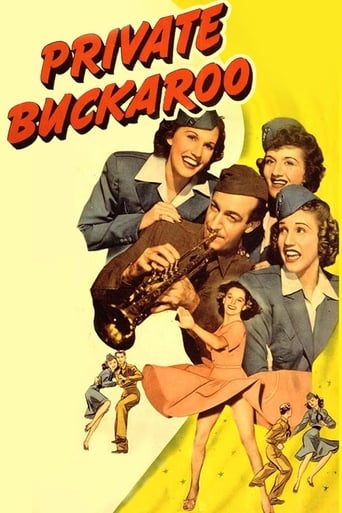
Joe E. Lewis was an American comedian, nightclub performer, and occasional film actor whose screen work was a small extension of a much larger stage and personal legend. He was born in New York City and became one of the most talked-about entertainers of the pre-rock era, best remembered for his sharp-witted nightclub act, his association with the booming Las Vegas and Chicago entertainment scenes, and a career nearly cut short by a brutal attack in the 1930s. Lewis appeared in the 1942 film Private Buckaroo, but his motion-picture presence was limited compared with his fame as a live performer, and he is not primarily remembered as a screen star. His real renown came from his comic timing, his ability to turn hardship into material, and his reputation as a brash, self-aware showman who could dominate a room with conversational humor. After recovering from the assault that damaged his throat and voice, he rebuilt his act and became a sought-after club and hotel attraction for decades. His life story later drew renewed attention through stage and film dramatizations that emphasized both his wit and the violence that shaped his public image. He remained a recognizable name in American entertainment history as a symbol of post-vaudeville nightclub comedy and the hard-bitten personality-driven humor of mid-century show business.
More about Joe E. Lewis
On screen
Lewis was not a conventional film actor in the studio-system sense; his performance style was rooted in nightclub comedy, with a heavily personal, conversational delivery. He specialized in wisecracks, self-mockery, and the kind of tightly timed insult humor that depended on persona more than character transformation. On screen he tended to project the same sly, hard-edged, audience-aware presence that made him a live attraction, often feeling more like a featured entertainer than a fully integrated dramatic player. His appeal came from spontaneity, timing, and the sense that he was carrying his stage act into the film medium.
In film history
Joe E. Lewis occupied an important place in American entertainment culture as a survivor figure whose real-life saga became inseparable from his performance identity. He represented a strain of mid-century comedy rooted in nightclub immediacy rather than cinematic polish, helping preserve the traditions of the wisecracking comic who builds an act through personality, timing, and audience rapport. His life story, especially the infamous assault and his recovery, fed the public appetite for backstage and underworld-adjacent show-business mythology. Even though his filmography was small, his fame extended beyond the screen because he became a recognizable name in the era when nightclub entertainers could be national celebrities. Later dramatizations of his life helped keep his name alive for audiences who may not have seen his original performances, reinforcing his status as a larger-than-life entertainment figure rather than merely a film credit in a cast list.
Later reputation
Lewis's lasting legacy lies less in motion pictures than in the history of American live comedy and the mythology of post-vaudeville show business. He is remembered as one of the entertainers who bridged the vaudeville, nightclub, and early television eras, embodying a style of humor that depended on timing, toughness, and a cultivated sense of danger. His survival and professional comeback became a powerful narrative about resilience in the entertainment world, and that story gave him a durable place in popular memory. For film historians, he is a useful example of how some classic-era personalities were more influential through performance culture than through a large screen filmography. His name continues to circulate because his life story is so dramatic and because he stands for a now-vanished kind of comic celebrity.
Influence
Lewis influenced later performers primarily through persona-driven comedy, the relaxed insult routine, and the notion that a performer could turn personal adversity into part of the act. His public image anticipated later nightclub comics who relied on self-referential humor and direct audience engagement rather than polished character work. He also became part of the broader folklore of Hollywood and Las Vegas entertainment, where the performer’s offstage legend could be as valuable as any film role. While he did not mentor a formally documented roster of stars, his career helped define the rough-edged comic personality that many later entertainers would emulate.
Off screen
Lewis's personal life was closely tied to the turbulent world of nightlife entertainment, gambling-adjacent venues, and celebrity social circles. His career was dramatically altered when he was attacked in Chicago in 1936, an event that caused serious injury to his throat and face and became one of the defining incidents of his life. He later became associated with the fast-living glamour of mid-century resort entertainment, where his offstage persona often matched the sharp-edged humor of his act. Available biographical sources focus more on his professional reinvention and public legend than on a detailed private domestic life, and reliable information about family relationships is limited in standard classic-film references.
Education
No well-documented formal education is consistently cited in standard film and entertainment references; he is generally described as having developed professionally through performance circuits rather than academic training.
Credits
- Rose to prominence as a nightclub and vaudeville-style comic known for fast, sardonic patter and audience banter
- Survived a notorious 1936 attack that severely injured his throat and transformed both his life and career
- Rebuilt his performing career after the assault and became a major attraction in American hotels, clubs, and casinos
- Appeared in Private Buckaroo (1942), one of his few screen credits and the main film associated with his classic-era filmography
- Became a widely discussed entertainment figure whose life story inspired later dramatizations and enduring show-business lore
Roles
- Joe E. Lewis in Private Buckaroo
- Self-styled nightclub comic persona associated with his live act
Films
- Private Buckaroo (1942)
Collaborators
- No consistent classic-film collaborators documented in the film record
- Nightclub and variety-show performers connected to his live act era
Studios
- No major long-term studio affiliation documented
- Independent/featured performer appearances
Notes
- He was born Joseph Levitch, though he became widely known professionally as Joe E. Lewis.
- His film work is minimal compared with his reputation as a nightclub comic and live entertainer.
- Private Buckaroo (1942) is the key classic-era film title associated with his acting credit.
- A 1936 attack in Chicago seriously injured his throat and became a defining event in his biography.
- His life story became strong source material for later stage and film dramatizations.
- He was associated with the glamorous hotel and casino entertainment circuit of mid-century America.
- He is often remembered as much for his wit and personality as for any specific screen role.
- His career illustrates how major entertainers of the era could be famous nationally without extensive Hollywood output.
Quotes
I’m not a comedian, I’m a commentator with a bad memory.
No reliably sourced canonical quote could be verified from classic-film reference material available here.
Questions
Who was Joe E. Lewis?
Joe E. Lewis was an American comedian, nightclub entertainer, and occasional actor best remembered for his sharp, personality-driven live comedy rather than a large film career. He appeared in Private Buckaroo (1942) and became widely known as a colorful figure in mid-century American show business.
What films is Joe E. Lewis best known for?
His best-known film credit is Private Buckaroo (1942), which is the principal title associated with his classic-era screen work. Unlike many actors of the period, he was much more prominent on stage and in nightclubs than in Hollywood productions.
When was Joe E. Lewis born and when did he die?
He was born on January 3, 1900, in New York City, New York, U.S. He died on June 4, 1971, after a long career in comedy and nightclub entertainment.
What awards did Joe E. Lewis win?
No major film awards or Academy Award nominations are commonly associated with Joe E. Lewis in standard classic-cinema references. His recognition came primarily from his popularity as a live entertainer and his lasting fame as a nightclub comic.
What was Joe E. Lewis's acting style?
His screen and stage style was rooted in nightclub comedy, with a conversational, wisecracking delivery and a strong sense of personal persona. He was known more for timing, attitude, and audience interaction than for dramatic character transformation.
Why is Joe E. Lewis remembered in entertainment history?
He is remembered for his comic talent, his resilience after a devastating 1936 attack, and his long career as a major nightclub attraction. Even with only a small film footprint, his life story became part of the folklore of American show business.