Patty Andrews
Actor
- Born
- February 16, 1918, Mound, Minnesota, USA
- Died
- January 30, 2013
- Active
- 1937-2010
- Birth name
- Patricia Marie Andrews
Films 1
About Patty Andrews
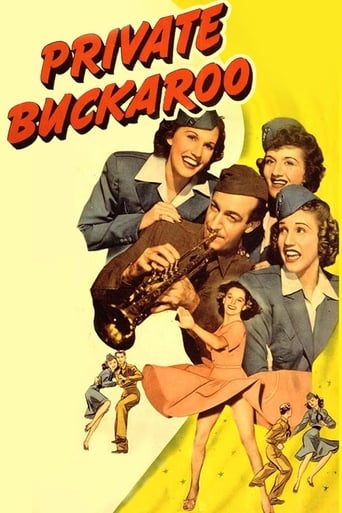
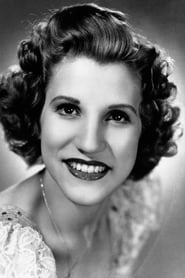
Patty Andrews was an American singer and actress best known as the youngest sister and lead voice of the Andrews Sisters, one of the most successful vocal groups of the swing era. Born Patricia Marie Andrews in Mound, Minnesota, she rose to fame in the late 1930s and 1940s alongside her sisters LaVerne and Maxene, becoming a major pop-culture presence through radio, recordings, live appearances, and motion pictures. Her brief film career included appearances in musical features and short subjects, with Private Buckaroo (1942) among the best-known films associated with the Andrews Sisters. While she was not primarily a dramatic screen actor, she became an instantly recognizable musical personality in Hollywood because of her warm, agile contralto and the group’s polished, upbeat performance style. After the peak of their wartime popularity, Patty continued to perform with the Andrews Sisters across decades of reunions and retrospectives, helping preserve the sound of the big-band era for later generations. Her legacy rests less on acting in the conventional sense than on her role as a central figure in American popular music and screen entertainment during the Golden Age of Hollywood.
More about Patty Andrews
On screen
Patty Andrews was not known as a dramatic character actress; her screen presence was rooted in musical performance, charm, and rhythmic precision. On film she projected a bright, lively, highly coordinated style shaped by the Andrews Sisters' close-harmony format, with a relaxed comic ease and a polished microphone technique. Her appeal came from ensemble chemistry rather than solo star turns, and her performances emphasized timing, clarity, and audience-friendly warmth. In musical numbers she conveyed a natural, unaffected personality that suited wartime morale entertainment and studio-produced novelty films.
In film history
Patty Andrews helped define the sound and image of the Andrews Sisters, whose tight harmonies became synonymous with American wartime entertainment. Through recordings, radio, and films, she contributed to a style that blended swing, novelty, boogie-woogie, and accessible pop, influencing how female vocal groups were presented on screen and in popular music. Her film appearances, especially during the early 1940s, helped bridge the worlds of radio stardom and Hollywood musical comedy, making the sisters familiar to audiences who may not have followed their recordings closely. As part of one of the most recognizable all-female groups in American entertainment history, she became part of the cultural memory of World War II-era morale-boosting entertainment.
Later reputation
Patty Andrews' lasting legacy is inseparable from the Andrews Sisters' enduring popularity in film, radio, and recording history. Although she was not primarily a solo film actress, her screen work preserves an essential piece of Golden Age Hollywood's musical landscape, especially the wartime musical-comedy tradition. The group's recordings and film appearances remain staples of nostalgia programming, classic film revivals, and historical studies of American popular music. Patty's voice and image continue to represent the exuberance, precision, and commercial polish of the swing era, ensuring her place in both film and music history.
Influence
Patty Andrews influenced later female vocal groups and musical performers through the Andrews Sisters' blend of harmony, visual polish, and rhythmic bounce. Her performance style helped establish a template for ensemble singing acts on film: coordinated, catchy, and personality-driven without relying on solo star egotism. The group's success also demonstrated that women could be central commercial attractions in wartime entertainment and musical comedy. Later singers and harmony groups have continued to cite the Andrews Sisters as an influence on arrangement style, phrasing, and stage presentation.
Off screen
Patty Andrews was the youngest of the three Andrews Sisters and the sibling whose voice often carried the group's lead lines. She married agent and songwriter Walter Weschler in 1947; he later managed aspects of her career, and the marriage is the best-known in her personal history. Her family life was closely tied to the professional and personal dynamics of the Andrews Sisters, especially the long partnership with her sisters LaVerne and Maxene. After LaVerne's death in 1967, Patty and Maxene continued performing together intermittently, and Patty later remained active in preserving the group's story through interviews and public appearances.
Education
She attended school in Minnesota; no extensive formal performing-arts education is commonly documented, as her career developed primarily through family performance experience and professional stage work.
Credits
- Became a star with the Andrews Sisters during the late 1930s swing era
- Appeared in musical films and screen vehicles associated with the Andrews Sisters, including Private Buckaroo (1942)
- Helped make the Andrews Sisters one of the most commercially successful vocal acts of the 1940s
- Performed on radio, in live stage shows, and in wartime entertainment for servicemen
- Participated in later reunions that kept the Andrews Sisters' music in the public memory
Roles
- Patty Andrews as herself in Andrews Sisters musical appearances
- Vocal performance persona in wartime musical entertainment
- Ensemble performer in Private Buckaroo (1942)
Films
- Private Buckaroo (1942)
- Buck Privates (1941)
- In the Navy (1941)
- Always a Bridesmaid (1943)
- Here Come the Waves (1944)
Awards
- Star on the Hollywood Walk of Fame for the Andrews Sisters
Honors
- Hollywood Walk of Fame star shared with the Andrews Sisters
- Recognition as one of the defining female vocal groups of the swing era
- Induction and recognition in popular music retrospectives honoring the Andrews Sisters' legacy
Collaborators
- LaVerne Andrews
- Maxene Andrews
- Bing Crosby
- Abbott and Costello
- Donald O'Connor
Studios
- Universal Pictures
- Republic Pictures
- MCA Records
- Decca Records
Family
- Walter Weschler (1947-1975)
Notes
- Patty Andrews was the youngest of the three Andrews Sisters and often served as the group's lead singer.
- Although often listed in filmographies as an actor, her screen career was largely built around musical performances rather than dramatic roles.
- Private Buckaroo (1942) is one of the films most closely associated with the Andrews Sisters' movie work.
- The Andrews Sisters became one of the best-selling female vocal groups of the 1940s.
- Patty and her sisters were especially popular with World War II audiences and service personnel.
- The trio's style influenced generations of harmony groups and pop acts after the swing era.
- Patty lived to the age of 94, surviving her sisters and remaining a public symbol of the group's legacy.
Questions
Who was Patty Andrews?
Patty Andrews was an American singer and performer best known as one of the Andrews Sisters, the hugely popular vocal trio of the swing era. She also appeared in several musical films, including Private Buckaroo (1942), and became a familiar face and voice in wartime entertainment.
What films is Patty Andrews best known for?
She is most associated with wartime musical films and appearances connected to the Andrews Sisters, especially Private Buckaroo (1942), Buck Privates (1941), In the Navy (1941), Always a Bridesmaid (1943), and Here Come the Waves (1944). These films showcased the group's music rather than dramatic acting.
When was Patty Andrews born and when did she die?
Patty Andrews was born on February 16, 1918, in Mound, Minnesota, USA. She died on January 30, 2013.
What awards did Patty Andrews win?
Her most notable honor was a Hollywood Walk of Fame star shared with the Andrews Sisters. Much of her recognition came through the group's enormous commercial success and enduring place in American popular music history rather than through major competitive acting awards.
What was Patty Andrews's acting style?
Patty Andrews was primarily a musical screen performer rather than a dramatic actress. Her style emphasized warmth, timing, harmony singing, and an easygoing on-camera personality that fit the upbeat musical-comedy format of the 1940s.
What is Patty Andrews's legacy?
Her legacy lies in helping define the sound and image of the Andrews Sisters, one of the most influential vocal acts of the swing era. Her film appearances helped translate that popularity to Hollywood and left a lasting record of wartime American entertainment.