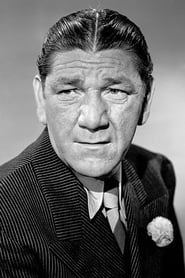
Shemp Howard
Actor
Born: March 11, 1895 in Brooklyn, New York, USA Died: November 22, 1955 Active: 1919-1955 Birth Name: Samuel Horwitz
Films
6 films
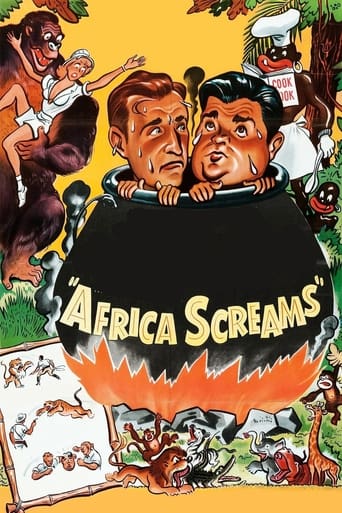
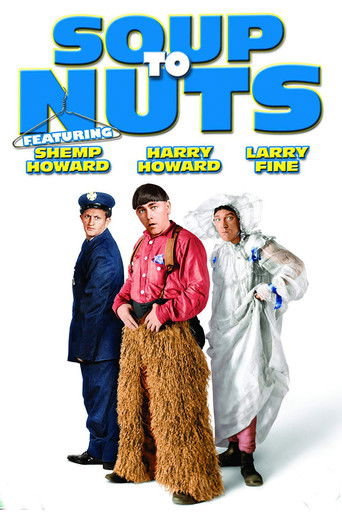
About Shemp Howard
Shemp Howard, born Samuel Horwitz, was an American comedian and actor best known as one of The Three Stooges, though his far beyond that comedy trio. He began his entertainment career in vaudeville in the 1920s alongside his brother Moe Howard, eventually joining Ted Healy's comedy act which would evolve into The Three Stooges. Shemp was actually part of the original Stooges lineup from 1922 to 1932 before leaving to pursue a successful solo career in Hollywood, appearing in over 100 films and shorts throughout the 1930s and early 1940s. In 1946, he reluctantly returned to The Three Stooges to replace his younger brother Curly, who had suffered a debilitating stroke, and continued with the group until his own sudden death in 1955. His unique comedic style featured distinctive vocalizations, including his famous 'bee-bee-bee' sound, panicked expressions, and a mastery of both physical and verbal comedy. Beyond his Stooges work, Shemp appeared in numerous Abbott and Costello films, W.C. Fields movies, and established himself as a reliable character actor in Hollywood's Golden Age. His contributions to American comedy have influenced countless comedians and cemented his place as recognizable faces of classic film comedy.
The Craft
On Screen
Shemp Howard developed a distinctive comedic style characterized by his high-pitched, panicked vocalizations, including his famous 'bee-bee-bee' sound when flustered or scared. His physical comedy was less acrobatic than his brother Curly's but relied more on exaggerated facial expressions, wild gesticulations, and a perpetually bewildered demeanor. He excelled at playing the 'third wheel' character who was often the victim of the other Stooges' antics, yet could seamlessly switch to being the instigator of chaos. Shemp's timing was impeccable, and he had a unique ability to convey both utter confusion and sudden inspiration in the same moment. His style incorporated elements of vaudeville slapstick with more subtle character work, making him equally effective in both broad comedy and supporting dramatic roles.
Milestones
- Original member of The Three Stooges (1922-1932)
- Successful solo film career in the 1930s and 1940s
- Returned to The Three Stooges replacing brother Curly (1946-1955)
- Appeared in over 250 films and shorts throughout his career
- Worked with comedy legends Abbott and Costello and W.C. Fields
- Starred in his own short film series for Columbia Pictures
- Posthumously received a star on the Hollywood Walk of Fame
Best Known For
Iconic Roles
Must-See Films
Accolades
Special Recognition
- Star on the Hollywood Walk of Fame (posthumous, 1983)
- Inducted into the Comedy Hall of Fame
- The Three Stooges received a star on the Hollywood Walk of Fame (1983)
Working Relationships
Worked Often With
Studios
Why They Matter
Impact on Culture
Shemp Howard's impact on American comedy culture is immeasurable, particularly through his work with The Three Stooges, whose short films have remained in continuous television syndication for decades, introducing new generations to classic physical comedy. His distinctive style of panic comedy and unique vocalizations have been referenced and parodied in countless films, TV shows, and cartoons, from The Simpsons to Family Guy. The term 'Shemping' entered industry slang to describe when a stunt double or stand-in appears in place of the main actor, originating from the practice of using Shemp's footage after his death to complete remaining Three Stooges shorts. His influence extends beyond just comedy performance; his ability to create memorable characters with minimal dialogue demonstrated the power of physical expression in film, influencing generations of silent film enthusiasts and modern mime artists. The enduring popularity of The Three Stooges, particularly the Shemp era shorts, has kept his work relevant for over 75 years, making him.
Lasting Legacy
Shemp Howard's legacy as a comedy pioneer endures through his extensive body of work that spans over three decades of American entertainment. As both an original member of The Three Stooges and a successful solo performer, he demonstrated remarkable versatility and staying power in the rapidly changing landscape of Hollywood comedy. His posthumous recognition includes a star on the Hollywood Walk of Fame and continued celebration by comedy enthusiasts worldwide. The Three Stooges Museum in Pennsylvania features extensive memorabilia from Shemp's career, and his films are regularly shown at classic film festivals and revival houses. Modern comedians frequently cite Shemp as an influence, particularly for his unique timing and ability to convey panic and confusion through subtle facial expressions. His work has been preserved and restored by various film archives, ensuring that future generations can appreciate his contributions to comedy history. Perhaps most importantly, Shemp's legacy lives on through the continued popularity of The Three Stooges, whose films have transcended their era to become timeless examples of physical comedy at its finest.
Who They Inspired
Shemp Howard's influence on comedy extends far beyond his contemporaries, affecting generations of performers who followed in his footsteps. His unique approach to physical comedy, particularly his ability to create humor through panic and bewilderment rather than just slapstick violence, influenced comedians like Jerry Lewis, who incorporated similar panicked expressions into his own work. The Three Stooges' style, heavily shaped by Shemp's contributions, directly influenced sketch comedy groups like Monty Python and The Kids in the Hall, who adopted similar rapid-fire pacing and physical gags. Modern comedians such as Adam Sandler and Will Ferrell have cited The Three Stooges as influences, with Sandler particularly incorporating Shemp-style vocalizations into his characters. Animation has also felt Shemp's impact, with cartoon characters like Yosemite Sam and various Looney Tunes figures exhibiting Shemp-like explosive tempers and panicked reactions. His technique of using minimal props to maximum comedic effect has become a staple of improv comedy and sketch comedy troupes worldwide.
Off Screen
Shemp Howard married Gertrude Frank in 1925, and they remained together until his death in 1955. The couple had one son, Morton, who was born in 1927. Despite his wild on-screen persona, Shemp was known as a quiet, gentle man off-camera who enjoyed playing cards and was an avid baseball fan. He was particularly close to his brother Moe, and their relationship remained strong throughout both their personal and professional lives. Shemp was notoriously afraid of many things in real life, including dogs, airplanes, and driving, which often translated into his panicked on-screen performances. He suffered from a heart condition for years, which ultimately contributed to his sudden death from a heart attack while returning home from a boxing match.
Education
Public schools in Brooklyn, New York; no formal higher education
Family
- Gertrude Frank (1925-1955)
Did You Know?
- His nickname 'Shemp' came from his mother's mispronunciation of 'Sam', his real name
- He was actually the first Stooge to leave the group, not Curly as many believe
- Shemp appeared in more films than any other Stooge, with over 250 credits
- He was deathly afraid of dogs, airplanes, and driving in real life
- After his death, Columbia used a double and recycled footage to complete four more Three Stooges shorts
- He was an avid baseball fan and friend of Babe Ruth
- Shemp was left-handed but often played right-handed characters on screen
- He never learned to drive and was chauffeured everywhere
- His famous 'bee-bee-bee' sound was improvised during one of his early films
- He was a talented amateur boxer in his youth
- Shemp's son Morton worked as a film editor in Hollywood
- He was the only Stooge to have a successful solo career before and after his time with the group
In Their Own Words
I'm a victim of soicumstance!
frequently used line in Stooges shorts)
Why I oughta.
often said before being interrupted or hit)
Bee-bee-bee-bee-bee!
his signature panicked sound)
Hey, Moe! Hey, Larry!
common refrain when trying to get attention)
This is a fine kettle of fish!
expression of frustration in various films)
I'll mop up the floor with ya!
threat that usually backfired)
Soitenly!
though more associated with Curly, Shemp used it too)
You're a smart imbecile!
insult he frequently used on other Stooges)
Frequently Asked Questions
Who was Shemp Howard?
American comedian and with credits in this catalog. Born Samuel Horwitz, he was part of the original Stooges lineup before leaving for a solo career, then returned to replace his brother Curly in 1946 until his death in 1955.
What films is Shemp Howard best known for?
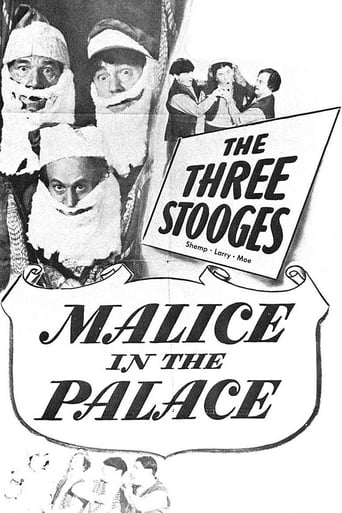
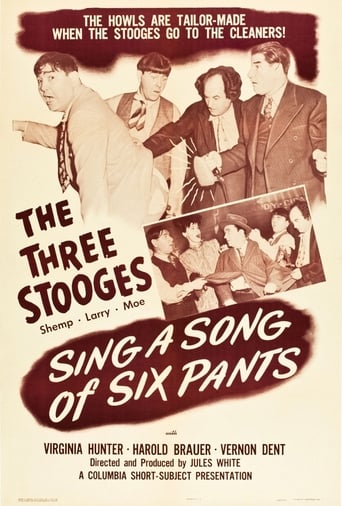
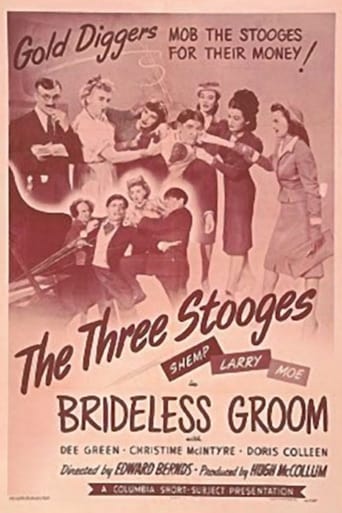
Titles linked here include Sing a Song of Six Pants (1947), Brideless Groom (1947).
When was Shemp Howard born and when did he die?
Born March 11, 1895; died November 22, 1955.
What awards did Shemp Howard win?
While Shemp Howard didn't receive major formal awards during his lifetime, he was posthumously honored with a star on the Hollywood Walk of Fame in 1983 and was inducted into the Comedy Hall of Fame for his contributions to American comedy.
What was Shemp Howard's acting style?
Shemp's acting style featured distinctive high-pitched vocalizations, panicked expressions, and physical comedy based on bewilderment rather than acrobatics. He was known for his 'bee-bee-bee' sound when flustered and excelled at playing both victim and instigator in comedic situations.
Why did Shemp Howard leave and later rejoin The Three Stooges?
Shemp originally left The Three Stooges in 1932 to pursue a solo film career, where he found considerable success. He returned in 1946 to replace his brother Curly, who had suffered a debilitating stroke, and remained with the group until his death in 1955.
How did Shemp Howard influence comedy?
Shemp Howard influenced generations of comedians through his unique timing, physical comedy style, and ability to create humor through panic and confusion. His work with The Three Stooges has remained continuously popular, influencing sketch comedy groups, animators, and modern comedians who cite his distinctive style as an inspiration.
What was Shemp Howard's real name?
Shemp Howard's real name was Samuel Horwitz. The nickname 'Shemp' came from his mother's mispronunciation of 'Sam' when he was a child, and it stuck with him throughout his career.