


Sing a Song of Six Pants
"The three stooges pursue a notorious burglar"
Keys: Space play/pause · ←/→ 10s · F fullscreen · M mute · </> speed
About this film
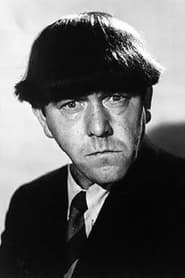
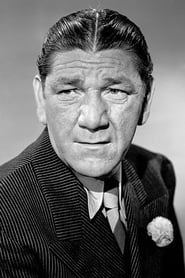
The three stooges pursue a notorious burglar in order to pay past due notes to the Skin & Flint company and save their tailor shop.
Cast & crew
More Comedy films
View all →






More from Jules White
View all →

More about this film
About the production
Release dateNovember 20, 1947
BudgetApproximately $25,000 (typical Columbia Pictures short film budget)
Box officeNot individually tracked - shorts were released as part of theater packages
ProductionColumbia Pictures Corporation
Filmed inColumbia Studios, Hollywood, California
This was one of the first shorts produced after Shemp Howard permanently rejoined the trio following his brother Curly's debilitating stroke. The film was shot in just two days on Columbia's short film schedule, with director Jules White employing his signature rapid-fire pacing. The production team reused some set pieces from previous Columbia shorts to maintain budget efficiency, a common practice for the studio's short film division.
Themes
Friendship and loyaltyEconomic struggle and perseveranceThe triumph of incompetenceJustice through luck rather than skillThe American dream of quick wealth
Themes & topics
tailor shopburglarreward moneyhandcuffsmistaken identityslapstick comedychase sequencephysical comedydebtcapture
Historical background
Released in 1947 during World War II and its aftermath, Sing a Song of Six Pants reached audiences when exhibitors were still defining programming conventions. The narrative hook—The three stooges pursue a notorious burglar—reflects what contemporary producers thought would draw viewers.
Why this film matters
Sing a Song of Six Pants remains discussed by archivists tracing how screen stories of its period represented work, desire, conflict, and social order. Its central situation—The three stooges pursue a notorious burglar—still prompts questions about genre conventions and audience expectations.
Making of
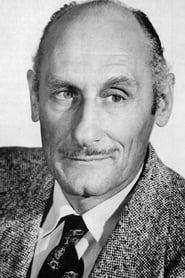
The production of 'Sing a Song of Six Pants' marked a significant transition period for the Three Stooges. Shemp Howard was still readjusting to the group dynamic after a 14-year absence, and the comedy timing had to be recalibrated to accommodate his different style compared to Curly's. Director Jules White, who had worked with the Stooges since their Columbia debut in 1934, had to modify his directing approach to suit Shemp's more verbal comedy style versus Curly's physical pantomime. The filming was completed in just two days, with the cast and crew working on Columbia's short film soundstages alongside other productions. Vernon Dent, playing the burglar, was a seasoned veteran of Stooges films and could anticipate their improvisational tendencies, often contributing to the comedy with his reactions.
What critics said
Trade and newspaper notices for Sing a Song of Six Pants generally emphasized casting, spectacle, and program fit rather than extended aesthetic argument. Retrospective screenings and archival notes continue to shape how viewers evaluate Sing a Song of Six Pants today.
Did you know?
- The title is a pun on the classic nursery rhyme 'Sing a Song of Sixpence'
- This was the 103rd short film the Three Stooges made for Columbia Pictures
- Vernon Dent, who played the burglar, appeared in more Three Stooges films than any other supporting actor (over 40 shorts)
- The film was released just months after Curly Howard's official retirement from the group due to health issues
- Director Jules White was known for his 'three takes and out' approach, often completing scenes in minimal takes
- The Skin & Flint company name was a running gag in Stooges shorts, appearing in multiple films
- Shemp Howard had originally left the act in 1932 but returned in 1946 to replace his ailing brother Curly
- The handcuff sequence was inspired by a similar gag from an earlier Stooges short but was reworked for Shemp's style
- Columbia released 8 Three Stooges shorts in 1947, maintaining their prolific output schedule
- The film's production number was 1846 in Columbia's short film cataloging system
Visual style
The cinematography, handled by Benjamin H. Kline, was straightforward and functional, designed primarily to clearly capture the physical comedy without distracting from the performances. The camera work followed the standard Columbia Pictures short film style, with static medium shots for dialogue sequences and following shots for chase scenes and physical gags. The lighting was bright and even, typical of studio comedies of the era, ensuring that all the slapstick action was clearly visible. The film used standard 35mm black and white film stock, with the cinematography focusing on capturing the timing of the physical comedy rather than artistic flourishes. The camera positioning was carefully planned to accommodate the Stooges' particular physical comedy style, often using wider shots to capture their coordinated movements and chaotic interactions.
Innovations
While not technically innovative, the film demonstrated the efficiency and polish of Columbia Pictures' short film production system. The studio had perfected the art of producing quality comedy shorts on tight schedules and budgets, with 'Sing a Song of Six Pants' exemplifying this streamlined approach. The film used standard editing techniques for comedy, including quick cuts during slapstick sequences and match cuts for visual gags. The sound recording was clean and clear, important for capturing the Stooges' distinctive vocal performances. The film's technical aspects were designed for reliability and repeatability rather than innovation, reflecting the industrial approach to short film production at major studios during the golden age of Hollywood.
Music
The musical score was composed by John Leipold, who provided music for numerous Columbia shorts. The soundtrack featured typical comedy short music of the era, with upbeat, jaunty themes during opening credits and chase sequences, and more dramatic stings for moments of physical comedy. The film included no original songs beyond the title reference, though incidental music helped punctuate the comedic timing. Sound effects were prominently featured, with exaggerated impacts, crashes, and boings enhancing the physical comedy. The audio mixing was designed to emphasize the Stooges' distinctive voices and their rapid-fire dialogue exchanges. The soundtrack followed the Columbia Pictures house style for comedy shorts, using a library of musical cues that could be quickly assembled for efficient production schedules.
Famous quotes
Moe: 'We're tailors, not tailors!' (during confusion about their profession)
Larry: 'Hey, this burglar's got more pockets than a pool table!'
Shemp: 'I've got it! We'll catch him with a... with a... with a thing!'
Moe: 'You're the smartest stupid person I ever met!'
Memorable scenes
- The opening sequence where the Stooges desperately try to hide from the Skin & Flint collection agent, culminating in them pretending to be mannequins. The chaotic handcuff scene where the Stooges accidentally cuff themselves together while trying to capture the burglar, leading to classic three-person coordinated comedy. The final chase sequence through the tailor shop with sewing machines, fabric, and clothing racks becoming obstacles and weapons in the slapstick mayhem.
What audiences thought
The film was well-received by theater audiences in 1947, who appreciated the familiar formula and reliable laughs provided by the Three Stooges. The shorts were particularly popular with children and working-class audiences who attended double features and newsreel programs. Audience feedback cards collected by theaters consistently showed positive responses to Stooges shorts, which helped maintain their production schedule throughout the late 1940s. The film gained renewed popularity when it entered television syndication in the late 1950s, reaching a much broader audience and helping to create new generations of Stooges fans. Today, the short maintains a strong following among classic comedy enthusiasts and continues to entertain audiences through home video releases and streaming platforms.
Film connections
Influenced by
- Vaudeville comedy routines
- Mack Sennett slapstick traditions
- Laurel and Hardy timing techniques
- Marx Brothers verbal wordplay
This film influenced
- Later Three Stooges shorts with similar capture-the-criminal plots
- Television sitcom physical comedy sequences
- Modern parody films that reference classic slapstick
Film restoration
The film is well-preserved in the Columbia Pictures library archives. The original 35mm negatives are maintained by Sony Pictures Entertainment, which owns the Columbia catalog. The short has been digitally restored for home video releases and streaming platforms, with excellent picture and sound quality. The film is considered complete with no lost footage, and multiple prints exist in both studio archives and private collections. It has been included in numerous Three Stooges DVD collections and is available through authorized streaming services, ensuring its preservation for future generations.
Where to watch
- The Three Stooges Collection on DVD/Blu-ray
- Sony's Crackle streaming service
- Amazon Prime Video (as part of Three Stooges collections)
- YouTube (official Sony Pictures uploads)
- Tubi streaming platform
- Pluto TV (classic comedy channels)
- The Three Stooges official website streaming service