Larry Fine
Actor
Born: October 5, 1902 in Philadelphia, Pennsylvania, USA Died: January 24, 1975 Active: 1923-1970 Birth Name: Louis Feinberg
Films
5 films
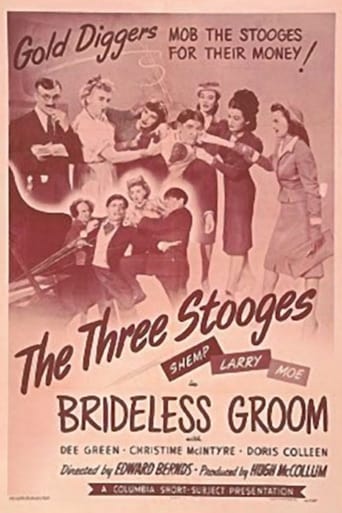
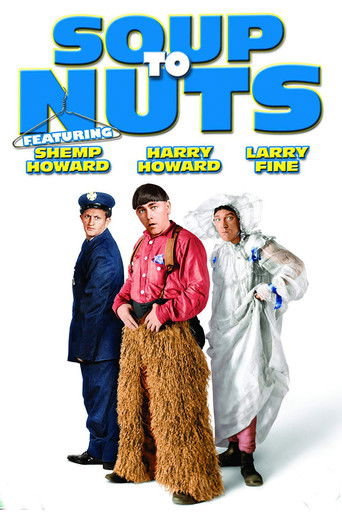
About Larry Fine
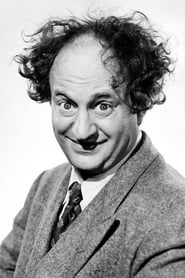
Larry Fine, born Louis Feinberg on October 5, 1902, in Philadelphia, Pennsylvania, was an American comedian and actor best known as the middle member of The Three Stooges comedy team. With his distinctive wild frizzy hair and high-pitched voice, Fine became an figure in American comedy through his work in over 200 short subjects and feature films. He began his career in vaudeville as a violinist and comedian before joining forces with Moe Howard and Shemp Howard in 1928 as part of Ted Healy's comedy act. When Shemp left to pursue a solo career, Curly Howard joined to create the classic Three Stooges lineup that would become. Fine's character typically served as the mediator between Moe's aggressive leadership and Curly's childlike antics, though he was equally prone to the slapstick violence and comedic chaos that defined their style. He continued performing with various lineups of The Three Stooges until suffering a debilitating stroke in 1970 that ended his career. Fine passed away on January 24, 1975, in Los Angeles, leaving behind a legacy as recognizable and beloved comedians in cinema history.
The Craft
On Screen
Larry Fine developed a distinctive comedic persona characterized by his wild, frizzy hair, which he would style by soaking in water and then letting it dry naturally. His character typically served as the middle ground between Moe's aggressive leadership and Curly's childish behavior, often acting as the voice of reason before succumbing to the chaos. Fine was known for his high-pitched voice, exasperated reactions, and his signature move of playing the violin during comedic routines. He was particularly skilled at physical comedy, especially eye-poking, face-slapping, and other forms of slapstick violence that became The Three Stooges' trademark. Fine also incorporated his musical talents into many performances, often breaking into violin solos that would hilariously interrupt the action.
Milestones
- Joining The Three Stooges in 1928 as part of Ted Healy's vaudeville act
- Starring in over 190 short films for Columbia Pictures from 1934-1957
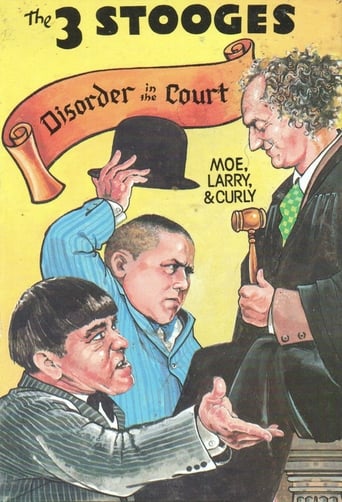
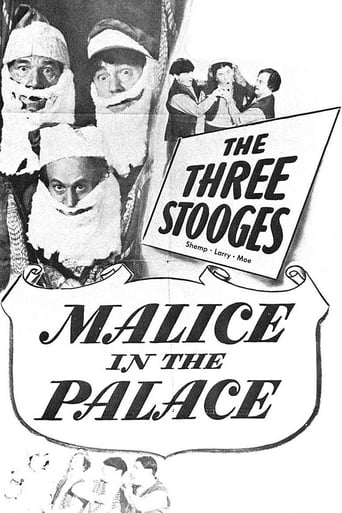
- Appearing in classic Three Stooges shorts like 'Disorder in the Court' (1936) and 'Malice in the Palace' (1949)
- Performing live comedy shows worldwide after their film career ended in the 1960s
- Receiving a star on the Hollywood Walk of Fame in 1983 (posthumously)
- Having several Three Stooges films preserved in the National Film Registry
Best Known For
Iconic Roles
Must-See Films
Accolades
Won
- Hollywood Walk of Fame Star (1983, posthumously)
- The Three Stooges received a special Academy Award for their contributions to comedy (shared with the team)
Nominated
- No major individual award nominations, as short subject comedies were rarely recognized by major award bodies during his era
Special Recognition
- Hollywood Walk of Fame Star (1983)
- Inducted into the International Comedy Hall of Fame
- The Three Stooges received a star on the St. Louis Walk of Fame
- Several Three Stooges films preserved in the National Film Registry
Working Relationships
Worked Often With
Studios
Why They Matter
Impact on Culture
Larry Fine, as part of The Three Stooges, revolutionized screen comedy with their unique brand of violent slapstick and absurd humor that pushed the boundaries of acceptable comedic content. Their short films, particularly those featuring Larry alongside Moe and Curly Howard, became cultural touchstones during the Great Depression and World War II, providing audiences with much-needed laughter during difficult times. The Three Stooges' style influenced countless comedians and comedy troupes, from The Marx Brothers to modern performers like Jim Carrey and The Farrelly Brothers, who directed the 2012 Three Stooges film. Larry's distinctive look and mannerisms have been referenced and parodied in numerous films, television shows, and cartoons, making him. Their work has been preserved in the National Film Registry, with several of their shorts being selected for their cultural, historical, and aesthetic significance.
Lasting Legacy
Larry Fine's legacy endures through the continued popularity of The Three Stooges' films, which remain in constant rotation on television and streaming platforms decades after their original release. His character's unique position as the 'middle Stooge' created a perfect comedic balance that has been studied by comedy scholars and emulated by performers worldwide. The Three Stooges' influence extends beyond comedy into popular culture, with their catchphrases, sound effects, and visual gags becoming part of the American cultural lexicon. Larry's distinctive hairstyle and exasperated reactions have become iconic symbols of classic comedy, recognized even by those who have never seen a complete Three Stooges film. The preservation of their work by film archives and the continued interest from new generations of fans ensure that Larry Fine's contribution to cinema will be appreciated for years to come.
Who They Inspired
Larry Fine's comedic timing and physical comedy techniques influenced generations of performers, from early television comedians like Milton Berle to modern slapstick artists. His ability to play both the straight man and the comic relief within the same routine demonstrated remarkable versatility that became a model for ensemble comedy performances. The Three Stooges' approach to physical comedy, particularly their exaggerated violence and sound effects, has been referenced in everything from Looney Tunes cartoons to modern action comedies. Fine's distinctive style of reacting to chaos with both horror and participation created a template for the 'reluctant participant' character that appears in countless comedy ensembles. Contemporary comedians who cite The Three Stooges as influences include Adam Sandler, Chris Farley, and the members of The Three Stooges tribute acts that continue to perform worldwide.
Off Screen
Larry Fine married Mabel Haney in 1926, and they remained together until her death in 1967. The couple had two children, a son named John and a daughter named Phyllis. Fine was known for his gambling habits and often struggled with financial difficulties despite his success with The Three Stooges. He was also an avid baseball fan and enjoyed playing the violin in his spare time, often practicing for hours to maintain his skills. After suffering a stroke in 1970, Fine spent his final years in a nursing home, where he was frequently visited by his former Stooges partner Moe Howard until Moe's death in 1975, just months before Fine's own passing.
Education
Limited formal education, as he began performing in vaudeville as a teenager
Family
- Mabel Haney (1926-1967)
Did You Know?
- Larry's real name was Louis Feinberg, but he changed it because 'Fine' sounded more sophisticated
- His trademark frizzy hair was caused by a childhood accident with acid that burned his scalp, preventing hair from growing properly
- He was an accomplished violinist and often incorporated violin playing into The Three Stooges routines
- Larry was the only member of The Three Stooges who was not related to the Howard brothers
- He was an avid gambler and once lost $23,000 in a single night of poker
- Larry was the only Stooge to serve in the military during World War II
- He appeared in over 200 films during his career, most of them short subjects
- Larry's character was originally conceived as the more sophisticated, educated member of the trio
- He suffered a stroke in 1970 that left him partially paralyzed and unable to perform
- Larry was the only original Stooge to appear with all three of the third Stooges (Curly, Shemp, and Joe Besser)
- His distinctive high-pitched voice was partly the result of a childhood injury to his vocal cords
- He was known to practice violin for up to four hours daily to maintain his skills
In Their Own Words
'I'm a victim of soicumstance!' (from various Three Stooges shorts)
'Hey, Moe! Hey, Moe!' (his characteristic call to Moe)
'Wait a minute, wait a minute!' (often said when trying to intervene in Stooges chaos)
'Oh, wise guy!' (frequently said to Moe after being hit)
'This is all your fault!' (often said to whichever Stooge caused the current disaster)
'Why, I oughta.!' (in response to Moe's aggression)
'Soitenly!' (adopted from Curly but used by Larry as well)
'Nyuk, nyuk, nyuk!' (laugh that became a Three Stooges trademark)
Frequently Asked Questions
Who was Larry Fine?
American comedian and with credits in this catalog. With his wild frizzy hair and distinctive high-pitched voice, he appeared in over 200 comedy shorts and feature films from the 1930s through the 1960s, becoming.
What films is Larry Fine best known for?
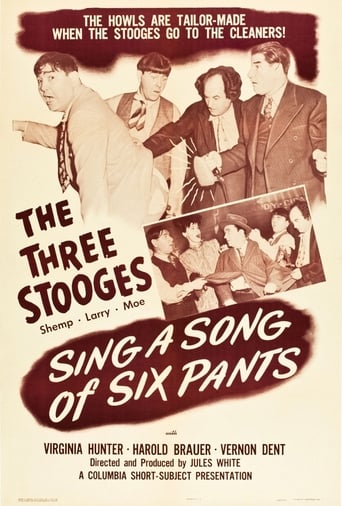
Titles linked here include Disorder in the Court (1936), Sing a Song of Six Pants (1947).
When was Larry Fine born and when did he die?
Born October 5, 1902; died January 24, 1975.
What awards did Larry Fine win?
Larry Fine received a star on the Hollywood Walk of Fame in 1983 (posthumously) as part of The Three Stooges. The team was also inducted into the International Comedy Hall of Fame and received a star on the St. Louis Walk of Fame. While short subject comedies were rarely recognized by major awards during his era, their cultural contributions have been widely acknowledged in later years.
What was Larry Fine's acting style?
Larry Fine developed a distinctive comedic persona characterized by his wild frizzy hair, high-pitched voice, and exasperated reactions to chaos. He typically served as the middle ground between Moe's aggression and Curly's childish behavior, often acting as the voice of reason before succumbing to the slapstick violence. Fine was also an accomplished violinist who frequently incorporated musical elements into his comedy routines.
Was Larry Fine related to the other Stooges?
No, Larry Fine was not related to the Howard brothers (Moe, Curly, and Shemp) who made up the other members of The Three Stooges. He was the only original member who was not part of the Howard family, having joined the group through his vaudeville connections and musical abilities.
How did Larry Fine get his trademark hairstyle?
Larry's trademark frizzy hair was the result of a childhood accident where he spilled acid on his arm, and when he raised his arm to protect his face, some acid splashed onto his scalp. This caused permanent damage that prevented his hair from growing normally, resulting in the wild, frizzy appearance that became his signature look.