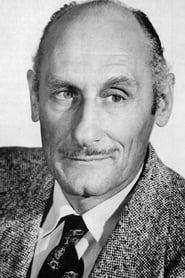
Jules White
Actor & Director
Born: September 17, 1900 in Budapest, Austria-Hungary Died: April 30, 1993 Active: 1920-1958 Birth Name: Julius Weiss
Films
4 films

About Jules White
Jules White, born Julius Weiss, was a Hungarian-born American film director and producer who became prolific directors in Hollywood history, particularly renowned for his work with The Three Stooges at Columbia Pictures. After immigrating to the United States as a child, White began his career in the film industry as a child actor before transitioning to cinematography and eventually directing. He joined Columbia Pictures in the 1930s and quickly established himself as the studio's go-to director for comedy shorts, helming over 300 shorts throughout his career. White was particularly famous for his work with The Three Stooges, directing more than 100 of their two-reel comedies and helping to shape their signature style of physical comedy. His directing approach emphasized rapid pacing, elaborate sight gags, and efficient production techniques, earning him the nickname 'One-Shot Jules' for his ability to complete scenes in minimal takes. Beyond The Three Stooges, White directed shorts featuring other comedy teams and solo performers, making him figures in the golden age of Hollywood comedy shorts. He continued working in the industry through the 1950s before retiring, leaving behind a legacy of over 400 directed films and a lasting impact on American comedy cinema.
The Craft
Behind the Camera
Jules White's directing style was characterized by rapid pacing, elaborate physical comedy sequences, and highly efficient production methods. He was known for his 'one-shot' approach, often completing complex scenes in minimal takes to save time and money while maintaining comedic timing. White emphasized visual gags over dialogue, preferring to let the physical comedy speak for itself, and he had a particular talent for setting up and executing intricate slapstick routines. His direction favored tight framing to emphasize facial expressions and physical reactions, and he was skilled at choreographing multi-person comedy sequences that appeared chaotic but were precisely timed.
Milestones
- Directed over 300 comedy shorts for Columbia Pictures
- Directed more than 100 Three Stooges shorts
- Pioneered efficient production techniques for comedy filmmaking
- Helped define the visual style of American slapstick comedy
- Served as head of Columbia Pictures' short subjects department
- Mentored numerous comedy performers and directors
Best Known For
Iconic Roles
Must-See Films
Accolades
Special Recognition
- Star on the Hollywood Walk of Fame (inducted posthumously)
Working Relationships
Worked Often With
Studios
Why They Matter
Impact on Culture
Jules White had a profound impact on American comedy cinema, particularly in the short film format that dominated theaters before television. His work with The Three Stooges helped create. White's efficient production methods and understanding of comedic timing influenced generations of comedy directors, and his visual style of slapstick comedy became a template for physical comedy in both film and television. The shorts he directed have been preserved and studied as important examples of American comedy, with many film scholars considering them essential to understanding the evolution of screen comedy.
Lasting Legacy
Jules White's legacy is primarily defined by his extensive body of work with The Three Stooges, which continues to entertain audiences worldwide through television reruns, home video releases, and streaming platforms. His films represent a significant portion of the surviving examples of Hollywood's golden age of comedy shorts, providing insight into the production methods and comedic sensibilities of mid-20th century American cinema. White's influence can be seen in the work of later comedy directors who adopted his efficient shooting techniques and emphasis on physical comedy. The Three Stooges shorts he directed have become cultural touchstones, referenced and parodied in countless films, television shows, and other media, ensuring that White's contribution to comedy cinema remains relevant to contemporary audiences.
Who They Inspired
Jules White influenced numerous comedy directors through his innovative production techniques and understanding of visual comedy. His emphasis on efficiency and his ability to create comedy within the constraints of studio production budgets became a model for television comedy directors in the 1950s and beyond. Directors such as Edward Bernds and Del Lord learned from White's methods, and his approach to physical comedy influenced later filmmakers including Mel Brooks and the Farrelly brothers. The Three Stooges performers themselves credited White with helping them develop their screen personas and comedic timing, with his direction becoming integral to their success.
Off Screen
Jules White married twice during his lifetime and had children who would later work in the entertainment industry. He was known as a family man who maintained a relatively private personal life despite his high-profile career in Hollywood. White was known for his work ethic and dedication to his craft, often working long hours to maintain Columbia Pictures' demanding production schedule for comedy shorts. He retired from directing in the late 1950s and spent his remaining years in Los Angeles, where he lived until his death at age 92.
Education
Self-taught in filmmaking; no formal film education
Family
- Frieda White (1925-1945)
- Barbara White (1946-1993)
Did You Know?
- Was nicknamed 'One-Shot Jules' for his efficiency in filming scenes
- Directed over 300 short films during his career
- Was born Julius Weiss but changed his name to Jules White when entering the film industry
- Started as a child actor before becoming a cinematographer and director
- His brothers Sam White and Jack White also worked as directors in Hollywood
- Often reused gags and props from earlier shorts to save production costs
- Was known for his strict adherence to Columbia's tight production schedules
- Many of his films were shot in just 2-3 days
- Helped discover and develop numerous comedy performers
- His films were often used as training material for new comedy directors
In Their Own Words
We don't have time for retakes. Get it right the first time or we'll move on.
Comedy is timing. If you don't have the timing, you don't have the comedy.
The secret to a good short subject is packing more laughs into fewer minutes.
Frequently Asked Questions
Who was Jules White?
Prolific Hungarian-American on YTB.my. He was.
What films is Jules White best known for?
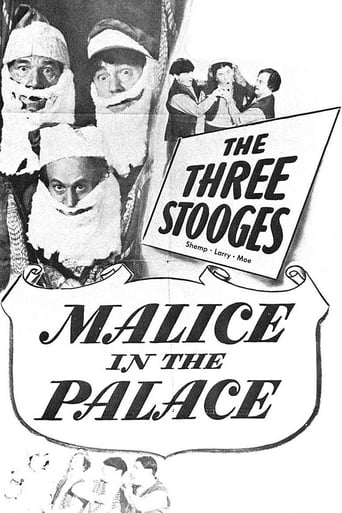
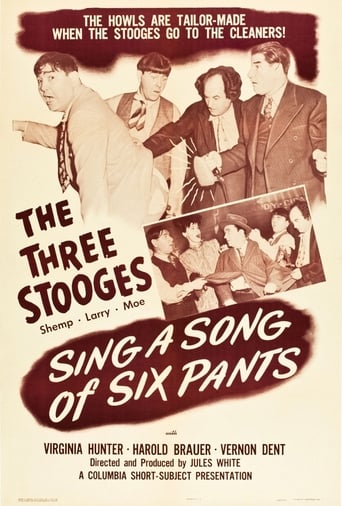
Titles linked here include Sing a Song of Six Pants (1947), Malice in the Palace (1949).
When was Jules White born and when did he die?
Born September 17, 1900; died April 30, 1993.
What awards did Jules White win?
While Jules White did not receive major industry awards during his lifetime, his contributions to comedy cinema were recognized posthumously with a star on the Hollywood Walk of Fame. His legacy is primarily celebrated through the enduring popularity of the films he directed.
What was Jules White's directing style?
White's directing style emphasized rapid pacing, efficient production, and elaborate physical comedy. He was known for completing scenes in minimal takes, tight framing to emphasize reactions, and choreographing complex slapstick routines. His approach prioritized visual gags over dialogue and helped define the classic Three Stooges comedy formula.
How many films did Jules White direct?
Jules White directed over 300 short films during his career, with more than 100 of them being Three Stooges shorts. His prolific output made him.
Did Jules White work with anyone besides The Three Stooges?
Yes, while best known for his work with The Three Stooges, White directed shorts featuring many other comedy performers including Hugh Herbert, Andy Clyde, El Brendel, and Harry Langdon. He also worked with his brothers Sam and Jack White, who were also directors in Hollywood.
What was Jules White's role at Columbia Pictures?
At Columbia Pictures, White served as a key director in the short subjects department and eventually became head of the division. He was responsible for maintaining the studio's demanding production schedule for comedy shorts and helped establish Columbia as a major producer of comedy content during the golden age of Hollywood.