Moe Howard
Actor
Born: June 19, 1897 in Bensonhurst, Brooklyn, New York, USA Died: May 4, 1975 Active: 1921-1975 Birth Name: Moses Harry Horwitz
Films
5 films
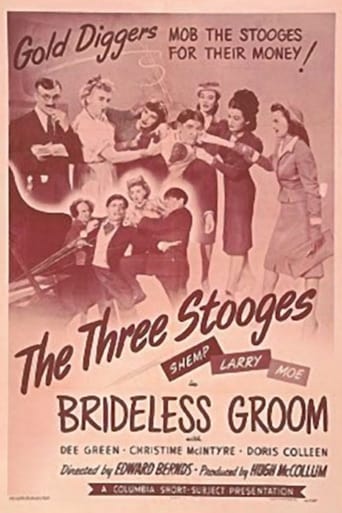
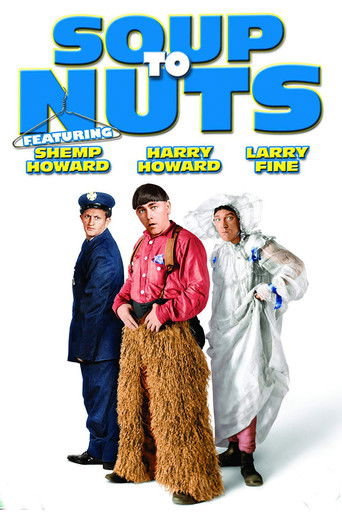
About Moe Howard
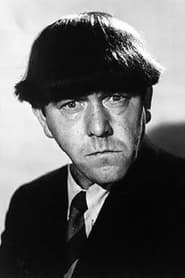
Moses Harry Horwitz, better known as Moe Howard, was born on June 19, 1897, in Brooklyn, New York, and rose to become recognizable figures in American comedy history. He began his entertainment career in vaudeville as a teenager, initially partnering with his older brother Shemp Howard before forming the comedy team that would become The Three Stooges. Moe served as the de facto leader and straight man of the group, characterized by his distinctive bowl haircut, gravelly voice, and signature eye-poking slaps. Throughout his career spanning over five decades, he appeared in more than 200 film shorts and feature films, first with Columbia Pictures and later in independent productions. After the death of his brother Curly in 1952, Moe successfully transitioned the group through various lineup changes while maintaining their popularity. He continued performing well into his 70s, appearing on television shows and making personal appearances until his health declined. Moe Howard passed away on May 4, 1975, leaving behind a legacy as one of comedy's most enduring and influential performers.
The Craft
On Screen
Moe Howard developed a distinctive comedic style centered on his role as the aggressive, quick-tempered leader of The Three Stooges. His performance was characterized by rapid-fire dialogue, exaggerated facial expressions, and his signature physical comedy techniques including eye-poking, face slapping, and head bonking. Despite his on-screen bullying of his fellow Stooges, Moe maintained a certain charm that audiences found endearing, often serving as the driving force behind the group's chaotic routines. His timing was impeccable, and he possessed the unique ability to transition seamlessly from angry outbursts to moments of genuine affection for his partners.
Milestones
- Formed The Three Stooges with his brother Shemp and Larry Fine in 1922
- Signed with Columbia Pictures in 1934 for a series of comedy shorts
- Appeared in 190 Three Stooges shorts for Columbia Pictures
- Successfully transitioned the group after Curly Howard's stroke in 1946
- Starred in the feature film 'The Three Stooges Meet Hercules' (1962)
- Appeared on numerous television shows in the 1960s and 1970s
- Published autobiography 'Moe Howard and The Three Stooges' in 1977 (posthumously)
Best Known For
Iconic Roles
Must-See Films
Accolades
Won
- Star on the Hollywood Walk of Fame (1983, posthumous)
Nominated
- Academy Award nomination for Best Live Action Short Film for 'Men in Black' (1934)
Special Recognition
- Inducted into the St. Louis Walk of Fame (2009)
- The Three Stooges received a star on the Hollywood Walk of Fame (1983)
- Featured on U.S. Postage stamp as part of 'Legends of Hollywood' series (2008)
Working Relationships
Worked Often With
Studios
Why They Matter
Impact on Culture
Moe Howard and The Three Stooges revolutionized American comedy with their unique brand of physical humor that combined vaudeville traditions with film innovation. Their work at Columbia Pictures created a new template for short-form comedy that would influence television sitcoms and comedy sketches for decades. The Three Stooges became cultural icons whose catchphrases, sound effects, and visual gags entered the American lexicon, with Moe's distinctive leadership style and bowl haircut becoming instantly recognizable symbols of comedy. Their films experienced multiple revivals, introducing new generations to their humor through television syndication in the 1950s and 1960s, home video releases, and animated adaptations.
Lasting Legacy
Moe Howard's legacy extends far beyond his film performances, as he helped create. The Three Stooges have inspired countless comedians, filmmakers, and performers, with their influence evident in everything from The Simpsons to modern comedy troupes. Moe's business acumen and dedication to preserving The Three Stooges brand ensured their continued relevance long after their peak years, leading to feature films, animated series, and merchandise that continue to generate new fans. His autobiography and the scholarly work of his daughter Joan have helped cement The Three Stooges' place in American cultural history, while his distinctive comedic timing and physical techniques remain studied by comedy enthusiasts and performers worldwide.
Who They Inspired
Moe Howard's influence on comedy is immeasurable, with his aggressive-yet-charming leadership style becoming a template for comedy group dynamics. His physical comedy techniques, particularly the eye-poke and face-slap, have been referenced and parodied in countless films and television shows. Comedians from Jerry Lewis to Jim Carrey have cited The Three Stooges as major influences, with Moe's straight-man-with-an-edge approach particularly influential in shaping how comedy trios balance their performances. The Three Stooges' success in short films paved the way for future comedy formats, including television sketch shows and internet comedy series, proving that brief, punchy comedy could have lasting cultural impact.
Off Screen
Moe Howard married Helen Schonberger in 1925, a cousin of magician Harry Houdini, and they remained married until her death in 1975, just months before his own. The couple had two children, Paul and Joan, with Paul briefly following in his father's footsteps as a performer. Despite his on-screen persona as a bully, Moe was known in private as a gentle, intelligent, and devoted family man who was an avid reader and chess player. He was also a successful real estate investor, which provided financial security for his family during periods when The Three Stooges' popularity waned.
Education
Attended Public School 132 in Brooklyn but dropped out at an early age to pursue show business
Family
- Helen Schonberger (1925-1975)
Did You Know?
- His iconic bowl haircut was inspired by a childhood incident where he cut his own hair with shears
- He was the only Stooge to appear in every Three Stooges lineup from 1922 to 1970
- He was an excellent chess player and often played between takes on film sets
- His catchphrase 'Why, I oughta.' became one of comedy's most quoted lines
- He served in the U.S. Army during World War I but was discharged due to a heart murmur
- He was a successful real estate investor who owned several properties in the San Fernando Valley
- He was the only Stooge to write an autobiography about his experiences
- His distinctive voice was partly the result of a throat injury sustained in a childhood accident
- He appeared in more films than any other member of The Three Stooges
- He was offered a solo career by Columbia Pictures but refused to abandon his partners
- His wife Helen was a cousin of famous magician Harry Houdini
- He was an avid reader who maintained a personal library of over 3,000 books
In Their Own Words
Why, I oughta.
Spread out!
You're a smart-aleck, aren't you?
I'm a victim of soicumstance!
Listen to me, you porcupine!
Oh, a wise guy, eh?
Knuckleheads!
This is an outrage!
I'll murder you!
You couldn't get a job scaring crows away from a cornfield!
Frequently Asked Questions
Who was Moe Howard?
Moe Howard, born Moses Harry Horwitz, was the leader and founding member of The Three Stooges, one of comedy's most iconic and enduring acts. Known for his distinctive bowl haircut and aggressive-yet-charismatic personality, he served as the straight man and driving force behind the comedy trio's success in over 200 films spanning five decades.
What films is Moe Howard best known for?
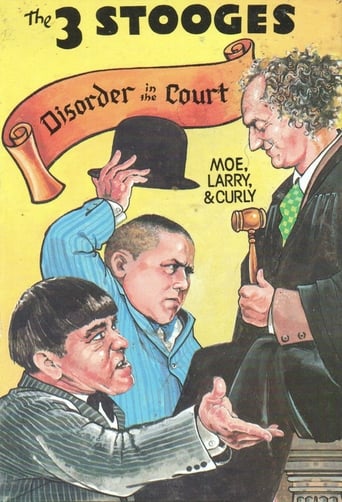
Titles linked here include Disorder in the Court (1936), A Plumbing We Will Go (1940).
When was Moe Howard born and when did he die?
Born June 19, 1897; died May 4, 1975.
What awards did Moe Howard win?
Moe Howard and The Three Stooges received an Academy Award nomination for Best Live Action Short Film for 'Men in Black' in 1934. Posthumously, he received a star on the Hollywood Walk of Fame in 1983, was inducted into the St. Louis Walk of Fame in 2009, and appeared on a U.S. Postage stamp as part of the 'Legends of Hollywood' series in 2008.
What was Moe Howard's acting style?
Moe Howard developed a distinctive comedic style characterized by his role as the aggressive leader of The Three Stooges. His performance featured rapid-fire dialogue, exaggerated facial expressions, and signature physical comedy including eye-poking and face-slapping. Despite his on-screen bullying, he maintained impeccable timing and a certain charm that made him beloved by audiences worldwide.