Films
4 films
About Lucy d'Orbel
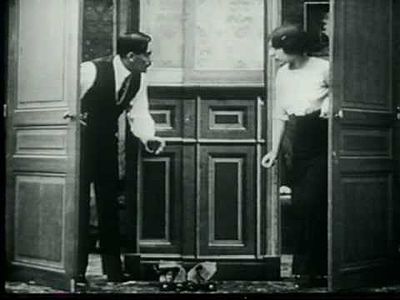
French actress who worked briefly during the early silent film era, appearing in a small number of productions between 1911 and 1912. She is known primarily for her roles in two Max Linder comedies, which were part of the popular French film series starring the renowned comedian. Her career coincided with the burgeoning years of European cinema, when France was still a dominant force in global film production. D'Orbel's appearances were relatively minor, typical of many supporting actors of the period who appeared in just a handful of films before either leaving the industry or moving into other theatrical work. Her filmography represents the typical pattern of many early cinema actors whose careers were brief but who contributed to the development of the medium during its formative years. The fact that her name has been preserved in film credits, however briefly, suggests she was recognized enough to be Lucy d'Orbel appeared in the productions. Unfortunately, like many actors from this very early period, detailed biographical information about her life and career remains scarce.
The Craft
Milestones
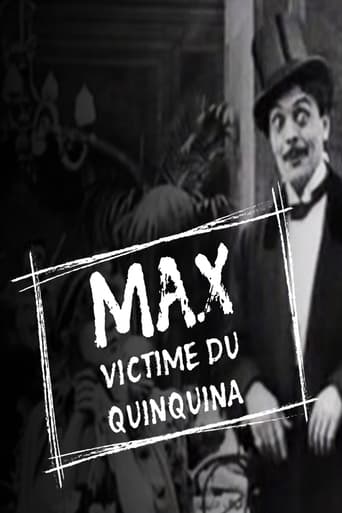
- Appeared in Max Takes Tonics (1911)
- Appeared in The Romance of Max (1912)
- Worked during the golden age of French silent comedy
Best Known For
Must-See Films
Working Relationships
Worked Often With
Why They Matter
Impact on Culture
Lucy d'Orbel's contribution to cinema, while minor, represents the collective effort of countless early film actors who helped establish the foundations of the movie industry. Her appearances in Max Linder films place her within the context of early French comedy, which was highly influential in developing cinematic comedy techniques worldwide. Though her roles were small, she was part of productions that helped establish Max Linder as one of the first international film stars, paving the way for later comedians like Charlie Chaplin. Her work, preserved only in film credits, exemplifies how many early cinema contributors have become footnotes in film history despite their participation in significant cultural productions of their time.
Lasting Legacy
Lucy d'Orbel's legacy is primarily that of a representative figure from the earliest days of cinema - a performer whose brief career illuminates the transient nature of early film stardom. She serves as an example of the many actors who passed through the film industry during its nascent years, contributing to important works before disappearing from the historical record. Her association with Max Linder places her within the history of early comedy, and her preservation in film credits ensures she is not entirely forgotten, even if detailed information about her life and career remains elusive.
Who They Inspired
As a brief contributor to early Max Linder comedies, Lucy d'Orbel's direct influence on subsequent performers is difficult to trace. However, her participation in these early French comedies means she was part of productions that influenced the development of cinematic comedy globally. The Max Linder series was particularly influential on Charlie Chaplin and other early comedians, so in this indirect way, d'Orbel was connected to the evolution of film comedy as an art form.
Off Screen
Very little is known about Lucy d'Orbel's personal life, which is typical for many supporting actors from the early silent era who had brief film careers. Like many performers of this period, she may have come from a theatrical background or been discovered during the early boom in French cinema production.
Did You Know?
- Appeared in films during the peak of French cinema's global dominance
- Worked with Max Linder, one of the first international film stars
- Her active years covered only two years, typical of many early cinema actors
- Both of her known films were short comedies, a popular format of the era
- Her filmography represents the transitional period when cinema was establishing itself as a serious art form
- Like many early actors, she likely came from theatrical or vaudeville backgrounds
- The preservation of her name in credits is notable given how many early performers went uncredited
Frequently Asked Questions
Who was Lucy d'Orbel?
French actress who worked briefly in early silent cinema between 1911 and 1912, appearing in two Max Linder comedy films. She represents the many supporting actors from the early film era who had short but meaningful careers during cinema's formative years.
What films is Lucy d'Orbel best known for?
Titles linked here include Max Takes Tonics (1911), The Romance of Max (1912).
When was Lucy d'Orbel born and when did she die?
Unfortunately, specific birth and death dates for Lucy d'Orbel are not available in historical records, which is common for many supporting actors from the very early silent film era who had brief careers.
What awards did Lucy d'Orbel win?
Lucy d'Orbel did not receive any recorded awards or nominations, which was typical for most actors during the very early years of cinema before formal award systems were established.
What was Lucy d'Orbel's acting style?
Specific details about Lucy d'Orbel's acting style are not documented, but she likely worked within the exaggerated, theatrical style common in early silent comedy films, particularly those starring Max Linder.