Films
2 films
About Blair
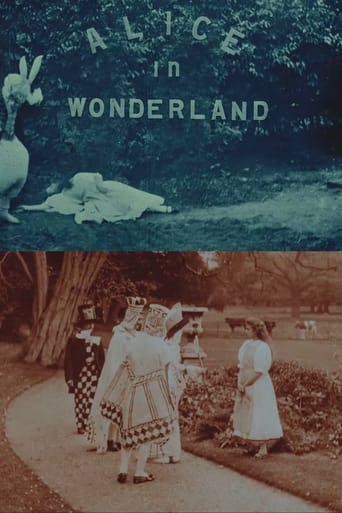
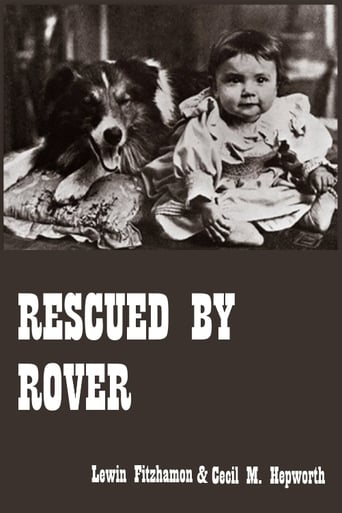
Blair appears in Alice in Wonderland (1903), Rescued by Rover (1905) in this catalog. Working primarily with the Hepworth Manufacturing Company, one of Britain's most important early film studios. Their brief but notable from 1903 to 1905, during which they participated in two landmark films that helped establish the language of cinema. In Cecil Hepworth's 1903 adaptation of 'Alice in Wonderland,' Blair contributed to what is now recognized as the earliest surviving film adaptation of Lewis Carroll's beloved work. Two years later, they appeared in 'Rescued by Rover,' a film that revolutionized film narrative with its sophisticated chase sequence and editing techniques. Like many actors of this era, Blair's work was without on-screen billing in the traditional sense, as film acting was still emerging as a profession and performers were often listed only by surname or not at all. Their career, though brief, placed them at the forefront of cinema's development during its most formative years.
The Craft
On Screen
As an actor in the earliest days of cinema, Blair's performance style would have been characterized by the exaggerated gestures and theatrical techniques common to stage actors transitioning to film. The acting of this period emphasized broad, clear movements that could be easily understood by audiences and captured by the relatively primitive camera equipment of the era. Silent film performers of this time relied heavily on facial expressions and body language to convey emotion and narrative, as intertitles were limited and sound technology had not yet been developed.
Milestones
- Appeared in the first film adaptation of Alice in Wonderland (1903)
- Participated in the innovative chase film Rescued by Rover (1905)
- Worked with director Cecil Hepworth
- Contributed to early British cinema during its formative period
Best Known For
Iconic Roles
Must-See Films
Working Relationships
Worked Often With
Studios
Why They Matter
Impact on Culture
Blair's contribution to early cinema, while brief, represents the important work of actors who helped establish film as a legitimate art form during its nascent years. Their participation in 'Alice in Wonderland' and 'Rescued by Rover' places them within the context of films that were technically and narratively innovative for their time. These early performers laid the groundwork for the acting techniques and film language that would evolve throughout the 20th century, even though their individual contributions have largely been lost to history.
Lasting Legacy
As one of the earliest film actors, Blair's legacy is tied to the era of British cinema when the medium was still defining itself. Their work in two historically significant films ensures their place in cinema history, even though personal details remain elusive. The preservation of 'Alice in Wonderland' and 'Rescued by Rover' means that Blair's performances survive as artifacts of early 20th-century filmmaking, representing the transition from theatrical to cinematic performance styles.
Who They Inspired
Given the extremely early period of Blair's career, direct influence on later actors is difficult to trace, but they were part of the generation that established basic film acting techniques. The performers of this era unknowingly influenced subsequent generations by developing the visual language of film performance that would be refined and expanded throughout the silent era and beyond.
Off Screen
Very little is known about Blair's personal life, as was common for many early film actors whose biographical details were not systematically recorded. The film industry was still in its infancy during their active years, and actors were often treated as anonymous performers rather than celebrated personalities. Like many of their contemporaries, Blair likely came from a theatrical background, as stage actors were among the first to transition to the new medium of cinema.
Did You Know?
- Appeared in what is now considered the earliest surviving film adaptation of Alice in Wonderland
- Worked during the period when film actors were often listed only by surname
- Participated in films made before the concept of 'movie stars' had emerged
- Their film 'Rescued by Rover' was so popular it was remade in 1906
- Both films they appeared in were produced by the Hepworth Manufacturing Company
- The films were made when cinema was still primarily a novelty attraction
- Their active years covered only two years, typical for many early film actors
- Both films are now preserved as important artifacts of early cinema
Frequently Asked Questions
Who was Blair?
Screen credits include two films during cinema's formative years, working with the Hepworth Manufacturing Company from 1903 to 1905.
What films is Blair best known for?
Titles linked here include Alice in Wonderland (1903), Rescued by Rover (1905).
When was Blair born and when did they die?
Unfortunately, Blair's birth and death dates are not recorded in historical archives, which was common for many early film actors whose biographical details were not systematically documented.
What awards did Blair win?
Blair did not receive any formal awards or recognition, as the film industry had not yet established award systems during their brief career in the early 1900s.
What was Blair's acting style?
Like actors of the early silent era, Blair likely employed theatrical techniques with exaggerated gestures and broad movements to ensure performances were clearly understood by audiences and captured by primitive camera equipment.
Why is so little known about Blair?
Information about Blair is scarce because they worked during cinema's earliest days when actors were often anonymous and detailed records were not kept. Many performers from this period remain largely undocumented in film history.