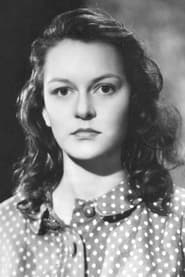
Carol Marsh
Actor
Born: May 16, 1926 in East Ham, Essex, England Died: March 6, 2010 Active: 1947-1955 Birth Name: Norma Lilian Simpson
Films
1 film
About Carol Marsh
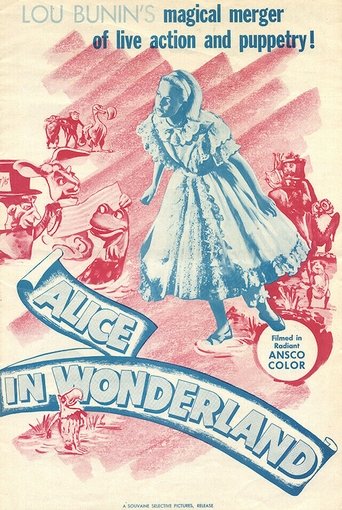
Carol Marsh, born Norma Lilian Simpson, was a British actress who rose to prominence in the late 1940s British cinema scene. Her breakthrough role came in 1947 when she was cast as Rose Brown in the critically acclaimed film adaptation of Graham Greene's 'Brighton Rock,' starring alongside Richard Attenborough. Marsh's most memorable performance came in 1949 when she portrayed Alice in the French-British production 'Alice in Wonderland,' directed by Dallas Bower and Lou Bunin, which combined live-action with stop-motion animation. Throughout the early 1950s, she continued to work steadily in British cinema, appearing in notable films such as 'The Man in the White Suit' (1951) alongside Alec Guinness and 'The Belles of St Trinian's' (1954). Her acting approximately a decade, during which she established herself as a versatile character actress capable of both dramatic and comedic roles. After her film career diminished in the mid-1950s, Marsh largely retired from acting and led a private life away from the public eye. Her performances, particularly as Alice, have endured as classic representations of British cinema from the post-war era.
The Craft
On Screen
Carol Marsh was known for her naturalistic acting style that embodied the emerging realism in post-war British cinema. She possessed a delicate, ethereal quality that made her particularly suited to period pieces and fantasy roles, as evidenced by her portrayal of Alice. In dramatic roles, she demonstrated a subtle emotional depth, often playing innocent or vulnerable characters with underlying strength. Her screen presence was characterized by a gentle sincerity that resonated with post-war British audiences seeking authentic portrayals of ordinary people.
Milestones
- Breakthrough role in Brighton Rock (1947)
- Starred as Alice in Alice in Wonderland (1949)
- Appeared in The Man in the White Suit (1951) with Alec Guinness
- Featured in The Belles of St Trinian's (1954)
- Worked with prominent British directors of the era
Best Known For
Iconic Roles
Must-See Films
Accolades
Special Recognition
- Recognized as one of Britain's promising young actresses of the late 1940s by film critics
Working Relationships
Worked Often With
Studios
Why They Matter
Impact on Culture
Carol Marsh's portrayal of Alice in the 1949 adaptation represents an important cultural artifact of post-war British cinema, capturing the nation's desire for whimsical escapism during a period of reconstruction. Her performance in 'Brighton Rock' contributed to the film's status as a classic of British noir, helping to establish the genre's conventions in British cinema. As one of the few actresses to successfully transition from dramatic roles to fantasy films during this era, Marsh demonstrated the versatility required of British actors in the rapidly changing post-war film industry. Her work helped pave the way for future generations of British actresses to explore diverse genres rather than being typecast in specific roles.
Lasting Legacy
Carol Marsh's legacy endures primarily through her iconic portrayal of Alice, which remains widely cited. Her performance in 'Brighton Rock' continues to be studied by film scholars as an example of post-war British realism in cinema. Though her career was relatively brief, Marsh represents the archetype of the talented British character actress who contributed significantly to the golden age of British cinema without achieving international stardom. Her films, particularly those from the Ealing Studios period, are regularly featured in retrospectives of classic British cinema, ensuring that her work continues to be discovered by new generations of film enthusiasts.
Who They Inspired
Carol Marsh's naturalistic acting style influenced the approach to character acting in British cinema during the transition from studio-bound productions to more location-based, realistic filmmaking. Her ability to embody both innocent and complex characters demonstrated the range possible for actresses in British cinema, challenging the typecasting that was common in the industry. Her success in both dramatic and fantasy roles showed that British actresses could cross genre boundaries successfully, influencing casting decisions in subsequent British film productions.
Off Screen
Carol Marsh led a relatively private life outside of her acting career. She married businessman Edward C. H. Pearce in 1954, and the couple remained together until his death. After retiring from acting in the mid-1950s, she focused on her family life and largely stayed away from the entertainment industry. Despite her brief but notable film career, she rarely gave interviews about her time in cinema and preferred to maintain her privacy. She spent her later years in Northwood, London, where she passed away in 2010 at the age of 83.
Education
Trained at the Royal Academy of Dramatic Art (RADA)
Family
- Edward C. H. Pearce (1954-his death)
Did You Know?
- Was discovered by a talent scout while performing in a stage production
- Beat out over 200 other actresses for the role of Alice in the 1949 production
- The Alice in Wonderland film was a co-production between Britain and France, featuring both live-action and stop-motion animation
- Her role in Brighton Rock was her film debut
- Was considered for the role of Wendy in Disney's Peter Pan (1953) but lost the role
- Retired from acting at the height of her career to focus on family
- Her performance as Alice was particularly praised for its authenticity and lack of theatricality
- Worked with both the Boulting brothers and Ealing Studios, two pillars of post-war British cinema
- Was one of the few actresses of her era to successfully transition between dramatic and fantasy roles
- Her Alice in Wonderland performance was used as reference material for subsequent adaptations of the story
In Their Own Words
On playing Alice: 'It wasn't about acting like a child, but remembering what it felt like to be one - full of wonder and questions about everything around you.'
Regarding Brighton Rock: 'Working with Richard Attenborough was intimidating at first, but he taught me so much about finding the truth in a character, no matter how small the role.'
Frequently Asked Questions
Who was Carol Marsh?
British actress best known for her roles in classic post-war British cinema, particularly as Alice in the 1949 film adaptation and as Rose Brown in Brighton Rock (1947). She was active from 1947 to 1955 and was recognized for her naturalistic acting style and versatility across different genres.
What films is Carol Marsh best known for?
Titles linked here include Alice in Wonderland (1949), Brighton Rock (1947).
When was Carol Marsh born and when did she die?
Born May 16, 1926; died March 6, 2010.
What awards did Carol Marsh win?
While Carol Marsh did not receive major formal awards during her career, she was recognized by film critics as one of Britain's most promising young actresses of the late 1940s. Her performances, particularly in Brighton Rock and Alice in Wonderland, received critical acclaim and contributed to the films' enduring status as classics.
What was Carol Marsh's acting style?
Carol Marsh was known for her naturalistic acting style that embodied post-war British cinema's shift toward realism. She possessed a delicate, ethereal quality suited for period and fantasy roles, while also demonstrating subtle emotional depth in dramatic performances. Her screen presence was characterized by gentle sincerity and authenticity.
Why did Carol Marsh retire from acting?
Carol Marsh retired from acting in the mid-1950s at the height of her career to focus on her personal life after marrying businessman Edward C. H. Pearce in 1954. She chose to step away from the entertainment industry to lead a more private life, rarely giving interviews about her film career in her later years.
How was Carol Marsh discovered for her film career?
Carol Marsh was discovered by a talent scout while performing in a stage production. Her theatrical background and training at RADA (Royal Academy of Dramatic Art) provided her with the foundation that led to her film debut in Brighton Rock (1947), which immediately established her as a promising talent in British cinema.