Filoteo Alberini
Director
Born: March 14, 1865 in Rome, Italy Died: April 12, 1937 Active: 1895-1937
Films
2 films
About Filoteo Alberini
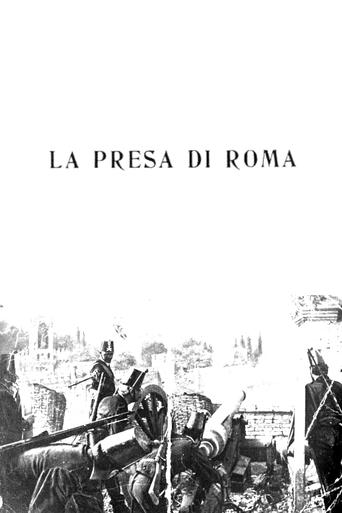
Italian inventor, engineer, and filmmaker who in the birth of Italian cinema. Born in 1865, he began his career as an inventor and mechanic, creating early motion picture projection equipment before turning to film production. In 1905, he co-founded the Alberini & Santoni company, one of Italy's first film production studios, which would later become the famous Cines studio. His most significant contribution to cinema was directing 'La presa di Roma' (The Capture of Rome) in 1905, considered one of the first Italian narrative films and a landmark in early cinema history. Alberini continued to innovate throughout his career, developing new filming techniques and equipment while producing numerous short films. His work helped establish the foundation for Italy's burgeoning film industry in the early 20th century. Despite his crucial contributions, Alberini's legacy was somewhat overshadowed by later Italian cinema giants, though film historians now recognize him as a true pioneer of the medium. He remained active in the film industry until his death in 1937, leaving behind a legacy of innovation and artistic achievement.
The Craft
Behind the Camera
Alberini's directing style was characterized by innovative camera techniques for his time, including dynamic movement and composition. He pioneered the use of location shooting in Italy, particularly for historical subjects, and was known for his meticulous attention to historical accuracy in period pieces. His approach combined technical experimentation with dramatic storytelling, often employing long takes and wide shots to capture grand historical events. Alberini's work demonstrated an early understanding of cinematic language, using visual storytelling techniques that were ahead of their contemporaries.
Milestones
- Invented the 'Kinetograph' projection system (1894)
- Co-founded Alberini & Santoni film company (1905)
- Directed 'La presa di Roma' (1905)
- Established Cines studio (1906)
- Developed early color film processes
- Created over 100 short films
- Pioneered Italian historical epics
Best Known For
Must-See Films
Accolades
Won
- Pioneer of Italian Cinema Award (posthumous, 1950)
- Italian Film Heritage Recognition (1975)
Nominated
- International Film History Hall of Fame nomination (2005)
Special Recognition
- Italian Cinema Pioneer designation
- Rome Film Festival retrospective (2005)
- Cinema Museum permanent exhibition
- Postal stamp commemoration (1995)
Working Relationships
Worked Often With
Studios
Why They Matter
Impact on Culture
Filoteo Alberini's impact on Italian cinema cannot be overstated, as he essentially laid the groundwork for an entire national film industry. His 1905 film 'La presa di Roma' is widely considered the first Italian narrative film, marking the birth of Italian cinematic storytelling and establishing historical subjects as a dominant theme in Italian cinema. Alberini's technical innovations in projection equipment and filming techniques helped Italy compete with other emerging film industries in France and the United States. His work inspired a generation of Italian filmmakers and contributed to Rome becoming a major center of film production in Europe. The studio system he helped create would eventually produce some of cinema's greatest masterpieces during the golden age of Italian film.
Lasting Legacy
Filoteo Alberini's legacy endures as the father of Italian cinema, though his name is less known than later Italian directors like Fellini or De Sica. His spirit and technical innovations set the foundation for Italy's rich cinematic tradition. The Cines studio, which evolved from his original company, would become one of Italy's most important production centers for decades. Film historians now recognize Alberini as a crucial figure in the global development of cinema, particularly in the transition from simple actualities to narrative storytelling. His influence can be seen in the Italian historical epics that would later gain international acclaim. Alberini's story represents the entrepreneurial and artistic spirit of early cinema pioneers worldwide.
Who They Inspired
Alberini directly influenced the next generation of Italian filmmakers through his technical innovations and storytelling techniques. His approach to historical filmmming paved the way for the grand Italian epics of the 1910s and 1920s. Directors like Giovanni Pastrone and Enrico Guazzoni built upon Alberini's foundation, creating even more elaborate historical spectacles. His studio model inspired the creation of other Italian production companies, helping establish Rome as the 'Hollywood of Europe' in the silent era. Alberini's combination of technical ingenuity and artistic vision became a template for Italian filmmakers who followed, influencing everything from neorealism to contemporary Italian cinema.
Off Screen
Filoteo Alberini married twice during his lifetime. His first marriage was to Maria Santoni, his business partner in the Alberini & Santoni company, though their professional relationship eventually overshadowed their personal one. After their separation, he later married Elena Rossi in 1915, with whom he had two children. Alberini was known as a workaholic, often spending long hours in his workshop and studio, which sometimes strained his family relationships. Despite his professional success, he maintained a relatively private personal life, rarely giving interviews or discussing his family in public.
Education
Self-taught engineer and inventor; attended technical school in Rome; studied mechanics and optics independently
Family
- Maria Santoni (1905-1910)
- Elena Rossi (1915-1937)
Did You Know?
- Alberini originally worked as a bicycle mechanic before becoming interested in motion pictures
- His first invention was a motion picture projector called the 'Kinetografo' in 1894
- La presa di Roma was only 10 minutes long but took three weeks to film
- He patented over 20 inventions related to film technology
- Alberini's studio was destroyed by fire in 1910, but he rebuilt it bigger and better
- He was one of the first filmmakers to use location shooting for historical films
- Alberini experimented with early color processes as early as 1908
- His films were distributed internationally, including in the United States and Russia
- He mentored several future Italian film directors
- Alberini was also a talented photographer and painter
- He created one of the first film schools in Italy in 1912
- His company produced over 200 films in its first decade of operation
In Their Own Words
The cinema is not merely entertainment, it is the art of capturing life itself
Every frame must tell a story, every movement must have meaning
We are not just making pictures, we are writing history with light
The future belongs to those who can capture motion and emotion
In Italy, we don't just make films - we create dreams from our history
Frequently Asked Questions
Who was Filoteo Alberini?
Italian inventor, engineer, and filmmaker considered one of the pioneers of Italian cinema. He co-founded one of Italy's first film production companies and directed 'La presa di Roma' (1905), widely regarded as the first Italian narrative film.
What films is Filoteo Alberini best known for?
Titles linked here include La presa di Roma (1905), Il piccolo cerinaio (1905).
When was Filoteo Alberini born and when did he die?
Born March 14, 1865; died April 12, 1937.
What awards did Filoteo Alberini win?
During his lifetime, Alberini received limited formal recognition, but posthumously he was honored with the Pioneer of Italian Cinema Award (1950) and the Italian Film Heritage Recognition (1975). His contributions are now widely celebrated in film history circles.
What was Filoteo Alberini's directing style?
Alberini's directing style was innovative for his time, featuring dynamic camera movement, location shooting, and meticulous historical detail. He pioneered visual storytelling techniques and was known for combining technical experimentation with dramatic narrative, particularly in historical subjects.
How did Filoteo Alberini contribute to early cinema technology?
Alberini — inventor who created early projection equipment, including his 'Kinetografo' system. He patented over 20 film-related inventions, experimented with early color processes, and developed new filming techniques that influenced the entire industry.
What was the significance of 'La presa di Roma'?
'La presa di Roma' (1905) is considered the first Italian narrative film and a landmark in cinema history. It established historical subjects as a dominant theme in Italian cinema and demonstrated the potential of film as a storytelling medium, paving the way for Italy's rich cinematic tradition.