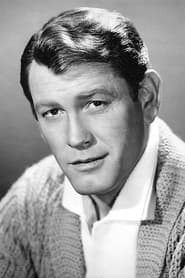
Earl Holliman
Actor
Born: September 11, 1928 in Delhi, Louisiana, USA Active: 1953-2000 Birth Name: Henry Earl Holliman
Films
1 film
About Earl Holliman
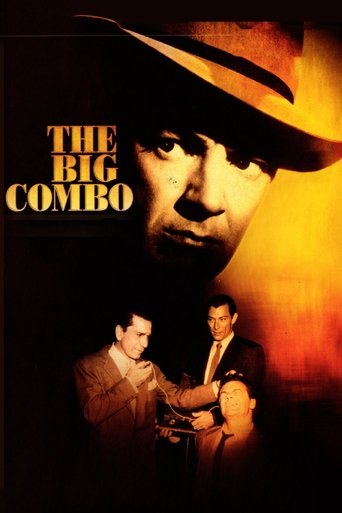
American actor: over four decades in Hollywood, beginning in the early 1950s. Born in Delhi, Louisiana, he moved to California after serving in the Navy and studied acting at UCLA and the Pasadena Playhouse. His breakthrough role came in the film noir classic 'The Big Combo' (1955), which established him as a reliable character actor capable of playing both sympathetic and menacing roles. Holliman's versatility allowed him to transition smoothly between film and television, becoming a familiar face in both mediums throughout the 1950s and 1960s. He earned critical acclaim and a Golden Globe Award for his supporting role in 'The Rainmaker' (1956), starring alongside Katharine Hepburn and Burt Lancaster. His television career flourished with memorable roles in series like 'Police Woman' (1974-1978), where he played Sergeant Crowley opposite Angie Dickinson. Holliman continued acting into the 1990s, appearing in numerous TV movies and guest spots, cementing his legacy as a dependable character actor who brought depth and authenticity to every role he portrayed.
The Craft
On Screen
Holliman was known for his naturalistic acting style and ability to portray both vulnerability and strength. His performances were characterized by a grounded, everyman quality that made him relatable to audiences. He excelled at playing characters with emotional depth, often bringing a subtle intensity to his roles that elevated the material. His southern charm and authentic demeanor made him particularly effective in westerns and dramas.
Milestones
- Breakthrough role in 'The Big Combo' (1955)
- Golden Globe Award for 'The Rainmaker' (1956)
- Starring role in 'Police Woman' TV series (1974-1978)
- Over 100 film and television appearances
- Successful transition from film noir leading man to television character actor
Best Known For
Iconic Roles
Must-See Films
Accolades
Won
- Golden Globe Award for Best Supporting Actor - 'The Rainmaker' (1957)
Nominated
- Primetime Emmy Award for Outstanding Supporting Actor in a Drama Series - 'Police Woman' (1976)
Special Recognition
- Hollywood Walk of Fame Star (1989)
- Golden Boot Award (1994)
Working Relationships
Worked Often With
Studios
Why They Matter
Impact on Culture
Earl Holliman's contributions to film noir and television drama helped shape the landscape of American entertainment in the mid-20th century. His work in classic film noir like 'The Big Combo' contributed to the genre's golden age, while his television roles helped establish the police procedural format. His portrayal of supporting characters often provided the emotional anchor in ensemble casts, demonstrating the importance of character actors in creating compelling narratives. Holliman's career trajectory from film leading man to television regular mirrored the broader shift in the entertainment industry during the 1950s-1970s.
Lasting Legacy
Holliman's legacy endures through his extensive body of work that spans multiple decades and genres. He is remembered as one of Hollywood's most reliable character actors, capable of elevating any production with his presence. His performances continue to be studied by film scholars, particularly his work in film noir, where he helped define the genre's aesthetic and emotional tone. The longevity of his career and his ability to adapt to changing entertainment landscapes serve as a model for actors seeking sustainable success in Hollywood.
Who They Inspired
Holliman influenced generations of character actors through his demonstration of how to build a lasting career through versatility and reliability. His naturalistic acting style prefigured the more realistic approaches that would become dominant in American acting. His success in television helped pave the way for film actors to transition to the small medium, which became increasingly important as television grew in cultural significance. Many actors who worked with him cited his professionalism and dedication as inspiration for their own careers.
Off Screen
Holliman was known for being private about his personal life while maintaining a long and successful career in Hollywood. He never married and had no children, dedicating his life to his craft and various philanthropic endeavors. In his later years, he became involved in animal welfare causes and supported various charities. He was known among colleagues as a reliable and professional actor who maintained good relationships throughout his long career in the entertainment industry.
Education
University of California, Los Angeles (UCLA), Pasadena Playhouse
Did You Know?
- Served in the United States Navy before becoming an actor
- Was discovered while performing in a play at the Pasadena Playhouse
- His role in 'The Big Combo' was originally written for an older actor
- Was a close friend of Rock Hudson
- Turned down the role that went to Robert Redford in 'Butch Cassidy and the Sundance Kid'
- Was a licensed pilot and owned several aircraft
- Appeared in over 100 television episodes throughout his career
- Was considered for the role of J.R. Ewing in 'Dallas' before Larry Hagman was cast
- Was a founding member of the National Cowboy & Western Heritage Museum
- Received his star on the Hollywood Walk of Fame in 1989
In Their Own Words
I've always tried to be a working actor, not a star. Stars come and go, but working actors are always needed.
The best part about being a character actor is that you can disappear into different roles without the audience expecting you to be the same person each time.
Film noir taught me everything about subtlety and the power of what you don't show on camera.
Frequently Asked Questions
Who was Earl Holliman?
American with credits in this catalog. He gained fame for his roles in film noir classics like 'The Big Combo' and later starred in the television series 'Police Woman' alongside Angie Dickinson.
What films is Earl Holliman best known for?
Titles linked here include The Big Combo (1955), The Rainmaker (1956).
When was Earl Holliman born and when did he die?
Born September 11, 1928; died death date not listed.
What awards did Earl Holliman win?
Holliman won a Golden Globe Award for Best Supporting Actor for his performance in 'The Rainmaker' (1956). He also received an Emmy nomination for his work on 'Police Woman' and was honored with a star on the Hollywood Walk of Fame in 1989.
What was Earl Holliman's acting style?
Holliman was known for his naturalistic, grounded acting style that brought authenticity to every role. He excelled at portraying complex characters with emotional depth, often serving as the emotional anchor in ensemble productions. His everyman quality and subtle intensity made him particularly effective in both dramatic and action-oriented roles.