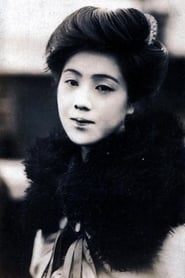
Kumeko Urabe
Actor
Born: October 5, 1902 in Tokyo, Japan Died: October 26, 1989 Active: 1924-1979
Films
1 film
About Kumeko Urabe
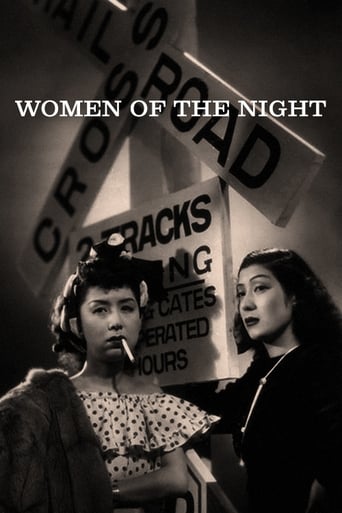
Prolific Japanese character actress: remarkable over five decades from the silent era through the 1970s. Born in Tokyo in 1902, she began her film career in the 1920s and quickly established herself as a versatile performer capable of embodying a wide range of working-class characters. She became particularly renowned for her collaborations with Japan's greatest directors, including Akira Kurosawa, Yasujirō Ozu, and Mikio Naruse, often playing mothers, elderly women, or figures of quiet dignity. Her performance in Kurosawa's 'Women of the Night' (1948) as the mother figure showcased her ability to convey deep emotion with subtle gestures and naturalistic delivery. Throughout her career, she appeared in more than 200 films, becoming recognizable and respected character actresses in Japanese cinema history. Her distinctive features and authentic portrayal of everyday Japanese women made her a beloved figure among audiences and critics alike. She continued working well into her seventies, leaving an indelible mark on the golden age of Japanese cinema before her death in 1989.
The Craft
On Screen
Naturalistic and understated, specializing in portraying working-class women with authentic emotional depth. Her technique emphasized subtle facial expressions and minimal gestures to convey complex emotions, embodying the concept of 'shibui' (restrained elegance) in Japanese performance. She had a remarkable ability to transform into ordinary women facing life's hardships with quiet dignity and resilience.
Milestones
- Film debut in the silent era (1924)
- Collaboration with Akira Kurosawa on 'Women of the Night' (1948)
- Memorable role in Yasujirō Ozu's 'Tokyo Story' (1953)
- Work with Mikio Naruse on multiple films
- Received Order of the Sacred Treasure (1979)
- Career spanning over 55 years with 200+ film appearances
Best Known For
Iconic Roles
Must-See Films
Accolades
Won
- Order of the Sacred Treasure (1979)
- Kinema Junpo Award for Best Supporting Actress (1954)
Nominated
- Mainichi Film Award for Best Actress (multiple nominations throughout the 1950s)
Special Recognition
- Order of the Sacred Treasure, 4th Class (1979)
- Recognized as one of Japan's most character actresses
- Retrospective film festivals honoring her contributions to Japanese cinema
Working Relationships
Worked Often With
Studios
Why They Matter
Impact on Culture
Kumeko Urabe played a significant role in shaping the representation of working-class women in Japanese cinema during its golden age. Her authentic portrayals helped international audiences understand the struggles and resilience of ordinary Japanese people during and after World War II. Through her collaborations with master directors, she contributed to some of the most critically acclaimed Japanese films that gained international recognition, helping establish Japanese cinema's reputation for artistic excellence and emotional depth.
Lasting Legacy
Urabe's legacy endures as one of Japan's most character actresses, remembered for her ability to bring profound humanity to every role she portrayed. Her filmography serves as a valuable record of Japanese society's transformation from the pre-war era through the post-war economic miracle. She remains a study subject for film scholars examining the evolution of Japanese acting techniques and the representation of women in Asian cinema.
Who They Inspired
Her naturalistic acting style influenced subsequent generations of Japanese actors, particularly in the approach to character acting. Many contemporary Japanese actresses cite her work as inspiration for portraying complex female characters with subtlety and emotional authenticity. Her collaborations with legendary directors helped establish standards for ensemble acting in Japanese cinema that continue to influence filmmakers today.
Off Screen
Kumeko Urabe was known for her dedication to her craft and maintained a relatively private personal life throughout her long career. She married fellow actor Masao Araki, though details about their relationship remain limited. Unlike many celebrities of her era, she avoided scandal and focused primarily on her work, earning respect for her professionalism and commitment to Japanese cinema. She never had children and devoted her life entirely to her acting career.
Education
Limited formal education; trained in traditional Japanese theater techniques before entering the film industry
Family
- Masao Araki (dates unknown)
Did You Know?
- Appeared in over 200 films throughout her 55-year career
- Was one of the few actresses who successfully transitioned from silent films to talkies
- Often typecast as mothers or elderly women due to her distinctive features
- Worked with all three of Japan's most celebrated directors: Kurosawa, Ozu, and Naruse
- Received the Order of the Sacred Treasure, a prestigious national honor, in 1979
- Never gave up acting even in her 70s, appearing in films until 1979
- Her face became synonymous with the image of the traditional Japanese mother
- Despite her prolific career, she rarely played leading roles, preferring character parts
- Was particularly beloved by director Yasujirō Ozu, who cast her in multiple films
- Her performance in 'Women of the Night' was considered groundbreaking for its realistic portrayal of post-war suffering
In Their Own Words
Acting is not about becoming someone else, but about finding the truth within yourself that connects to the character
In every ordinary woman, there is an extraordinary story waiting to be told
The camera doesn't lie, so I never tried to be anything but what the role demanded
Frequently Asked Questions
Who was Kumeko Urabe?
Prolific Japanese character actress who worked in cinema from the 1920s through the 1970s, appearing in over 200 films and collaborating with Japan's most celebrated on YTB.my.
What films is Kumeko Urabe best known for?
Titles linked here include Women of the Night (1948), Tokyo Story (1953).
When was Kumeko Urabe born and when did she die?
Born October 5, 1902; died October 26, 1989.
What awards did Kumeko Urabe win?
She received the Kinema Junpo Award for Best Supporting Actress in 1954 and was honored with Japan's Order of the Sacred Treasure in 1979 for her contributions to the arts.
What was Kumeko Urabe's acting style?
Her acting style was naturalistic and understated, emphasizing subtle expressions and minimal gestures to convey deep emotion, particularly in portraying working-class women with authentic dignity and resilience.
How many films did Kumeko Urabe appear in?
Throughout her 55-year career, Kumeko Urabe appeared in more than 200 films, making her.
Did Kumeko Urabe work with major Japanese directors?
Yes, she collaborated extensively with Japan's most acclaimed directors including Akira Kurosawa, Yasujirō Ozu, Mikio Naruse, and Kenji Mizoguchi, becoming one of their trusted character actresses.