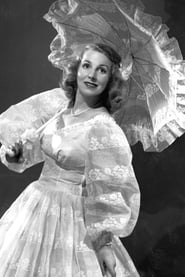
Jessica Dragonette
Actor
Born: February 14, 1901 in Calcutta, India Died: March 18, 1980 Active: 1920s-1940s Birth Name: Jessica Valentina Dragonette
Films
1 film
About Jessica Dragonette
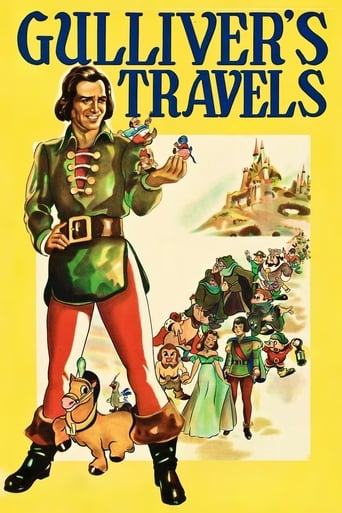
Celebrated American coloratura soprano who became popular radio stars of the 1930s and 1940s, earning the nickname 'Princess of the Air.' Born in Calcutta, India to British parents, she moved to the United States as a child and began her career as a concert singer before transitioning to radio broadcasting. She hosted long-running radio programs on both CBS and NBC networks, where she performed opera arias, popular songs, and Broadway tunes for millions of listeners. Her voice work in the 1939 animated feature 'Gulliver's Travels' marked one of her rare film appearances, as she primarily focused on her radio career and live performances throughout the golden age of radio. Dragonette performed with major orchestras including the New York Philharmonic and gave concerts worldwide, becoming one of the highest-paid women in radio during her peak years. She authored her autobiography 'Faith Is a Song' in 1951 and was actively involved in charitable work, particularly with children's hospitals. Her career gradually wound down in the late 1940s as television began to replace radio as the dominant home entertainment medium.
The Craft
On Screen
Primarily a vocalist rather than a traditional actor, her performances were characterized by her powerful coloratura soprano voice and emotive singing style. In 'Gulliver's Travels,' she provided the singing voice for Princess Glory, bringing operatic technique to animated film performance.
Milestones
- Became one of radio's first major female stars in the 1930s
- Hosted popular radio programs on CBS and NBC networks
- Provided singing voice in Disney's 'Gulliver's Travels' (1939)
- Performed with major orchestras including the New York Philharmonic
- Became one of the highest-paid women in radio during her peak
- Toured internationally as a concert singer
- Authored autobiography 'Faith Is a Song' in 1951
Best Known For
Iconic Roles
Must-See Films
Accolades
Won
- Radio Hall of Fame (inducted posthumously)
Special Recognition
- Star on the Hollywood Walk of Fame (Radio category)
- Radio Hall of Fame inductee
Working Relationships
Worked Often With
Studios
Why They Matter
Impact on Culture
figure in early radio broadcasting, helping to establish the template for female radio personalities and demonstrating that women could achieve massive success and financial independence through broadcast media. Her popularity helped bridge the gap between classical and popular music, bringing opera and sophisticated vocal performance to mainstream American audiences through the accessible medium of radio. Her work in 'Gulliver's Travels' represented an early example of classically trained singers lending their talents to animated features, a practice that would become standard in later Disney and other animation productions.
Lasting Legacy
Dragonette's legacy lies primarily in her role as a radio pioneer and one of the medium's first major female stars. She helped pave the way for future women in broadcasting and demonstrated the commercial viability of classical and semi-classical music in popular entertainment. Her autobiography and extensive radio archives provide valuable documentation of early radio history and the role of women in media during the golden age of radio. Though her film work was limited, her contribution to 'Gulliver's Travels' remains an important part of animation history as an early example of professional opera singers in animated features.
Who They Inspired
Dragonette influenced generations of broadcasters and singers by demonstrating that classical vocal training could be successfully adapted to popular media formats. Her success inspired other classically trained singers to pursue careers in radio and later television. Her charitable work and public persona also helped establish the template for celebrities using their fame for philanthropic purposes, particularly in children's healthcare.
Off Screen
Dragonette never married and dedicated her life to her career and charitable work. She was known for her deep religious faith and often credited her success to divine guidance. She maintained close relationships with her family, particularly her mother who lived with her for many years. In her later years, she became increasingly private and focused on her writing and philanthropic activities.
Education
Studied voice at the Institute of Musical Art (now Juilliard School) in New York City, trained under notable vocal coaches of the era
Did You Know?
- Was nicknamed 'Princess of the Air' due to her regal bearing and radio popularity
- Born in India to British parents but became an American citizen
- Could sing in multiple languages including English, Italian, French, and German
- Was one of the first performers to have a million-dollar radio contract
- Her radio programs sometimes featured her performing with live orchestras in the studio
- She performed for President Franklin D. Roosevelt at the White House
- During World War II, she performed extensively for troops and war bond drives
- Her voice range spanned three octaves, allowing her to perform both coloratura soprano roles and popular songs
- She was a devout Catholic and often spoke about her faith on her radio programs
- Despite her fame, she remained humble and often credited her success to 'divine providence'
In Their Own Words
Faith is a song that never ends, and I try to sing it every day of my life.
Radio is the most intimate of all mediums - you speak directly to the heart of your listener.
Classical music need not be exclusive; it belongs to everyone who has ears to hear and a heart to feel.
The voice is God's greatest gift to mankind, and we must use it to bring beauty and joy to others.
Frequently Asked Questions
Who was Jessica Dragonette?
Celebrated American coloratura soprano and radio personality who became.' She was primarily a singer who provided voice work for the 1939 animated film 'Gulliver's Travels.'
What films is Jessica Dragonette best known for?
Titles linked here include Gulliver's Travels (1939).
When was Jessica Dragonette born and when did she die?
Born February 14, 1901; died March 18, 1980.
What awards did Jessica Dragonette win?
Jessica Dragonette received a star on the Hollywood Walk of Fame in the Radio category and was posthumously inducted into the Radio Hall of Fame for her contributions to early radio broadcasting.
What was Jessica Dragonette's singing style?
Dragonette was known for her powerful coloratura soprano voice with a three-octave range, allowing her to perform both complex opera arias and popular songs. Her style combined classical technique with popular appeal, making sophisticated music accessible to mass audiences through radio.
Why was Jessica Dragonette called the 'Princess of the Air'?
She earned the nickname 'Princess of the Air' due to her regal presence, elegant demeanor, and her position as one of radio's first major female stars during the golden age of radio broadcasting.
Did Jessica Dragonette have a career beyond radio?
Yes, besides her radio career, Dragonette performed as a concert singer with major orchestras, gave international performances, provided voice work for 'Gulliver's Travels,' authored an autobiography, and was actively involved in charitable work, particularly with children's hospitals.