
Films
4 films
About Carlo Benetti
Italian actor who worked briefly during the silent film era, with his known filmography limited to the year 1915. Carlo appears in two notable Italian productions of that year, suggesting he was part of the thriving Italian film industry during its golden age. His roles in 'Assunta Spina' and 'The Lady of the Camellias' placed him alongside some of the most prominent performers of early Italian cinema. Unfortunately, like many supporting actors from this period, detailed records of his life and career are scarce. His brief appearance in film history coincides with what many consider the peak of Italian silent cinema, when the country was producing lavish historical epics and dramatic features that competed internationally. The lack of extensive documentation about Benetti is typical of many actors from this era who were not leading stars, as film preservation and historical documentation practices were still developing.
The Craft
On Screen
While specific details about Carlo Benetti's acting style are not documented, as an Italian silent film actor of 1915, he likely employed the exaggerated gestures and expressive techniques characteristic of the era, where actors had to convey emotions without dialogue through body language and facial expressions.
Milestones
- Appeared in 'Assunta Spina' (1915),
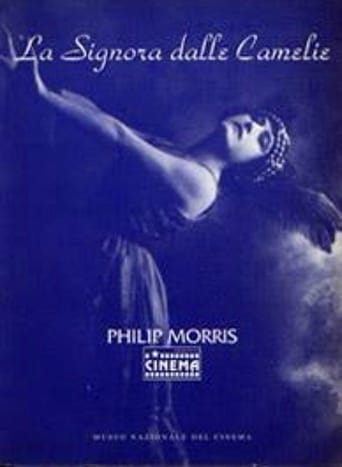
- Acted in 'The Lady of the Camellias' (1915), an adaptation of the classic literary work
- Participated during the peak of Italian silent cinema production
Best Known For
Must-See Films
Working Relationships
Worked Often With
Studios
Why They Matter
Impact on Culture
Carlo Benetti's contribution to cinema, while minor in scope, represents the collective effort of countless supporting actors who helped build the foundation of early film. His participation in 'Assunta Spina' places him within. The film itself was groundbreaking for its realistic portrayal of Neapolitan life and its departure from the theatrical acting style prevalent at the time. Benetti, like many actors of his generation, was part of the transition from stage to screen performance techniques that would influence cinema for decades to come.
Lasting Legacy
Carlo Benetti's legacy is preserved through his participation in historically significant films that continue to be studied by film historians and enthusiasts. While he may not be remembered by name, his work contributes to the artistic value of films that represent the pinnacle of Italian silent cinema. His appearances in these surviving works ensure that his contribution to early film history, however small, is not entirely lost to time.
Who They Inspired
As a supporting actor during the formative years of cinema, Carlo Benetti would have been part of the experimental process of developing screen acting techniques. The collaborative nature of early film production meant that even minor actors contributed to the evolution of cinematic language and storytelling methods that would influence future generations of performers.
Off Screen
Very little is documented about Carlo Benetti's personal life, which is typical for supporting actors from the early silent film era. Historical records from this period often focused on leading stars and directors, leaving many character actors' biographical details lost to time.
Did You Know?
- Appeared in two films in 1915, both of which are considered significant works of Italian silent cinema
- His entire known filmography spans only one year
- Worked during what is considered the golden age of Italian silent film production
- Participated in 'Assunta Spina', which was groundbreaking for its realistic approach to storytelling
- The Lady of the Camellias (1915) was one of many adaptations of the famous novel during the silent era
- Like many actors of his era, his biographical details remain largely undocumented
- His career coincided with World War I, which disrupted film production across Europe
- Italian cinema of 1915 was among the most sophisticated and commercially successful in the world
Frequently Asked Questions
Who was Carlo Benetti?
Italian with credits in this catalog. He was part of the thriving Italian film industry during its golden age, though like many supporting actors from this time, detailed records of his life and career are limited.
What films is Carlo Benetti best known for?
Titles linked here include Assunta Spina (1915), The Lady of the Camellias (1915).
When was Carlo Benetti born and when did he die?
Specific birth and death dates for Carlo Benetti are not documented in available historical records, which is common for supporting actors from the early silent film era. We know he was active as an actor in 1915 and was of Italian nationality.
What awards did Carlo Benetti win?
There are no documented awards or nominations for Carlo Benetti, which is typical for supporting actors from the early silent film period when formal award systems for cinema were not yet established.
What was Carlo Benetti's acting style?
While specific details about Carlo Benetti's individual acting style are not recorded, as an Italian silent film actor of 1915, he likely employed the expressive physical techniques characteristic of the era. Silent film actors of this period relied heavily on gestures, facial expressions, and body language to convey emotions and tell stories without dialogue.