
Films
2 films
About Antonio Cruichi
Italian actor active during the silent film era of the early 20th century. His known filmography consists of two productions from 1915, both significant works in early Italian cinema. Antonio appears in 'Assunta Spina' (1915), a landmark Italian silent drama directed by Gustavo Serena and starring the Francesca Bertini, which was considered for its realistic portrayal of Neapolitan life. His other known credit is 'The Lady of the Camellias' (1915), an adaptation of Alexandre Dumas' famous novel, which was produced during the golden age of Italian silent cinema. Unfortunately, detailed records about Cruichi's life, career trajectory, and specific roles in these productions have not survived in historical documentation, which was common for many supporting actors of this period whose contributions were often overshadowed by the star system. His brief appearance in the film historical record coincides with what many consider the peak of Italian silent film production before the industry was disrupted by World War I.
The Craft
Milestones
- Appeared in 'Assunta Spina' (1915), a landmark of Italian silent cinema
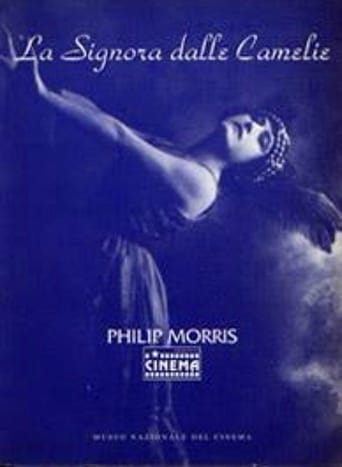
- Performed in 'The Lady of the Camellias' (1915), adaptation of the classic novel
Best Known For
Must-See Films
Why They Matter
Impact on Culture
While specific details about Antonio Cruichi's individual impact are lost to history, his participation in 'Assunta Spina' places him within the context of a revolutionary moment in Italian cinema. This film, directed by Gustavo Serena and starring Francesca Bertini, was groundbreaking for its realistic approach to melodrama and its authentic Neapolitan setting. The film represented a shift toward more naturalistic acting and storytelling in Italian cinema, moving away from the theatrical style that had dominated early silent films. Although Cruichi's specific contributions are unknown, as a participant in this production, he was part of an important artistic movement that influenced the development of cinematic realism in Europe.
Lasting Legacy
Antonio Cruichi's legacy is primarily preserved through his credited appearances in two significant works from the peak of Italian silent cinema. While his individual performances have not been documented in detail, his name survives in film historical records as a contributor to these important productions. His brief film career coincides with what many film historians consider the golden age of Italian silent film (1914-1915), a period that saw the production of some of the most ambitious and artistically significant films of the early cinema era. The survival of his name in film credits, despite the loss of most personal details about his life and career, speaks to the importance of preserving even the smallest contributions to film history.
Who They Inspired
Due to the limited documentation about Antonio Cruichi's career and performances, it is not possible to determine his specific influence on other actors or filmmakers. However, his participation in 'Assunta Spina' places him within the context of the Italian diva film genre and the movement toward cinematic realism that would influence filmmakers across Europe. The naturalistic acting style pioneered in films like 'Assunta Spina' would eventually influence international cinema, though Cruichi's individual role in this development remains undocumented.
Off Screen
Very little personal information about Antonio Cruichi has survived in historical records, which was unfortunately common for many supporting actors in early Italian cinema. The lack of documentation about his personal life reflects the broader challenge of film historians in preserving the complete stories of all contributors to early cinema, particularly those who worked in supporting or minor roles.
Did You Know?
- Antonio Cruichi's entire known filmography consists of only two films from 1915
- Both films he appeared in were adaptations of literary works
- 'Assunta Spina' was considered groundbreaking for its realistic portrayal of Neapolitan life
- 1915 was considered the peak year for Italian silent film production before World War I disrupted the industry
- The lack of documentation about Cruichi reflects the broader challenge of preserving complete records of early cinema contributors
- His career coincided with the height of the Italian diva film genre
- No surviving reviews or contemporary accounts specifically mention his performances
- His name appears only in cast lists without character descriptions
Frequently Asked Questions
Who was Antonio Cruichi?
Screen credits include two silent films in 1915: 'Assunta Spina' and 'The Lady of the Camellias'. Very little is known about his life or career beyond these film credits, which was common for many supporting actors in early Italian cinema.
What films is Antonio Cruichi best known for?
Titles linked here include Assunta Spina (1915), The Lady of the Camellias (1915).
When was Antonio Cruichi born and when did he die?
Unfortunately, specific birth and death dates for Antonio Cruichi are not available in historical records, which reflects the incomplete documentation of many early film actors, particularly those in supporting roles.
What awards did Antonio Cruichi win?
There are no records of Antonio Cruichi receiving any awards or nominations for his film work, which was not uncommon for actors in supporting roles during the silent film era.
What was Antonio Cruichi's acting style?
Specific details about Antonio Cruichi's acting style are not documented in historical records. However, his participation in 'Assunta Spina' suggests he may have been part of the movement toward more naturalistic acting that characterized this groundbreaking film.