
Films
2 films
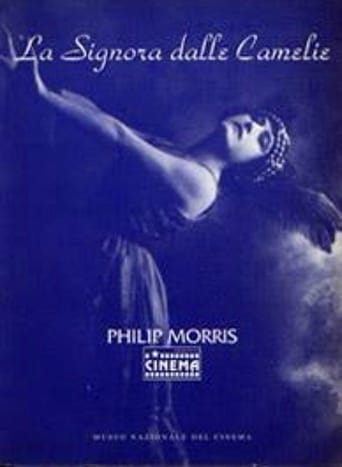
About Tina Ceccaci Renaldi
Italian actress who emerged during the silent film era, gaining recognition for her work in European cinema during the 1910s and 1920s. Her career began with a notable role in the 1915 adaptation of Alexandre Dumas' 'The Lady of the Camellias,' where she demonstrated the dramatic intensity required for the tragic heroine Marguerite Gautier. She continued to build her reputation with appearances in Italian historical epics and dramas, culminating in her role as Tessa in the 1924 film 'Romola,' which was based on George Eliot's novel and starred Lillian Gish and Dorothy Gish. This international production, directed by Henry King, was one of her most significant works, showcasing her ability to perform alongside Hollywood icons in a complex historical setting. Despite her promising start, Renaldi's film career appears to have been relatively brief, spanning approximately a decade, which was not uncommon for actresses of that period who often faced limited opportunities as the industry transitioned to sound. Her performances are remembered for their emotional depth and the authentic portrayal of female characters in the melodramatic style characteristic of silent cinema. After her final known film in 1924, she seemingly retired from acting, leaving behind a small but impactful filmography that contributes to our understanding of early 20th-century European cinema.
The Craft
On Screen
Renaldi embodied the dramatic, expressive style of silent film acting, using exaggerated gestures and facial expressions to convey complex emotions to the audience without dialogue. Her performances were characterized by a natural intensity that suited the tragic and melodramatic roles she often portrayed, particularly in adaptations of classic literature. She demonstrated a remarkable ability to convey vulnerability and strength simultaneously, a quality that made her memorable in period pieces and historical dramas.
Milestones
- Breakthrough role as Marguerite Gautier in 'The Lady of the Camellias' (1915)
- International recognition for her role as Tessa in 'Romola' (1924)
- Working with Hollywood stars Lillian Gish and Dorothy Gish in a major production
- Participating in one of the early international co-productions between American and European studios
Best Known For
Iconic Roles
Must-See Films
Working Relationships
Worked Often With
Studios
Why They Matter
Impact on Culture
Tina Ceccaci Renaldi represents the generation of European actresses who helped bridge the gap between continental cinema and emerging Hollywood productions during the silent era. Her role in 'Romola' is particularly significant as it exemplifies the early trend of international co-productions that sought to combine European literary sources with American star power and production values. Though not a major star, her work contributes to the broader understanding of how Italian cinema participated in the global film market of the 1910s and 1920s.
Lasting Legacy
Renaldi's legacy lies in her contributions to early Italian cinema and her participation in one of the notable international film productions of the 1920s. Her performances, preserved in the few surviving films of her career, serve as examples of the acting styles and storytelling techniques of the silent era. For film historians, she represents the many talented actors whose careers were shaped by the dramatic technological and industrial changes of the early 20th century.
Who They Inspired
As a supporting actress in major productions, Tina Ceccaci Renaldi's direct influence on subsequent generations of actors is difficult to trace. However, her work in adapting classic literature to the screen contributed to the tradition of literary adaptations that would become a staple of cinema. Her performances in melodramatic roles helped establish the archetypes of tragic heroines that would be reinterpreted by later actresses in sound films and beyond.
Off Screen
Very little is documented about Tina Ceccaci Renaldi's personal life, which was not uncommon for supporting actors of the silent era, especially those who worked primarily in European cinema. Her brief film career and the subsequent transition to sound films may have contributed to her retreat from public life. The lack of extensive biographical information suggests she may have returned to private life after her acting career ended.
Did You Know?
- Her birth name appears to be the same as her stage name, Tina Ceccaci Renaldi.
- She worked in both purely Italian productions and international co-productions.
- Her role in 'Romola' placed her in a film starring the famous Gish sisters, Lillian and Dorothy.
- 'The Lady of the Camellias' was a popular source for silent film adaptations, with Renaldi joining actresses like Sarah Bernhardt and Theda Bara in portraying Marguerite Gautier.
- Her active years covered the final decade of the silent film era, ending just as sound films were beginning to dominate the industry.
- The 1924 film 'Romola' was.
- Very few details of her life outside of her film work are documented in historical records.
- Her filmography, while brief, includes adaptations of works by two major 19th-century authors: Alexandre Dumas and George Eliot.
Frequently Asked Questions
Who was Tina Ceccaci Renaldi?
Italian actress who worked during the silent film era from 1915 to 1924. She is best known for her roles in 'The Lady of the Camellias' (1915) and the international production 'Romola' (1924) alongside the Gish sisters.
What films is Tina Ceccaci Renaldi best known for?
Titles linked here include The Lady of the Camellias (1915), Romola (1924).
When was Tina Ceccaci Renaldi born and when did she die?
Born 1895; died death date not listed.
What awards did Tina Ceccaci Renaldi win?
There are no documented awards or nominations for Tina Ceccaci Renaldi, which was typical for many supporting actors of her time, especially those working primarily in European cinema.
What was Tina Ceccaci Renaldi's acting style?
Renaldi employed the dramatic, expressive style characteristic of silent film acting, using heightened gestures and facial expressions to convey emotion. She specialized in melodramatic and tragic roles, particularly in literary adaptations.
Did Tina Ceccaci Renaldi work in Hollywood?
While she was primarily an Italian actress, she did work on the international production 'Romola' (1924), which was an American film shot in Italy. This allowed her to collaborate with Hollywood stars like Lillian Gish, though her career remained centered in Europe.