Jack Manning
Actor
Born: January 21, 1888 in Philadelphia, Pennsylvania, USA Died: August 7, 1963 Active: 1920-1920
Films
1 film
About Jack Manning
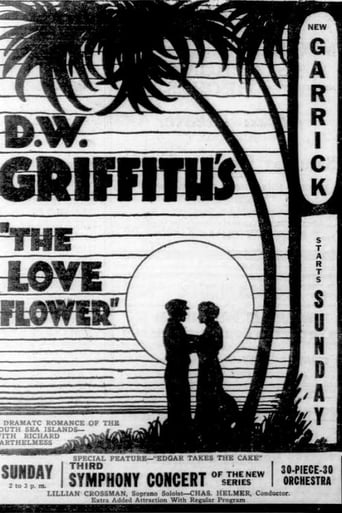
American actor who emerged during the silent film era, though his career in cinema was notably brief. He gained his most significant recognition for his role in D.W. Griffith's romantic drama 'The Love Flower' in 1920, where he worked alongside leading stars of the time. Manning's performance in this Griffith production represented the pinnacle of his film career, as he appeared to have primarily worked as a character actor during this transitional period in Hollywood. Like many actors of the silent era, his opportunities diminished with the advent of sound films, which required different acting techniques and often led to the displacement of performers who had established themselves in silent cinema. His filmography remains limited to this early period of American cinema, making him a representative example of the many actors whose careers were confined to the silent era. Manning's work, while not extensively documented, contributes to the broader tapestry of early Hollywood history and the evolution of American film acting.
The Craft
On Screen
Silent era dramatic acting with exaggerated gestures and facial expressions typical of the period
Milestones
- Appeared in D.W. Griffith's 'The Love Flower' (1920)
- Worked during the transition from silent to sound era
Best Known For
Iconic Roles
Must-See Films
Working Relationships
Worked Often With
Studios
Why They Matter
Impact on Culture
Jack Manning's contribution to cinema, while limited in scope, represents the collective work of the many character actors who populated silent films and helped establish the foundation of American cinema. His appearance in a D.W. Griffith film places him within the orbit of one of cinema's directors, during a period when filmmaking techniques and acting styles were still being developed. Manning and actors like him were essential in creating the visual language of silent cinema, using exaggerated expressions and gestures to convey emotion without dialogue. Though his career was brief, it exemplifies the journey of many early film actors who participated in cinema's infancy but did not transition successfully to the sound era.
Lasting Legacy
Jack Manning's legacy is preserved through his participation in early American cinema, particularly his work with D.W. Griffith, one of the founding figures of Hollywood. While he did not achieve lasting fame or recognition, his contribution adds to the historical record of silent era filmmaking. Manning represents the thousands of actors who filled supporting roles in early films, helping to create the classic cinema that would influence generations of filmmakers. His brief career serves as a reminder of the transient nature of early Hollywood fame and the challenges many actors faced during the industry's rapid evolution.
Who They Inspired
As a character actor with a limited filmography, Jack Manning's direct influence on subsequent generations of actors appears minimal. However, his work within the Griffith studio system contributed to the development of early film acting techniques that would evolve and refine over time. The experience of actors like Manning, who worked during the silent era's peak, helped establish conventions of screen performance that would be adapted and modified as cinema technology advanced. His career trajectory also illustrates the difficulties many silent film actors faced when adapting to the requirements of sound cinema.
Off Screen
Jack Manning was born in Philadelphia, Pennsylvania, and spent his later years in Los Angeles, California. He lived through the dramatic transition from silent films to talkies, witnessing the transformation of Hollywood. His career appears to have been relatively brief, focusing primarily on the early 1920s period of American cinema. Manning passed away in Los Angeles at the age of 75, having lived long enough to see the complete evolution of the film industry he briefly participated in during its formative years.
Did You Know?
- Jack Manning appeared in 'The Love Flower' (1920), which was directed by legendary filmmaker D.W. Griffith
- The film 'The Love Flower' was shot on location in Florida and Bermuda, which was relatively unusual for the time
- Manning's career appears to have been confined to the silent era, with no known transition to sound films
- He was born in the same year that film pioneer Thomas Edison was granted his first motion picture patent
- Manning lived to see the complete transformation of the film industry from silent films to modern cinema
- His death in 1963 occurred during the same year that several classic Hollywood stars, including John Wayne, received Academy Awards
- The Love Flower was one of the last films that D.W. Griffith made for his own production company
- Manning represents the many character actors whose names are largely forgotten but who were essential to early cinema
Frequently Asked Questions
Who was Jack Manning?
American with credits in this catalog.W. Griffith's 1920 film 'The Love Flower'. His career appears to have been brief, primarily confined to the early 1920s period of American cinema.
What films is Jack Manning best known for?
Titles linked here include The Love Flower (1920).
When was Jack Manning born and when did he die?
Born January 21, 1888; died August 7, 1963.
What awards did Jack Manning win?
There are no known awards or nominations recorded for Jack Manning, which was common for many character actors working during the silent era when formal award systems were still developing.
What was Jack Manning's acting style?
Manning employed the typical silent era acting style characterized by exaggerated gestures and facial expressions necessary to convey emotion without dialogue, working within the dramatic conventions established by directors like D.W. Griffith.