Margie Hines
Actor
Born: March 10, 1909 in Atlanta, Georgia, USA Died: May 28, 1985 Active: 1936-1943 Birth Name: Margaret Hines
Films
3 films
About Margie Hines
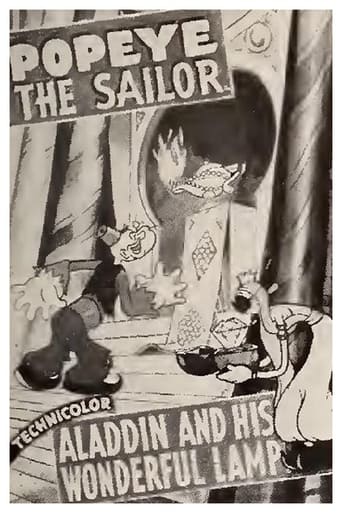
Voice actress during the Golden Age of Animation, best known as the original voice of Olive Oyl in the Popeye theatrical cartoon series produced by Fleischer Studios. Beginning her career in the mid-1930s, she became one of the first women to establish herself as a regular voice performer in animated shorts, a field that was still in its infancy. Hines brought Olive Oyl to life with her distinctive high-pitched, excitable voice that perfectly captured the character's anxious and dramatic personality. She voiced Olive Oyl from the character's first appearance in 1936 through the early 1940s, appearing in dozens of theatrical shorts including the landmark three-reel Technicolor special 'Aladdin and His Wonderful Lamp' (1939). Beyond Olive Oyl, she also provided voices for various other female characters in Fleischer Studios cartoons, contributing to the studio's distinctive sound during its most creative period. Her the crucial transition years of animation from experimental sound work to the establishment of voice acting as a recognized profession. Though her time in the spotlight was relatively brief compared to later voice actors, her work helped establish the template for character voice performance in animation.
The Craft
On Screen
Margie Hines specialized in creating high-pitched, energetic character voices with exaggerated emotional range. Her Olive Oyl voice was characterized by rapid speech patterns, dramatic inflections, and a distinctive nervous quality that became the template for the character. She employed broad vocal techniques typical of early animation voice work, emphasizing clarity and exaggerated emotion to complement the visual comedy. Her style was rooted in vaudeville and radio performance traditions, with precise enunciation and comic timing that matched the fast-paced nature of theatrical cartoons.
Milestones
- First voice of Olive Oyl in Popeye cartoons
- Voiced Olive Oyl in 'Aladdin and His Wonderful Lamp' (1939)
- female voice actress in Golden Age animation
- Worked extensively with Fleischer Studios
- Contributed to over 50 Popeye theatrical shorts
Best Known For
Iconic Roles
Must-See Films
Accolades
Special Recognition
- voice actress recognized by animation historians
Working Relationships
Worked Often With
Studios
Why They Matter
Impact on Culture
Margie Hines played a crucial role in establishing voice acting as a legitimate profession in animation during its formative years. As the first voice of Olive Oyl, she helped create one of animation's most enduring female characters, setting the vocal template that would influence subsequent performers. Her work contributed to Popeye's massive popularity during the late 1930s, when the character rivaled Mickey Mouse in cultural significance. Hines was part of the generation of voice actors who proved that animated characters needed distinctive, consistent voices to connect with audiences, helping establish the artistic standards for voice performance in animation.
Lasting Legacy
Margie Hines' legacy endures through her foundational work on Olive Oyl, a character who remains popular in animation nearly a century after her debut. Her vocal interpretation of Olive Oyl established character traits and speech patterns that became integral to the character's identity across all media. As one of the first women to achieve regular work as a voice actress in animation, she helped open doors for future generations of female voice performers. Animation historians recognize her as a pioneer who contributed to the development of voice acting as an art form, particularly in establishing how female characters should be voiced in cartoons.
Who They Inspired
Hines influenced the development of character voice acting techniques, particularly for female characters in animation. Her Olive Oyl voice set a standard for creating distinctive, memorable character voices that could convey personality through vocal performance alone. Later voice actresses who took over the role of Olive Oyl, including Mae Questel, built upon the foundation Hines established. Her work demonstrated the importance of voice acting in bringing animated characters to life, influencing how studios approached voice casting and character development in subsequent years.
Off Screen
Margie Hines was married to Jack Mercer, the famous voice of Popeye, creating one of animation's first voice acting power couples. Their marriage combined both professional collaboration and personal partnership during the height of Popeye's popularity in the late 1930s. The couple worked together on numerous Popeye shorts, with Hines providing Olive Oyl's voice opposite Mercer's Popeye. Their relationship ended in divorce, but both continued their careers in voice acting. Hines largely stepped away from voice work after her marriage ended, though she occasionally returned to the field in later years.
Education
Limited documentation available, likely received training in radio and voice performance during the early days of sound entertainment
Family
- Jack Mercer (1939-1942)
Did You Know?
- Was the first voice of Olive Oyl, originating the role in 1936
- Married Jack Mercer, the voice of Popeye, creating animation's first voice acting couple
- Appeared in the first three Popeye two-reel specials: 'Sindbad,' 'Ali Baba,' and 'Aladdin'
- Her Olive Oyl voice was characterized by a distinctive high-pitched, nervous delivery
- Worked during the peak of Fleischer Studios' creative output in the late 1930s
- Voice acted before the profession of voice acting was formally recognized
- Contributed to over 50 Popeye theatrical shorts during her tenure
- Her work helped establish the template for female character voices in animation
- Was part of the transition from silent to sound animation
- Left voice acting largely after her divorce from Jack Mercer
In Their Own Words
Well, I'll be a monkey's uncle! (as Olive Oyl)
Oh, dear me! What will I ever do? (as Olive Oyl)
Popeye! Save me! (as Olive Oyl)
Frequently Asked Questions
Who was Margie Hines?
voice actress during the Golden Age of Animation, best known as the original voice of Olive Oyl in the Popeye theatrical cartoon series produced by Fleischer Studios from 1936 to the early 1940s.
What films is Margie Hines best known for?
Titles linked here include Aladdin and His Wonderful Lamp (1939), Popeye the Sailor Meets Sindbad the Sailor (1936).
When was Margie Hines born and when did she die?
Born March 10, 1909; died May 28, 1985.
What awards did Margie Hines win?
Margie Hines did not receive formal awards during her career, as voice actors were rarely recognized during the early days of animation. She is now recognized by animation historians as a voice actress.
What was Margie Hines's acting style?
Hines specialized in creating high-pitched, energetic character voices with exaggerated emotional range. Her Olive Oyl voice featured rapid speech, dramatic inflections, and a distinctive nervous quality that became the template for the character.
Was Margie Hines married to another voice actor?
Yes, she was married to Jack Mercer, the famous voice of Popeye, from 1939 to 1942. Their marriage created one of animation's first voice acting power couples.
How did Margie Hines influence animation?
She helped establish voice acting as a legitimate profession in animation and created the foundational voice for Olive Oyl that influenced all subsequent performers in the role, demonstrating the importance of distinctive character voices in animated storytelling.