
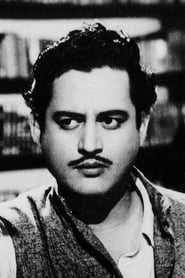
Guru Dutt
Actor & Director
Born: July 9, 1925 in Bangalore, British India (now Bengaluru, India) Died: October 10, 1964 Active: 1944-1964 Birth Name: Vasanth Kumar Shivashankar Padukone
Films
3 films
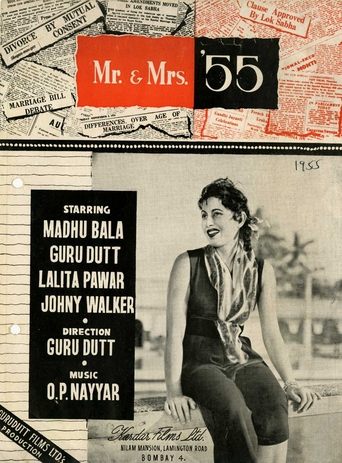
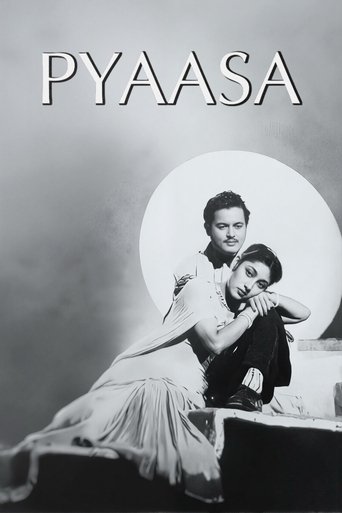
About Guru Dutt
Guru Dutt, born Vasanth Kumar Shivashankar Padukone, was an Indian filmmaker who revolutionized Hindi cinema in the 1950s and early 1960s. He began his career as a choreographer and actor at Prabhat Studios in the 1940s before making his directorial debut with Baazi in 1951, which established the film noir genre in Indian cinema. His artistic vision reached its zenith with masterpieces like Pyaasa (1957) and Kaagaz Ke Phool (1959), which showcased his innovative cinematography, deep social commentary, and melancholic romanticism. As an actor, he portrayed the anguished, sensitive hero with remarkable depth, creating a new archetype of the romantic tragic hero in Indian cinema. His production company Guru Dutt Films produced some of the most critically acclaimed films of the era, though many were commercial failures during his lifetime. Despite his relatively short career, he on Indian cinema with his technical innovations, emotional storytelling, and the introduction of Western cinematic techniques to Indian filmmaking. His tragic death at age 39 cut short a brilliant career that would only receive widespread recognition decades after his passing.
The Craft
On Screen
Guru Dutt revolutionized screen acting in Indian cinema with his naturalistic, understated approach that contrasted sharply with the theatrical style prevalent in his era. He specialized in portraying the sensitive, tortured romantic hero - often a poet, artist, or disillusioned intellectual struggling against societal hypocrisy. His performances were characterized by subtle facial expressions, controlled body language, and an ability to convey deep melancholy through his eyes. Unlike his contemporaries, he avoided melodramatic gestures, instead using restraint and silence to powerful effect, particularly in scenes of emotional turmoil. His signature style included the use of cigarette smoking as a character device and a distinctive slouched posture that became iconic.
Behind the Camera
Guru Dutt's directing style was marked by innovative cinematography, sophisticated visual storytelling, and a unique blend of European art cinema techniques with Indian sensibilities. He pioneered the use of wide-angle lenses, deep focus photography, and dramatic lighting to create atmospheric, visually stunning frames that enhanced the emotional narrative. His films often featured complex compositions, symbolic imagery, and elaborate song sequences that advanced the plot rather than serving as mere entertainment. He was known for his meticulous attention to detail, often spending hours perfecting a single shot, and for giving his actors creative freedom while maintaining strict control over the overall vision. His thematic preoccupations included loneliness, unrequited love, social injustice, and the conflict between artistic integrity and commercial success.
Milestones
- Directorial debut with Baazi (1951) establishing film noir in Indian cinema
- Founded Guru Dutt Films production company in 1955
- Created masterpiece Pyaasa (1957), often ranked among greatest films ever made
- Pioneered technical innovations in Kaagaz Ke Phool (1959) with wide-angle lenses
- Acted in and produced Sahib Bibi aur Ghulam (1962), nominated for Golden Bear
- Introduced Guru Dutt lighting technique that became industry standard
- Mentored numerous actors and technicians who became major figures in Indian cinema
Best Known For
Iconic Roles
Must-See Films
Accolades
Won
- Filmfare Award for Best Actor for Sahib Bibi aur Ghulam (1963)
- Filmfare Award for Best Director for Sahib Bibi aur Ghulam (1963)
- Filmfare Award for Best Film for Sahib Bibi aur Ghulam (1963)
Nominated
Special Recognition
- Included in Time magazine's '100 Best Films' list for Pyaasa
- Kaagaz Ke Phool featured in British Film Institute's top Indian films list
- Posthumously awarded Padma Shri by Government of India (1971)
- Retrospectives at major film festivals including Cannes and Venice
- Multiple stamps issued by India Post featuring his films
- Guru Dutt Film Society established in his memory
- Several books and documentaries made about his life and work
Working Relationships
Worked Often With
Studios
Why They Matter
Impact on Culture
Guru Dutt fundamentally transformed Indian cinema by introducing European cinematic techniques and art film sensibilities to mainstream Bollywood. His films challenged social conventions and addressed themes of alienation, hypocrisy, and the plight of the individual in modern society - topics rarely explored in Indian cinema of his era. He revolutionized film language in India through innovative cinematography, particularly his use of light and shadow, which created a distinctive visual aesthetic that influenced generations of filmmakers. His portrayal of the sensitive, tortured hero created a new archetype in Indian cinema that moved away from the traditional macho protagonist. The songs in his films, particularly those picturized on him, became cultural touchstones that continue to be referenced and remade today. His work bridged the gap between art and commercial cinema, proving that films could be both critically acclaimed and emotionally accessible.
Lasting Legacy
Guru Dutt's legacy has grown exponentially since his death, with many of his films now regarded as timeless classics that continue to influence filmmakers worldwide. Pyaasa and Kaagaz Ke Phool are frequently cited among the greatest films ever made, appearing in numerous international critics' polls and film festival retrospectives. His innovative techniques, particularly the 'Guru Dutt lighting' style, became standard practice in Indian cinema and continue to be studied in film schools. The tragic romantic hero archetype he created has been emulated by countless actors, from Amitabh Bachchan to Shah Rukh Khan. His films have been digitally restored and preserved by international film archives, ensuring their accessibility to new generations. Several books, academic studies, and documentaries have explored his work and life, cementing his status as one of cinema's most important auteurs. The Guru Dutt Award for Excellence in Cinema was established in his honor, recognizing outstanding contributions to Indian filmmaking.
Who They Inspired
Guru Dutt's influence extends far beyond Indian cinema, with directors like Satyajit Ray, Raj Kapoor, and later Mani Ratnam and Sanjay Leela Bhansali acknowledging his impact on their work. International filmmakers including François Truffaut and Martin Scorsese have cited his films as examples of cinematic brilliance. His visual style influenced the entire Indian film industry, particularly in the use of lighting, composition, and the integration of songs into narrative structure. The way he portrayed urban alienation and social critique paved the way for India's parallel cinema movement of the 1970s and 80s. His approach to blending commercial elements with artistic vision inspired generations of filmmakers to maintain creative integrity while working within the studio system. The melancholic romanticism he pioneered continues to appear in contemporary Indian cinema and television, showing the enduring power of his artistic vision.
Off Screen
Guru Dutt's personal life was marked by professional success but personal turmoil, including a troubled marriage to renowned playback singer Geeta Dutt. He had three children - Tarun, Arun, and Nina - though his relationship with them was strained due to his workaholic nature and emotional distance. He suffered from depression and alcoholism, which worsened after the commercial failure of Kaagaz Ke Phool, a film he considered his magnum opus. His death at age 39 was officially ruled as an accidental overdose of sleeping pills and alcohol, though many believe it was suicide. Despite his professional success, he was known for his melancholic disposition and often felt misunderstood by both the industry and audiences.
Education
Attended King George's School in Bangalore, later studied at Uday Shankar's India Cultural Center in Almora where he learned dance and choreography
Family
- Geeta Dutt (1953-1964)
Did You Know?
- Changed his name from Vasanth Kumar to Guru Dutt after a family astrologer suggested it would bring him success
- Started his film career as a telephone operator at a Calcutta studio
- Was a trained dancer and choreographer before becoming an actor and director
- His film Kaagaz Ke Phool was India's first cinemascope film but was a commercial disaster
- Smoked up to four packs of cigarettes daily, which became part of his on-screen persona
- Discovered Waheeda Rehman and launched her career, later making her his muse
- His production company's logo featured a silhouette of himself with a cigarette
- Often worked 18-20 hours daily during film shoots, leading to health problems
- His death occurred exactly nine years after his marriage to Geeta Dutt
- Several of his films were remade in other Indian languages and some inspired Hollywood films
In Their Own Words
Cinema is a reflection of life. I try to capture the truth as I see it.
I make films for myself. If others like them, that's a bonus.
Every frame should tell a story, every shadow should have meaning.
Art must be honest, even if it hurts. Especially if it hurts.
I don't make films to entertain, I make films to make people think.
Frequently Asked Questions
Who was Guru Dutt?
Legendary Indian filmmaker, with credits in this catalog. He is widely regarded as one of cinema's greatest auteurs, known for classics like Pyaasa and Kaagaz Ke Phool that blended artistic innovation with emotional storytelling.
What films is Guru Dutt best known for?
Titles linked here include Pyaasa (1957), Kaagaz Ke Phool (1959).
When was Guru Dutt born and when did he die?
Born July 9, 1925; died October 10, 1964.
What awards did Guru Dutt win?
Guru Dutt won three Filmfare Awards for Sahib Bibi aur Ghulam (1963) - Best Actor, Best Director, and Best Film. He was posthumously awarded the Padma Shri by the Indian government in 1971. His films have received numerous international recognitions and continue to be honored at film festivals worldwide.
What was Guru Dutt's acting and directing style?
Guru Dutt's acting style was naturalistic and restrained, specializing in portraying sensitive, tortured romantic heroes. His directing style featured innovative cinematography, dramatic lighting, and a blend of European art cinema techniques with Indian sensibilities, creating visually stunning frames that enhanced emotional narratives.