Bertram Bracken
Director
Born: December 10, 1879 in San Antonio, Texas, USA Died: November 1, 1962 Active: 1910-1920
Films
1 film
About Bertram Bracken
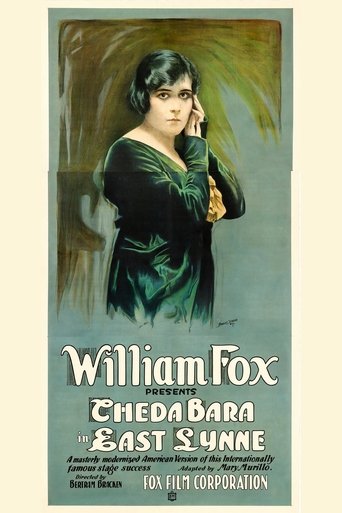
American film director, actor, and screenwriter who worked during the silent film era of the 1910s. Born in San Antonio, Texas in 1879, Bracken began his career in the burgeoning film industry as an actor around 1910, appearing in numerous short films for various production companies. He transitioned to directing around 1915, quickly establishing himself as a capable filmmaker specializing in melodramas and literary adaptations. His most notable directorial work was the 1916 adaptation of 'East Lynne,' the popular Victorian novel by Ellen Wood, which showcased his ability to translate complex literary narratives to the silent screen. Between 1915 and 1917, Bracken directed approximately 15-20 films, many of which he also wrote the screenplays for, demonstrating his versatility as a filmmaker. His career was relatively brief, and like many of his contemporaries from the silent era, his work was largely overshadowed by the coming of sound and the evolution of Hollywood. Bracken spent his later years away from the film industry, passing away in Los Angeles in 1962 at the age of 82, leaving behind a small but significant contribution to early American cinema.
The Craft
Behind the Camera
Bertram Bracken's directing style was typical of the silent era melodrama, emphasizing visual storytelling and emotional expression through actors' performances. He specialized in adapting literary works for the screen, demonstrating an ability to condense complex narratives into the limited timeframe of early feature films. His approach relied heavily on dramatic lighting, expressive acting, and carefully composed shots to convey emotion and advance the plot without dialogue. Like many directors of his time, Bracken utilized intertitles strategically to provide essential dialogue and narrative information, allowing the visual elements to carry the emotional weight of the story.
Milestones
- Transition from actor to director around 1915
- Directed the adaptation of 'East Lynne' (1916)
- Directed approximately 15-20 films between 1915-1917
- Wrote screenplays for many of his directed films
- Worked with major studios including Fox Film Corporation
Best Known For
Must-See Films
Working Relationships
Worked Often With
Studios
Why They Matter
Impact on Culture
Bertram Bracken's cultural impact, while not widely recognized today, represents an important chapter in the development of American cinema during its formative years. As one of the many directors working during the transition from short films to feature-length productions in the 1910s, Bracken contributed to the establishment of narrative filmmaking techniques that would become standard in Hollywood. His adaptation of 'East Lynne' was part of a broader trend of bringing popular literature to the screen, helping to legitimize cinema as a serious artistic medium worthy of literary adaptation. While most of his films are now considered lost, a common fate for silent era productions, his work exemplifies the rapid evolution of filmmaking during this crucial period. Bracken's career trajectory also illustrates the precarious nature of early Hollywood, where many talented filmmakers rose to prominence briefly before fading into obscurity as the industry matured and consolidated.
Lasting Legacy
Bertram Bracken's legacy is primarily preserved through film history archives and the scholarly study of silent cinema. Though his individual films are largely forgotten and most are lost to time, his work serves as an example of the typical filmmaker during Hollywood's transitional period from shorts to features. His adaptation of 'East Lynne' remains his most remembered contribution, representing the popular practice of literary adaptation that helped establish cinema's cultural legitimacy. For film historians and silent cinema enthusiasts, Bracken represents the hundreds of directors who shaped early American film history but whose names have been overshadowed by more famous contemporaries. His career exemplifies both the opportunities and challenges faced by filmmakers during cinema's first two decades, when the industry was still establishing its conventions and business practices.
Who They Inspired
Bertram Bracken's direct influence on subsequent filmmakers appears limited due to the brief duration of his career and the loss of most of his filmography. However, as part of the generation of directors who established the conventions of narrative filmmaking in the 1910s, his work contributed indirectly to the development of Hollywood's classical style. His adaptations of literary works helped demonstrate the potential of cinema as a storytelling medium capable of handling complex narratives, influencing subsequent generations of filmmakers who continued this tradition. The melodramatic techniques and visual storytelling methods employed in his films were representative of approaches that would be refined and expanded upon by more famous directors of the silent and early sound eras. While specific influences on individual filmmakers are difficult to trace, Bracken's work stands as part of the collective foundation upon which classical Hollywood cinema was built.
Off Screen
Bertram Bracken married actress Grace Darmond in 1916, during the height of his directing career. Their marriage coincided with his most productive period as a filmmaker, but the relationship ended in divorce in 1920, around the time his film career was winding down. The dissolution of his marriage appeared to parallel his departure from the film industry, though the exact connection between these events remains unclear. After leaving Hollywood, Bracken largely disappeared from public view, living a relatively private life in California until his death in 1962 at the age of 82. Little is known about his activities during his post-film career years, suggesting he may have intentionally stepped away from the entertainment industry altogether.
Family
- Grace Darmond (1916-1920)
Did You Know?
- Bertram Bracken began his film career as an actor before transitioning to directing
- His most famous film 'East Lynne' (1916) was an adaptation of a popular 1861 novel by Ellen Wood
- Most of Bracken's films are now considered lost, a common fate for silent era productions
- He married actress Grace Darmond during his most productive period as a director
- His directing career lasted only about 5 years, from approximately 1915 to 1920
- Bracken often wrote the screenplays for the films he directed
- He worked with several major studios of the silent era including Fox Film Corporation
- His career ended around the same time his marriage to Grace Darmond ended in divorce
- Like many silent era directors, he was largely forgotten after the transition to sound films
- He lived for 42 years after leaving the film industry, dying in 1962 at age 82
Frequently Asked Questions
Who was Bertram Bracken?
American on YTB.my. He directed approximately 15-20 films between 1915 and 1917, with his most notable work being the 1916 adaptation of 'East Lynne.' His career in Hollywood was relatively brief, lasting about a decade before he disappeared from the film industry.
What films is Bertram Bracken best known for?
Titles linked here include East Lynne (1916), The Heart of a Hero (1916).
When was Bertram Bracken born and when did he die?
Born December 10, 1879; died November 1, 1962.
What awards did Bertram Bracken win?
There are no records of Bertram Bracken receiving any major awards or nominations for his work in film. This was common for many filmmakers during the early silent era, as the Academy Awards were not established until 1929, after his career had already ended.
What was Bertram Bracken's directing style?
Bertram Bracken's directing style was typical of the silent era melodrama, emphasizing visual storytelling and emotional expression. He specialized in adapting literary works for the screen and used dramatic lighting, expressive acting, and carefully composed shots to convey emotion without dialogue. His approach relied heavily on intertitles for essential narrative information while letting visual elements carry the emotional weight.
Did Bertram Bracken have any notable collaborations?
Bracken worked with actress Grace Darmond, whom he married in 1916, and she appeared in several of his films. He also collaborated with actors like George Siegmann and Victoria Forde. Professionally, he worked with major studios of the time including Fox Film Corporation, Universal Film Manufacturing Company, and American Film Company.
Why did Bertram Bracken's career end so early?
The exact reasons for Bracken's early departure from filmmaking are not entirely clear, but his career ended around the same time as his divorce from Grace Darmond in 1920. This timing suggests personal factors may have played a role. Additionally, the film industry was undergoing significant changes in the early 1920s, and many directors from the earlier era struggled to adapt to evolving industry standards and the coming of sound technology.